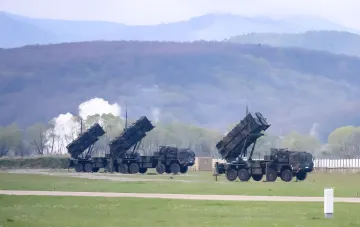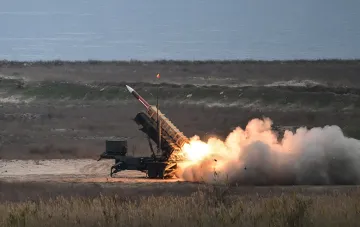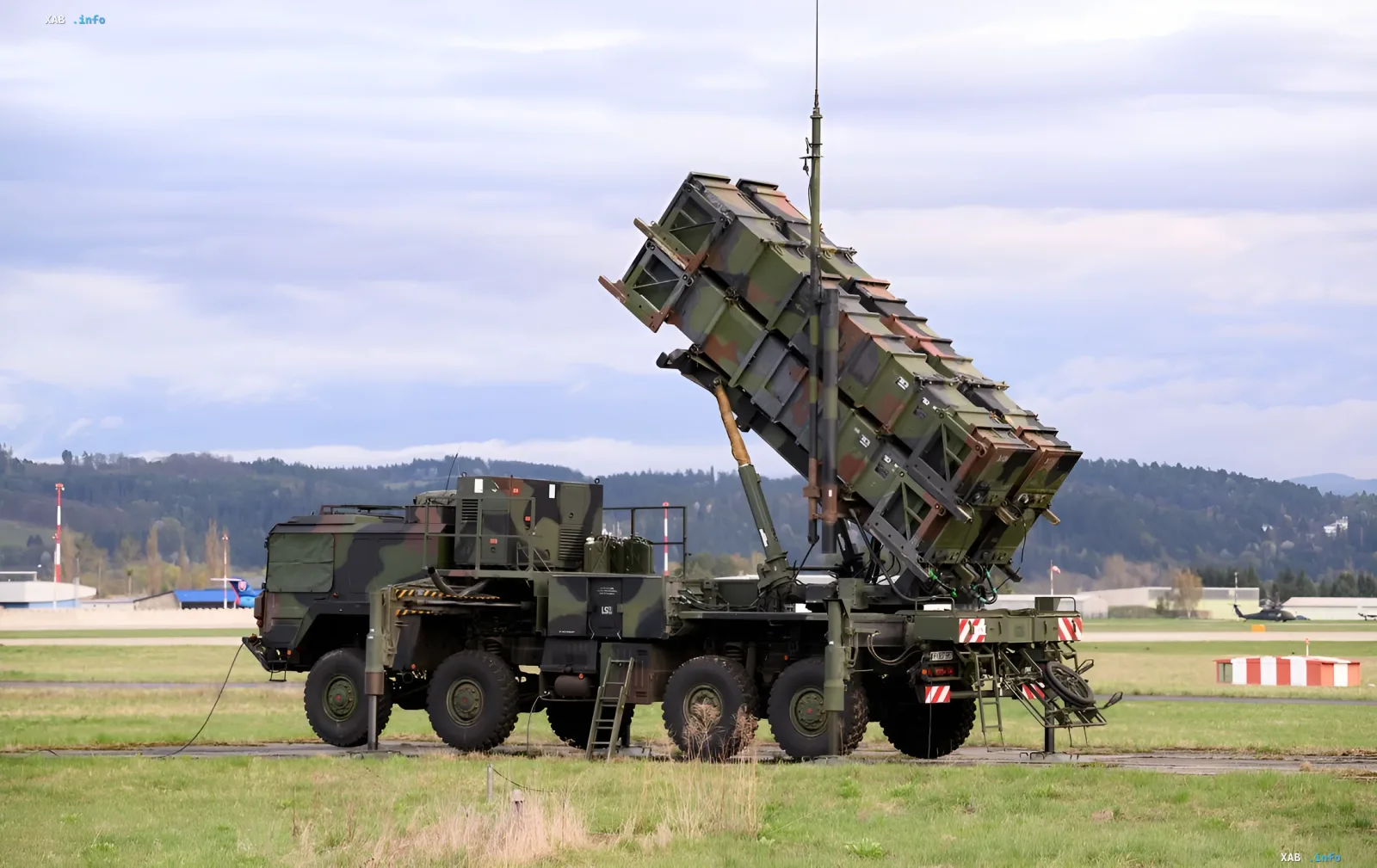
The governments of Greece and Spain have rejected requests to transfer surface-to-air missiles for Patriot air defense systems to Ukraine. This decision was made despite the fact that a significant portion of the ammunition in service with these countries is already approaching its operational lifespan limit or has an expiring shelf life.
Essence of the Request and Athens' Reaction
The Ukrainian side negotiated with Athens regarding the potential transfer of approximately 200 PAC-2 interceptor missiles used by Patriot systems to counter aerial targets. According to the reputable Greek publication Kathimerini, some of these munitions have been in active service with the Hellenic Air Force for about 23 years, meaning the technical limits for their reliable deployment are fast approaching.
Contradictory Data
While official Greek and Spanish sources insist on the necessity of maintaining their own defensive capabilities and their reluctance to part with aging arsenals, specialized experts and Western media diverge in evaluating the expediency of such a move. Some analysts point out that disposing of expired missiles would cost more than deploying them in combat in Ukraine, yet the political leadership of Southern European nations fears weakening its strategic posture amidst regional tensions.
Ukraine's Needs and the US Position
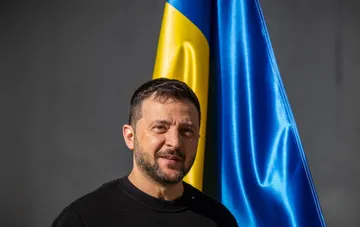
Against the backdrop of ongoing massive strikes on critical infrastructure, the Ukrainian leadership estimates its winter requirement for Patriot interceptor missiles at no less than 300 units. President Volodymyr Zelenskyy previously emphasized that Kyiv is forced to gather scarce munitions literally piece by piece through direct talks with national leaders, as large-scale supplies can only be provided by the United States.
International Context and Military Aid
Meanwhile, Reuters reported earlier that the latest US military assistance package did not include missiles for Patriot air defense systems. Nevertheless, the administration of US President Donald Trump confirmed its intentions to fully disburse the remaining $400 million previously approved by Congress for Ukrainian security needs.