The final match of the 2026 World Cup became a triumph of tactical discipline and team spirit. The Spanish national team secured a convincing victory over the defending champion, Argentina. Expert commentary from Vadim Shevyakin, aired after the game, paints a picture of complete Spanish dominance, which left the opponent with no opportunity to create any attacks.
Tactical defeat of the Argentines
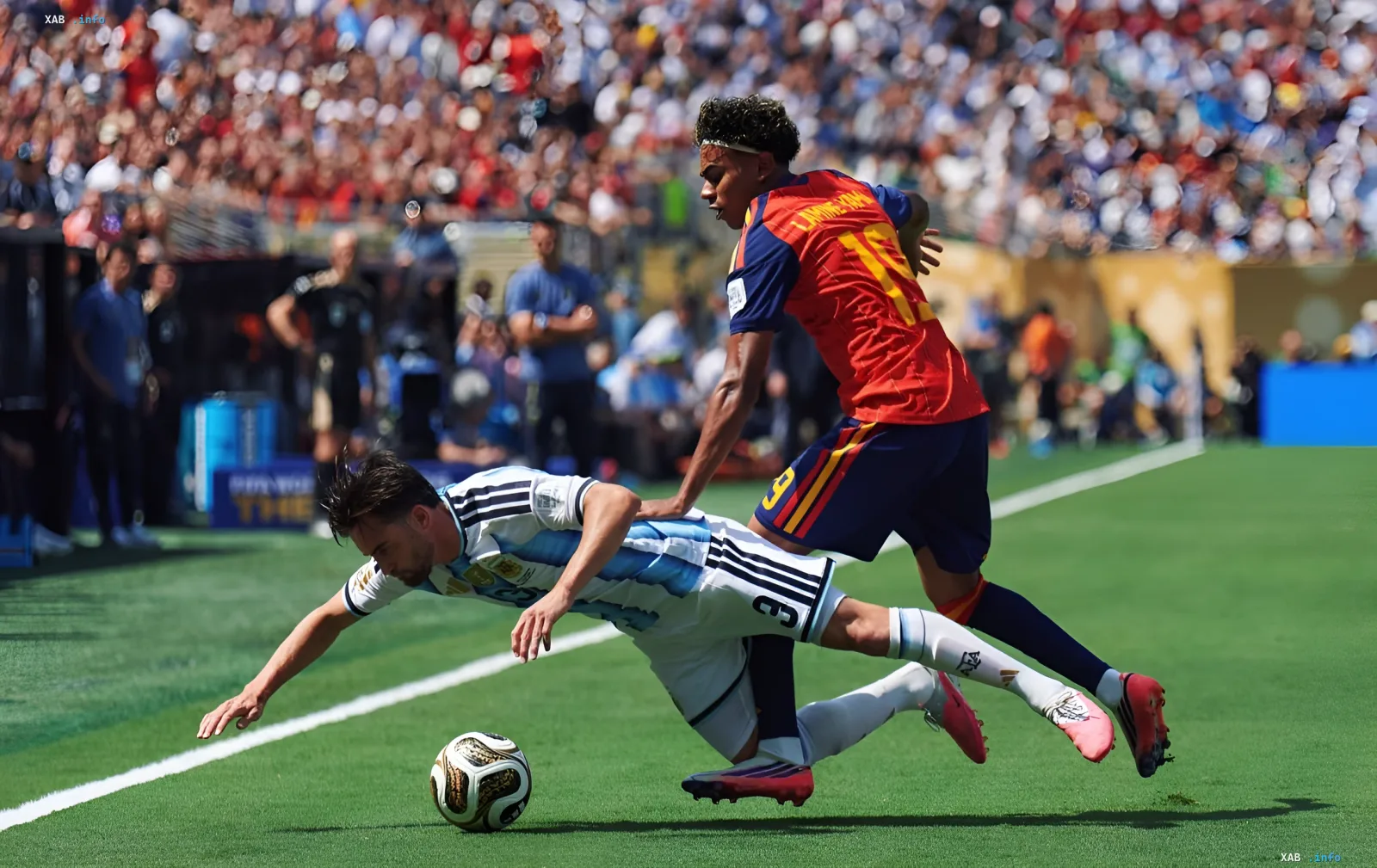
According to Shevyakin, no one anticipated before the match that Argentina would play so uneventfully. The Spanish defense demonstrated reliability comparable to a foundation. In fact, Luis de la Fuente's team completely deprived the opponent of the ball and initiative. In the first half, it seemed that the Argentines would soon find their arguments — be it set-pieces, Lionel Messi's individual skill, or Lautaro Martinez's actions. However, this did not happen.
The situation worsened for the Argentines after the midfielders received yellow cards. First, Leandro Paredes received a warning, and soon after, Enzo Fernandez did as well. The commentator noted that the dismissal of the anchor Paredes immediately after coming on as a substitute appeared to be a critical factor that could undermine control of the game. In the end, Enzo Fernandez could not cope with the load and let the team down at a key moment.
"Smart Bus" and Messi's role
Even in extra time, the pattern of play did not change. Shevyakin emphasizes that Argentina did not play a classic "parking the bus" strategy, holding back 20-30 meters from the goal. It would have been a "smart bus" if they had met the opponent higher up the pitch, as England did in the semi-final. However, this tactic did not work against Spain.
Special attention was paid to the role of Lionel Messi. In the additional 30 minutes, it became obvious that his participation did not bring benefit in terms of the fight. Messi did not press or work back, which was critically necessary when Argentina was reduced to ten men. The expert believes that substituting Messi for Lautaro Martinez could have yielded more efficiency, although it would have deprived the team of hope for a miracle after conceding a goal. Unlike Cristiano Ronaldo, who is already used to substitutions, Messi showed in this match that his scheme stopped working under conditions of tough competition.
The path to victory and match heroes
Spain's victory is called absolutely deserved. A key stage in the preparation for the final was the match against Portugal. It was in this game that the Spaniards faced a serious opponent who was going to win, not just drag out a result. The match against Belgium was also important, but Portugal became the real exam.
The main architect of success is recognized as coach Luis de la Fuente. Before the start of the tournament, he stated that the Spaniards were the main favorites, which coincided with bookmakers' predictions. The team maintained the best team impression it had demonstrated throughout the tournament until the final whistle.
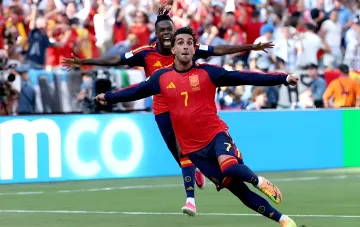
Ferran Torres' epochal goal
Ferran Torres deserves special attention. For a long time, he was criticized for missed chances and mistakes, but in the final, he proved his effectiveness. Shevyakin notes that Torres is not just a finisher, but a player who creates chances. In this regard, he is no weaker than Alvaro Morata, and considering the decisive goal — even stronger. This goal entered history, comparing Torres to Andres Iniesta. Unlike Giuliano Simeone, whose leg faltered in the final minutes, Torres did not let the team down and scored the decisive goal.