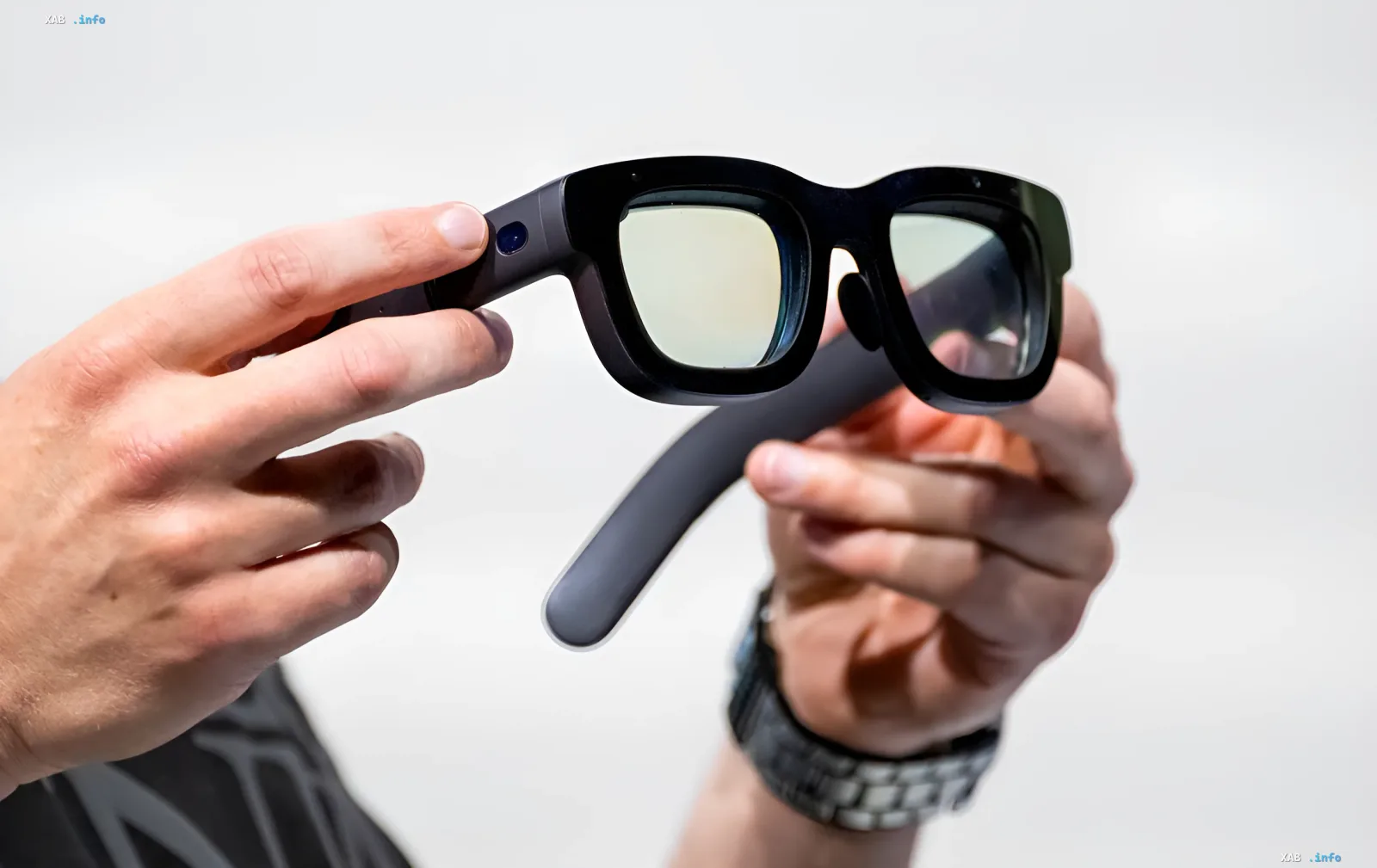
A scandal is unfolding in the tech world, highlighting the blurring lines between consumer electronics and tools of state control. It has emerged that Meta, one of the world's largest tech giants, utilized facial recognition software from Rank One Computing. This startup, which recently went public on the Nasdaq, is a direct supplier of surveillance systems to the US Department of Defense, the FBI, and the CIA.
An investigation conducted by Wired magazine and published by RBC-Ukraine revealed that the integration of military software into consumer gadgets was deeper than previously assumed. Approximately 80% of Rank One Computing's revenue comes from US government contracts. Their technology is already used by the US Marshals Service to identify inmates without fingerprinting, as well as by the Naval Criminal Investigative Service (NCIS).
Military algorithms in a smartphone
Particularly alarming is the fact that Meta licensed a system capable of identifying a person's face from a distance of up to one kilometer. This technology was developed under a contract with the US Special Operations Command. The license allowed Meta to use these military algorithms in conjunction with a "liveness detection" system, which distinguishes a real person from a photograph or a mask.
The database available under this license was designed to support up to 10 million digital face templates. Journalists, analyzing the code of the Meta AI app — a companion for Ray-Ban smart glasses — discovered that elements of Rank One software integration had been present in app releases for a long time. It was downloaded onto more than 50 million smartphones of ordinary users. The software modules were in sleep mode, waiting for activation.
Meta's internal facial recognition system was codenamed NameTag. However, the general public never got a chance to use this functionality. On June 5, 2026, Meta completely removed all spy code from the application.
Ties to intelligence agencies and accuracy issues
Representatives of the tech corporation refused to answer journalists' questions regarding the details of the cooperation with Rank One, the contract terms, and the reasons for licensing military software. Rank One's management also declined to comment. However, the company's governance structure raises questions: its leadership consists of former high-ranking employees of US intelligence agencies. CEO Scott Swann previously headed the FBI's biometric division, while the board of directors includes the former CIA Deputy Director for Science and Technology and the former head of the FBI's Laboratory Division.
An additional risk factor is that Rank One's algorithms demonstrated inconsistent accuracy during tests by the US National Institute of Standards and Technology (NIST). The system produced erroneous results depending on the person's gender and country of origin: it performed best on people born in Eastern Europe, while the error rate rose sharply when identifying women.
Privacy experts are sounding the alarm: this case demonstrates how thin the line has become between tools of total surveillance and gadgets sold in any electronics store. Analysts warn that the uncontrolled integration of powerful military AI technologies into everyday accessories could lead to unpredictable and dangerous consequences for societal privacy.


