
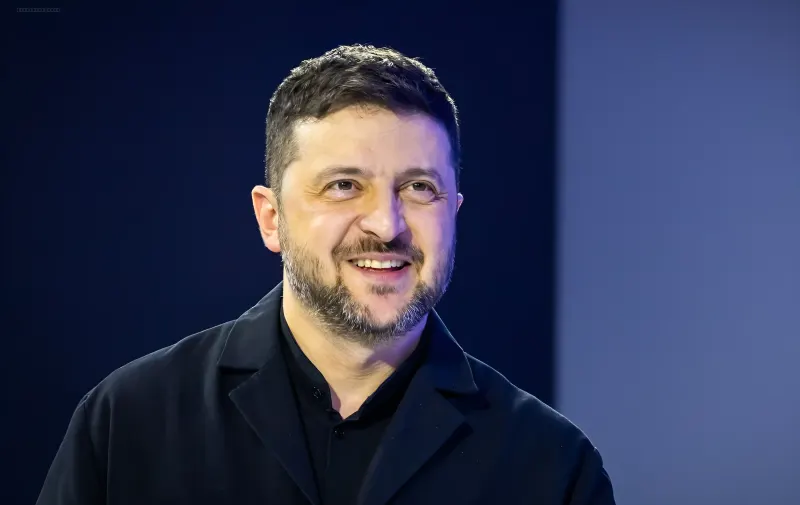
The situation on the contact line has undergone significant changes. Ukrainian President Volodymyr Zelenskyy confirmed that Ukrainian positions have become significantly more stable. According to him, this is not a coincidence but the result of systematic work and the implementation of new tactics in conducting military operations.
Technology as a Decisive Factor
A key element of success has been the combination of the human factor and advanced technologies. The President emphasized that the stability of the front relies on the courage of soldiers, but without the support of modern tools, this would have been impossible. The active use of unmanned aerial vehicles (drones) has allowed for a turning point in local battles, providing reconnaissance and precise strikes.
Special attention has been paid to so-called "mid-range strikes" — medium-range attacks on enemy logistical hubs. It is precisely the destruction of supply chains and strikes on the rear that force the enemy to retreat or switch to passive defense.
Enemy Recognition
Zelenskyy noted a paradoxical moment: the effectiveness of Ukrainian defense is acknowledged even by Russian propagandists and so-called "war correspondents." Their reports indirectly confirm that the enemy's offensive momentum has been blunted, and the Ukrainian army is successfully holding the lines.
Despite the stabilization, the President warned against complacency. Combat operations remain extremely intense, and every day requires the mobilization of all resources. However, the dynamics of the current year demonstrate clear progress compared to previous periods.
Air Defense Challenges and New Threats
In addition to the ground situation, the head of state raised the issue of a global shortage of air defense systems. Due to the escalation of the conflict with Iran, there is an acute shortage of anti-aircraft missiles needed for protection against strikes worldwide. Ukraine is striving to accelerate cooperation with European partners to fill these gaps and ensure a reliable shield over its cities.
The domestic political context also requires attention. The head of the "Servant of the People" faction, David Arakhamia, identified the next six months as a period of maximum concentration of efforts. The state must solve a number of priority tasks to maintain the functionality of all institutions under wartime conditions.


