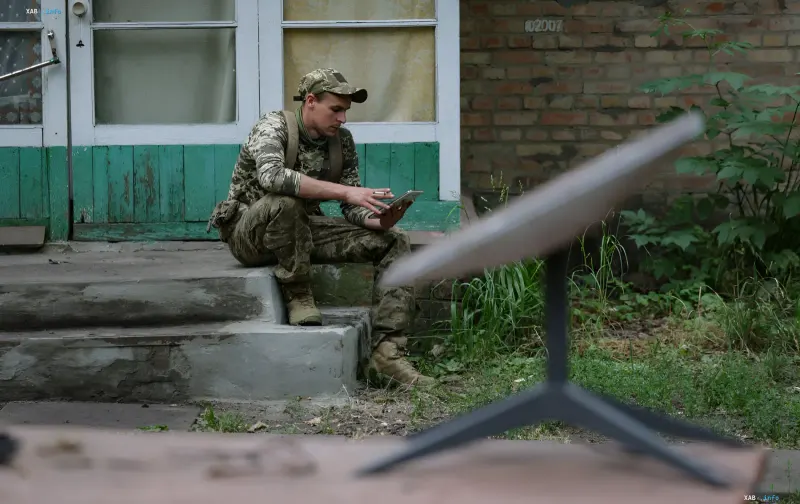
On the night of October 14, 2026, Ukrainian military units faced sudden restrictions in the operation of Starshield terminals—a military satellite communications package based on Starlink used on mobile platforms. The formal speed limit after which the connection dropped was around 160 km/h. However, according to RBC-Ukraine sources within the Defense Forces, the signal began to disappear in some units already at speeds of 60–80 km/h. By the evening of the same day, the connection was partially restored: the terminals again began operating at speeds up to approximately 160 km/h, but the speed restriction remained in place. As of October 19, according to publication sources, negotiations to resume the full operation of Starshield are ongoing in Ukraine.
Chronology of Failures and Initial Explanations
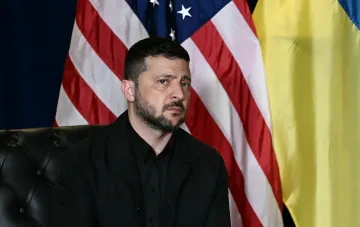
The first reports of problems arrived on the night of October 14. The Ukrainian side contacted SpaceX to inquire about the reasons for the restrictions. The company initially explained the situation as a 'technical glitch,' but RBC-Ukraine sources treated this version with skepticism, pointing to the systemic nature of the failure and its simultaneity across several units at once. On the evening of October 14, the connection partially resumed, but with the speed threshold preserved. On October 17, Ukrainian President Volodymyr Zelenskyy publicly confirmed that Starlink terminals in Ukraine disconnect upon reaching a speed of 161 km/h, whereas testing of similar devices in EU countries showed they continued to work at higher speeds—up to 180 km/h, according to him.
Impact on Drone Operations
According to the publication's sources in the Defense Forces, Starlink restrictions most severely affect two areas of unmanned systems deployment. The first is interceptor drones, which Ukraine is scaling up to counter Russian Geran-4 and Geran-5 jet-powered drones, which since late August 2026 have become one of the main tools for nearly round-the-clock strikes on Kyiv and the Kyiv region. The second area is so-called middle-strike missions, meaning medium-depth drone strikes. The consequences of the restrictions are mixed: for some systems, the established speed threshold is not critical, while for others it significantly complicates tasks. 'Carrying out some missions becomes harder, and some Ukrainian drones become more vulnerable targets. However, we adapt to everything,' one of RBC-Ukraine's interlocutors stated.
Public Statements and Conflicting Versions
The situation was accompanied by contradictory public statements. According to the British newspaper The Telegraph, Elon Musk proposed to US President Donald Trump that the operational speed of military Starlink terminals for Ukraine be restricted, and Trump agreed. There has been no unequivocal public confirmation of this version from either SpaceX or the White House. On October 18, US Treasury Secretary Scott Bessent rejected accusations against the US authorities in an interview, stating that the Trump administration did not restrict Starlink's operation and criticized Zelenskyy for such claims. The Ukrainian side had previously called the restriction of Starlink's operation 'a planned operation.'
Negotiations and Prospects
According to RBC-Ukraine sources, negotiations are currently underway in Ukraine to resume full operation of Starshield without artificial speed limits. Sources assess the prospects of agreements optimistically, but no concrete results or timelines had been reported as of October 19, 2026. The speed limit around 160 km/h, according to the Defense Forces, remains in effect, and in some cases, the connection drops at even lower speeds, creating operational difficulties for units using satellite communications on mobile platforms.