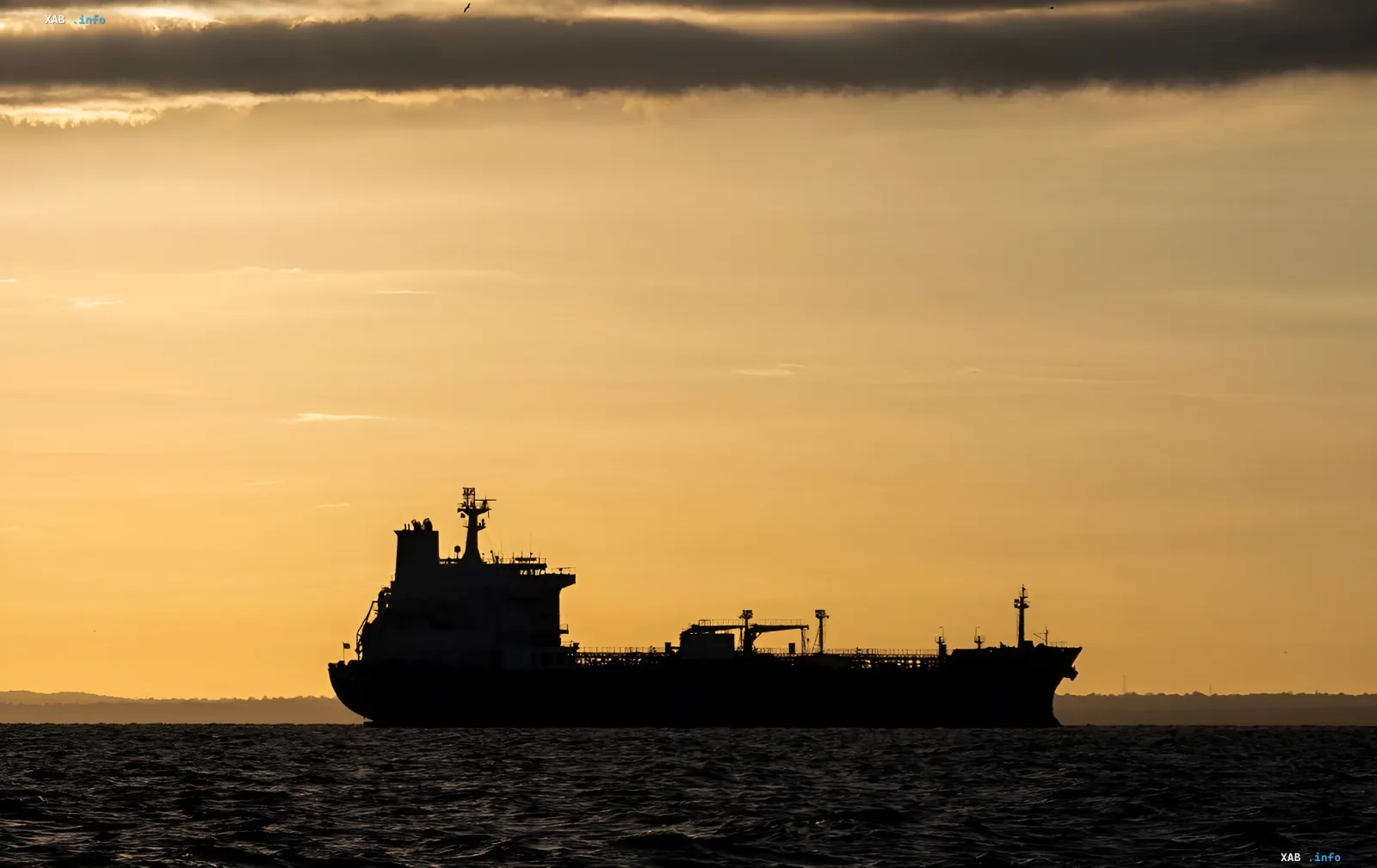
The situation in the Strait of Hormuz, one of the world's key maritime routes, has reached a critical point. Against the backdrop of renewed US airstrikes, Iran has officially declared the strait closed to all types of vessels. This decision, made by the Islamic Revolutionary Guard Corps (IRGC), threatens global logistics and oil supplies.
Tehran's Ultimatum
Iranian military officials did not resort to ambiguous wording. The IRGC announced that the strait is blocked for all commercial, oil, and other ships. Any vessel attempting to violate this ban will be considered a legitimate target for attack.
"Are you threatening the security of the sacred Strait of Hormuz? We will turn this region into hell for you from all of Iran," said Sayyed Hossein Musavi Eftekhari, commander of the IRGC Aerospace Forces. His words sounded like a direct response to the escalation of violence by the United States.
The American Version: "Route Open"
In Washington, there is categorical disagreement with Tehran's assessment of the situation. US Central Command denied claims of the route being blocked, asserting that commercial vessels continue to pass freely through the Strait of Hormuz. According to the Pentagon, shipping has not been interrupted despite the tense rhetoric from the Iranian side.
However, Iranian state media paint a different picture. They report armed clashes between the armies of both countries directly in the strait and claim that two ships have been hit. The US side denies this information, noting that none of their military vessels have been damaged.
Timeline of Escalation
The current crisis has flared up against a backdrop of mutual accusations and military actions that began back in early June:
- June 9: US President Donald Trump stated that Iranian forces shot down an American AH-64 military helicopter in the area of the Strait of Hormuz. In response, he threatened Tehran with new strikes.
- Night of June 10: American troops attacked Iranian air defense systems, ground command posts, and other military facilities. Iran reported counter-strikes against US targets in the Middle East.
- Subsequent days: Trump accused Iran of dragging out the negotiation process, stating that the country would have to "pay" for it. He also warned of the preparation of another strike.
New Wave of Attacks
Last evening, American media reported on a meeting at the White House Situation Room where a possible resumption of attacks was discussed. Among the options considered was a large-scale but short-term operation intended to influence Iran's position in negotiations.
Pentagon Chief Pete Hegseth confirmed that the US could launch a new strike as early as tonight or within 24 hours. The forecast came true: on the night of June 11, American troops resumed bombing Iran, which became the trigger for the announcement closing the Strait of Hormuz.


