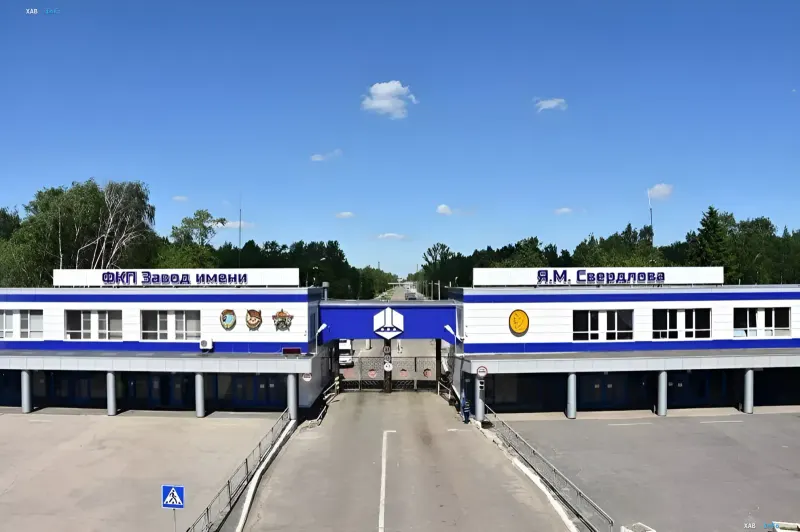
On August 19, 2026, Dzerzhinsk in the Nizhny Novgorod region became the target of a massive drone attack. According to monitoring groups and OSINT analysts, the epicenter of the explosions was localized on the territory of the State Unitary Enterprise (SUE) "Sverdlov Plant". This event is critical for understanding the current dynamics of the military conflict and the state of the Russian defense industry. A strike on an object located in the deep rear demonstrates a change in combat tactics and a shift in focus towards destabilizing rear production capacities.
Historical context and infrastructural significance of the object
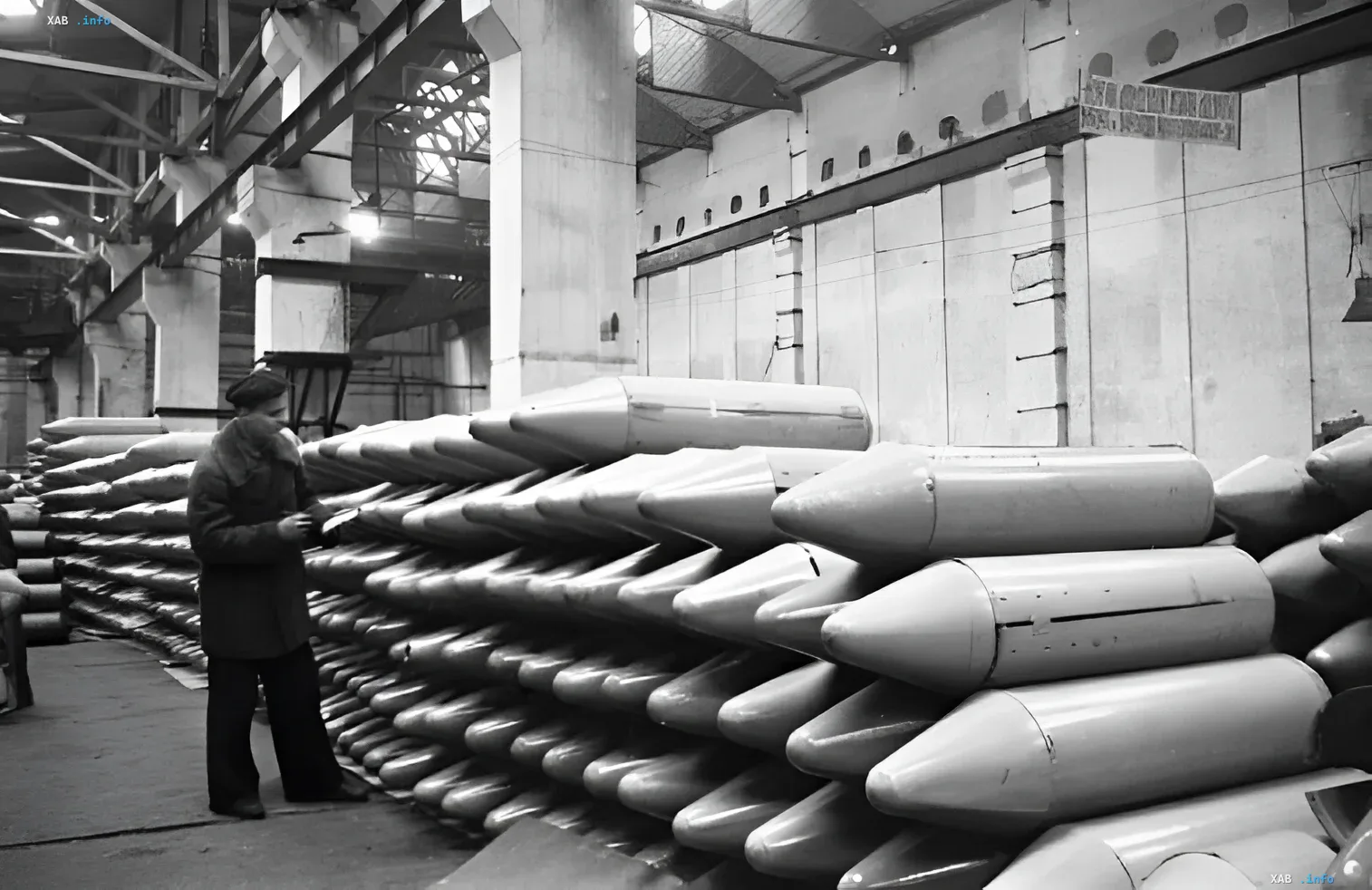
Founded in 1916 as the Nizhny Novgorod Explosives Plant, the enterprise is one of the oldest and most closed objects in Russia. The plant's territory, covering about 1,100 hectares, represents an isolated industrial zone with its own energy infrastructure, including a combined heat and power plant (CHP), and an extensive railway network. Such a structure allows the enterprise to function autonomously, which historically ensured its resilience to external factors.
The plant's location, 760 kilometers from the state border of Ukraine, was long considered a security factor. However, attacks carried out in April and August 2026 confirm the effectiveness of modern long-range UAV technologies capable of covering significant distances and delivering pinpoint strikes on strategic targets deep within enemy territory.
Product range and role in the defense industry
SUE "Sverdlov Plant" plays a key role in supplying the Russian Armed Forces with ammunition. The enterprise is the only producer of octogen and hexogen in the country — high-energy explosives necessary for equipping warheads for missiles and aerial bombs. In addition, TNT is produced here, and final assembly of munitions for the "Iskander" operational-tactical missile systems is carried out.
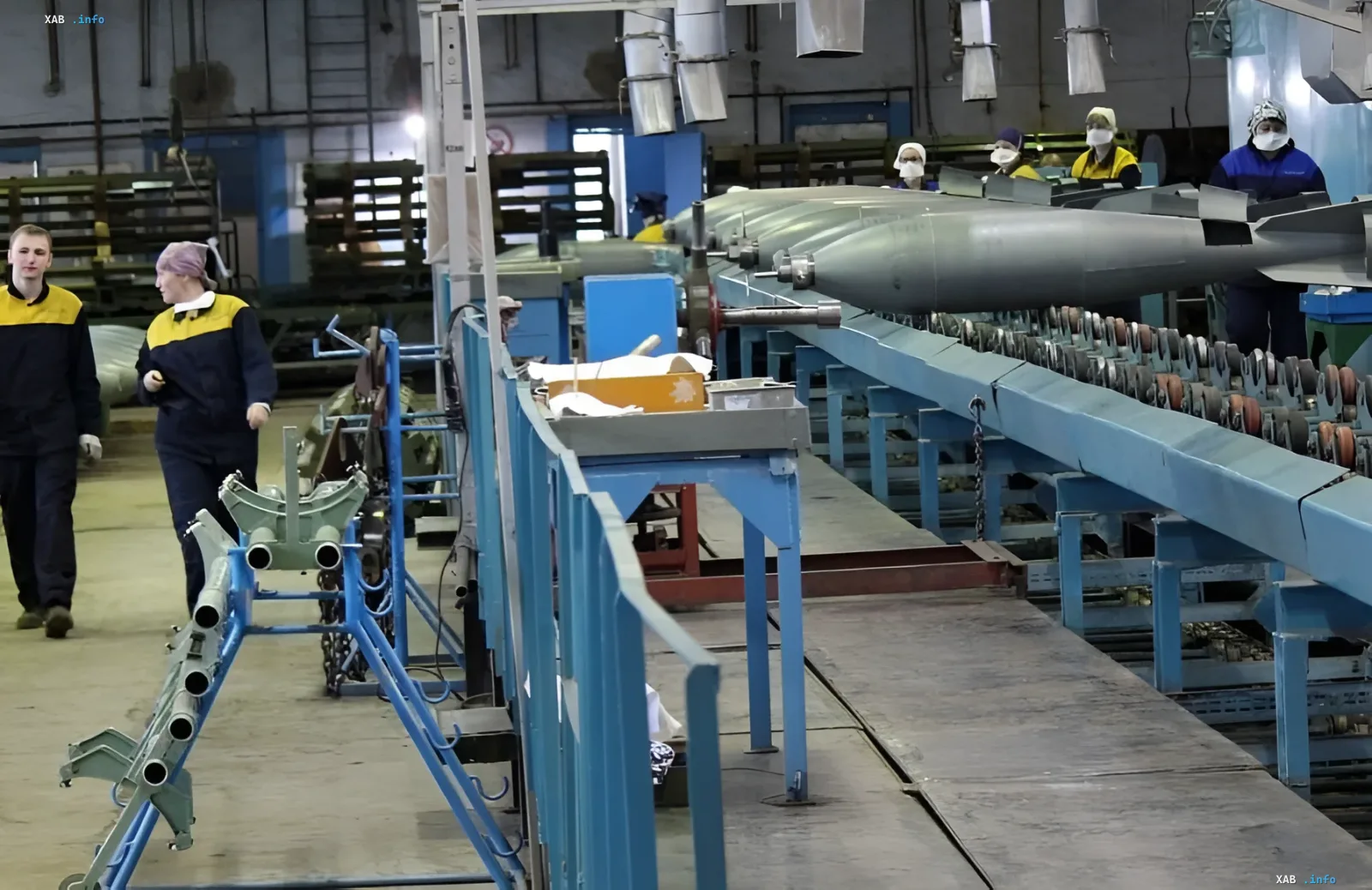
Special attention should be paid to the production of high-explosive aerial bombs FAB-500T and FAB-1500, which are equipped with universal glide and correction modules (UMPK/UMPB). These munitions are widely used in current hostilities to strike enemy infrastructure and fortifications. The plant also ensures the production of 152-mm artillery shells, which form the basis of artillery armament on the front.
Sanctions status and economic consequences
Due to its direct involvement in the production of weapons used in the conflict, the plant has been included in all major international sanctions lists, including those of the EU, USA, UK, Japan, and Switzerland. This limits the enterprise's access to Western technologies and financial resources. However, the status of a state-owned enterprise allows it to receive direct funding from the Russian budget, which compensates for some of the restrictions imposed by sanctions.
Physical damage to production facilities as a result of attacks may lead to a temporary reduction in production volumes. This, in turn, could create a shortage of ammunition on the front line and affect the operational capabilities of the Russian Armed Forces. Long-term consequences of such strikes include the need to revise strategies for protecting critical infrastructure and finding alternative production sites.
Civilian products and dual-use nature
Despite the priority of defense production, the plant maintains a line of civilian products. These include industrial explosives used in the mining industry, oil and gas extraction, and infrastructure construction. These materials are necessary for conducting blasting operations in quarries, mines, and shafts, as well as for perforating wells in the oil and gas industry.
Contradictory data
There are discrepancies in open sources regarding the scale of damage inflicted on the plant as a result of the August 19 attack. Some sources report significant smoke and damage to several workshops, while others indicate local fires without critical consequences for production facilities. Official data from Russian authorities on the state of the plant are currently unavailable, making it difficult to accurately assess the situation.
There are also discrepancies in information about the time and nature of the attack. Some sources claim the strike was delivered at night, while others point to the morning hours. These contradictions require further fact-checking and analysis of additional data.