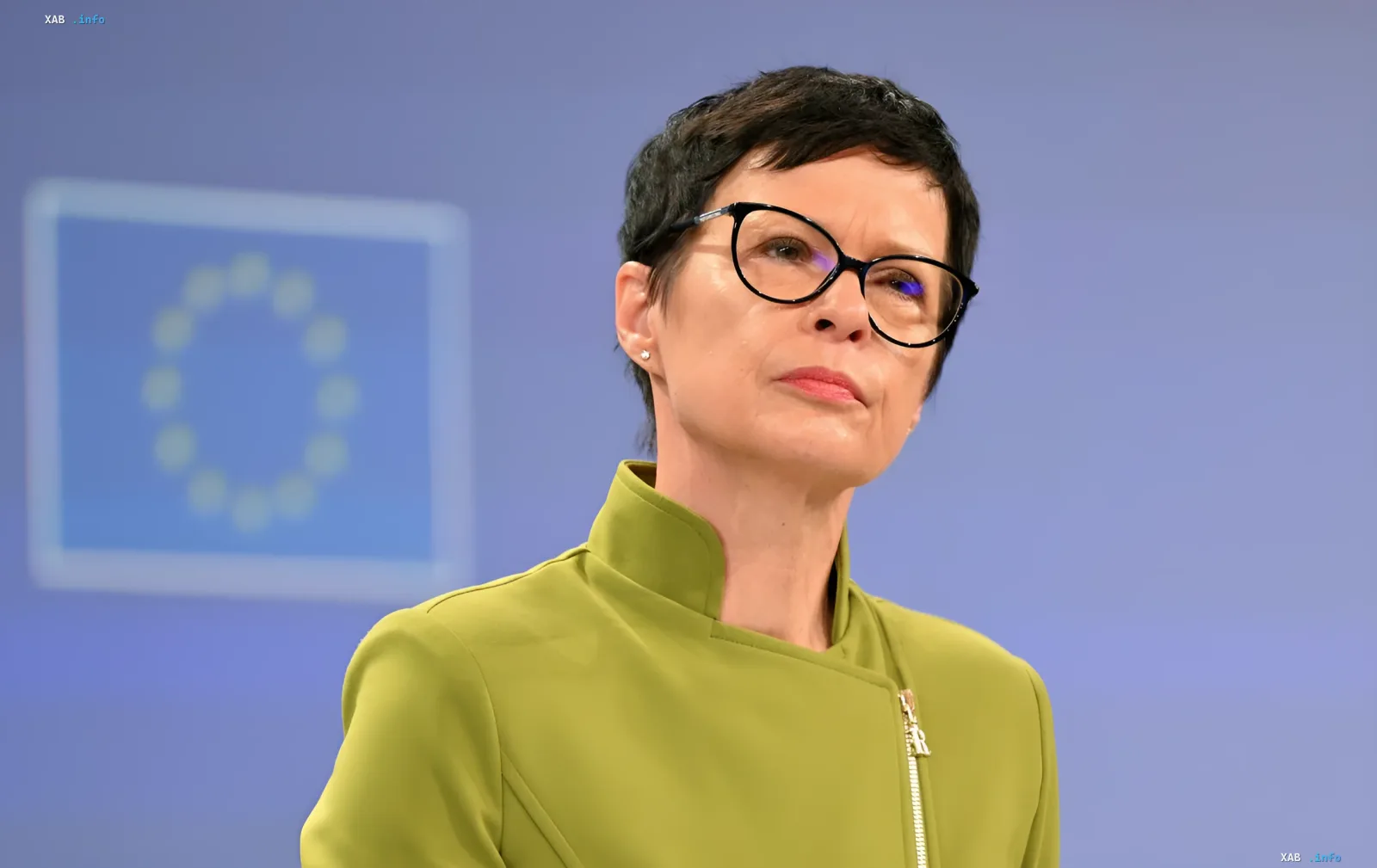
The European Union is beginning to develop fundamentally new rules of the game for future members. On the eve of negotiations with Ukraine and Moldova, Brussels intends to introduce mechanisms that will prevent new partners from backing away from reforms or blocking key decisions after joining the bloc. This was stated by Enlargement Commissioner Marta Kos in an interview with Politico.
Lessons from the past: the Hungarian experience
The initiative to tighten control over new members is driven by specific historical precedents. The basis for developing new tools was the lessons learned from the experience of Hungary. During Viktor Orbán's leadership, Budapest systematically blocked consensus on sanctions against Russia and delayed the adoption of measures to support Ukraine.
In response to breaches of democratic and judicial commitments, the EU was forced to freeze more than 10 billion euros in funds intended for Hungary. It is precisely this scenario, where membership is used as a tool for sabotage, that Brussels aims to exclude in the future.
How the new mechanisms will work
Behind the scenes of the foreign ministers' meeting in Luxembourg, Marta Kos revealed details of the planned system. According to her, the European Commission already has ideas for strengthening institutions, including safeguard mechanisms and transitional periods before granting the full scope of membership rights.
"If a new member state complies with the rules — nothing will happen. If not — the safeguard mechanisms will kick in hard. This is the system we are building," the European Commissioner emphasized.
Among the measures under discussion is the possibility of temporarily limiting the veto right for new members to prevent the blocking of important decisions at the start of integration. The Guardian previously reported on this possibility.
Montenegro as a testing ground
France, Germany, and the Netherlands insist that any enlargement must be accompanied by guarantees for the preservation of reforms and the protection of the balance of power within the bloc. The first example of implementing this concept will be the accession agreement with Montenegro.
This candidate country is the first to have approached membership since Croatia in 2013. The agreement with Podgorica will, for the first time, enshrine mechanisms guaranteeing compliance with the rules five, ten, and fifteen years after official accession. This document will serve as a model for future enlargements, including Ukraine and Moldova.
Discussion on Ukraine's status
Parallel to the development of legal mechanisms, discussions continue regarding the format of Ukraine's integration. German Chancellor Friedrich Merz previously proposed the idea of "associate membership" as an intermediate step.
However, Kyiv rejected this initiative. President Volodymyr Zelenskyy and the Ukrainian leadership insist on full and equal membership in the EU without any intermediate statuses that could infringe upon the rights of the candidate country.


