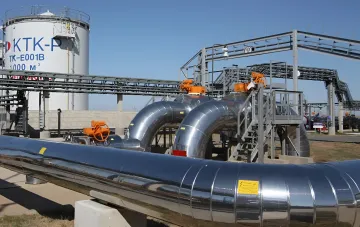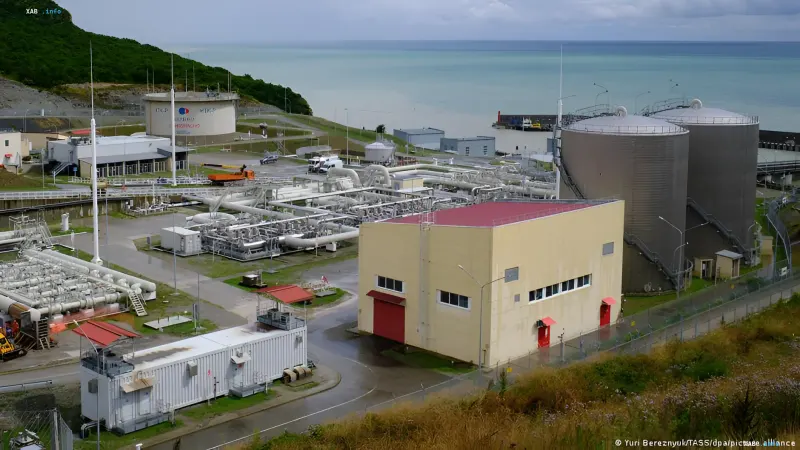
Kazakhstan's energy sector is facing a serious crisis: oil production in the country has been cut in half. The cause was a drone attack on a key export hub — the Caspian Pipeline Consortium (CPC) terminal in the Black Sea. This event, occurring against the backdrop of an ongoing conflict, has paralyzed the main route for supplying Kazakhstani raw materials to Europe.
Sharp decline in production figures
According to data obtained by Reuters from market participants, the consequences of the strike were immediate and large-scale. The total volume of oil and gas condensate production in Kazakhstan dropped to 1.63 million barrels per day. For comparison: the average figure for July was 2.07 million barrels.
The most critical situation arose at the country's largest field — Tengiz, which belongs to the American giant Chevron. According to the agency's sources, production at this giant decreased by more than two times: from 925 thousand barrels per day to 406 thousand. The sharp decline in production is linked to the inability to transport raw materials due to the closure of the terminal.
Details of the attack on infrastructure
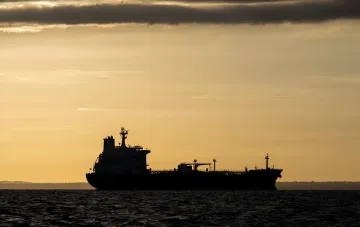
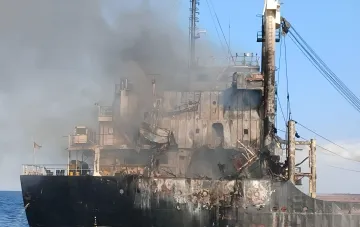
The direct cause of the disruptions was an attack carried out on July 19. The targets of the drones were two tankers carrying Kazakhstani oil: the vessel Asia under the flag of Liberia and Nissos Ios under the flag of the Marshall Islands. The incident occurred in the waters of the Black Sea, where the consortium's marine terminal is based.
Representatives of CPC confirmed the fact of the attack, noting that this is already the fifth strike on the organization's facilities. In recent years, the pipeline infrastructure, as well as tankers in the Black and Azov Seas, have repeatedly become targets. Experts link these attacks to suspicions that the ships belong to Russia's so-called "shadow fleet".
Geopolitical context and project participants
The Caspian Pipeline Consortium represents a complex international project involving companies from Russia, Kazakhstan, the USA, and several European countries. Through the CPC system, Kazakhstani oil has traditionally been supplied to Europe in transit through Russian territory. At the same time, according to data on the consortium's website, raw materials from Russian producers also enter the system.
The situation with the blockade of the terminal clearly demonstrates the vulnerability of export routes in the conditions of a military conflict. Closing the main sales channel not only hits Kazakhstan's economy but also creates risks for the global market, which depends on uninterrupted raw material supplies from the region.