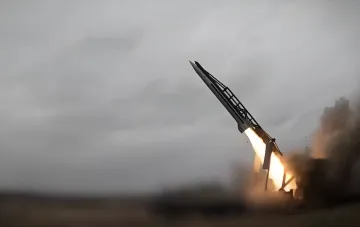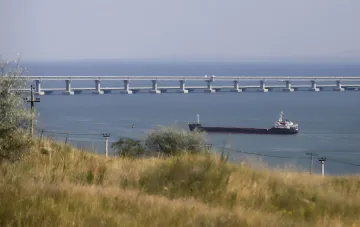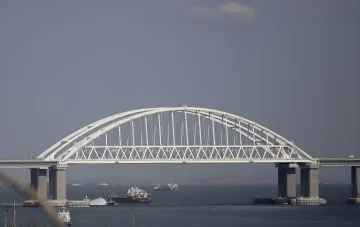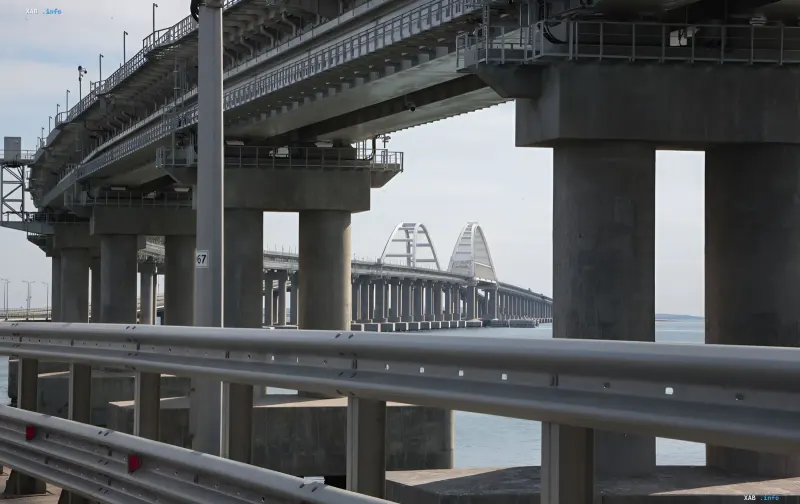
On the night of November 17, repeated explosions were recorded in the Kerch Strait area, and OSINT channels reported that a section of the road span and the arch of the Crimean Bridge had fallen into the water. This occurred following the first attack on November 16, which resulted in satellite imagery documenting damage to the road surface at several points and deformation of the arched structure. President Volodymyr Zelenskyy publicly confirmed the strike, listing the types of weapons deployed: FP-5 "Flamingo," R-360 "Neptune," "Palyanytsya," "Ruta," and FP-1. Thus, within two days, the bridge connecting the Russian mainland with Crimea was subjected to two consecutive strikes, each carried out using various means of destruction.
Why now: the intersection of four windows
Political analyst Oleg Sahakyan in the RBC-Ukraine podcast "TSE BAZA" provided a detailed analysis of the chronology and explained why the operation was implemented specifically on these dates. According to him, a key factor was that Russia itself broke the balance by striking Ukrainian bridges. "If Ukraine had done this without Russian strikes on Ukrainian bridges, Washington would already be reaching for the 'valium,' screaming that Ukraine is escalating and disrupting the negotiation process. Putin would have appealed to Trump, saying we are 'insane'—and everything else," Sahakyan stated. As a result, in his assessment, no world capital will accuse Kyiv of sabotaging the negotiation process, and any attempts by Moscow to portray Ukraine as "incapable of negotiation" will look counterproductive for Russia itself.
Geopolitical and military context
Sahakyan emphasized that for the operation to be implemented, four windows coincided simultaneously: political, military, geopolitical, and technical. The political window opened after the Russian Federation itself turned to striking infrastructure, stripping itself of the moral right to accuse Kyiv of escalation. The military window is linked to the fact that the Ukrainian defense forces had a sufficient arsenal of various types of weapons to conduct a combined strike. The geopolitical window is defined by the fact that the international community, in its current configuration, is not prepared to publicly condemn Kyiv's actions. The technical window, according to the political analyst, includes weather conditions, the state of air defenses in the strait area, and the readiness of specific weapons systems.
De facto blockade and the shutdown of shipping
As a result of the two attacks, Sahakyan stated that a situation of "de facto military blockade of Crimea" has formed. The damaged road bridge, in his assessment, cannot be used for its intended purpose: "It has ceased to be a bridge. As of today, it is the most expensive pier in Russia, leading nowhere from both sides." In addition to the cessation of road traffic, the political analyst noted that the strike has shut down shipping in the Kerch Strait area. He called this a "bonus" of the operation and suggested that while technically Russian specialists might be able to pull away the wreckage, in the short term, the logistics corridor between the mainland and the peninsula is paralyzed.
Chronology and confirmed facts
On November 16, the Crimean Bridge was hit by the first attack. Satellite photographs released to the public documented damage to the road surface at several points and deformation of the arch structure. On the night of November 17, explosions occurred again in the Kerch Strait area. OSINT publics reported that a section of the road span and the arch had fallen into the water. Volodymyr Zelenskyy confirmed that the Defense Forces of Ukraine struck the Crimean Bridge using several types of weapons: FP-5 "Flamingo," R-360 "Neptune," "Palyanytsya," "Ruta," and FP-1. The use of such a wide range of assets—from anti-ship missiles to unmanned systems—indicates a combined tactic aimed at overcoming the multi-layered air and missile defense in the strait area.
What's next
Currently, the assessment of the full extent of the damage is ongoing. The Russian side, as a rule, in such cases limits itself to statements about "sabotage attempts" and promises to "restore the facility as soon as possible." However, as Sahakyan notes, even in the event of partial restoration of road traffic, the bridge remains a strategically vulnerable target, and the shutdown of shipping in the Kerch Strait creates additional logistical and economic problems for Crimea. The full picture of the operation's consequences and the next steps of both sides will become clearer in the coming hours and days.