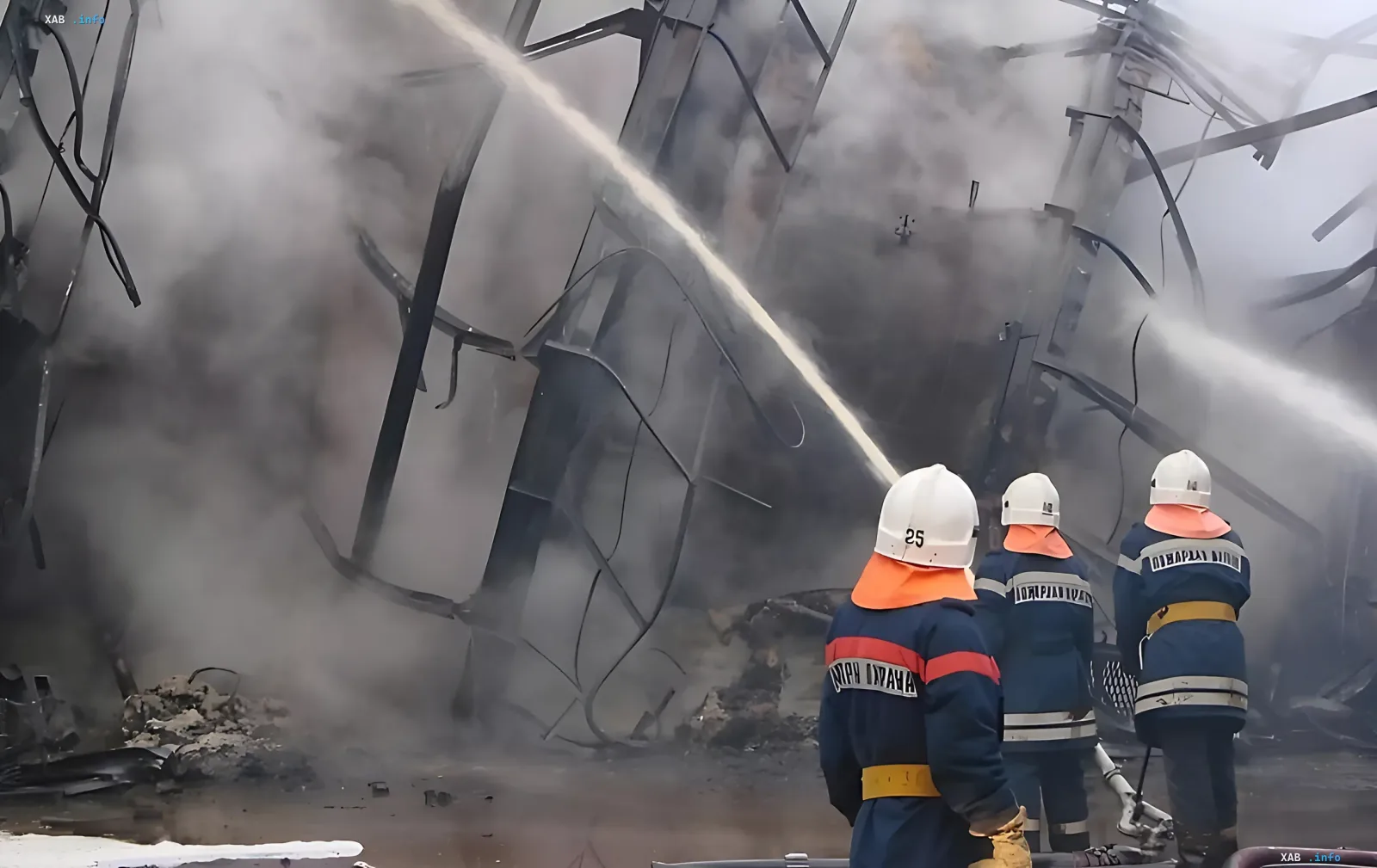
An incident in the Nizhny Novgorod region has dealt a serious blow to Russia's oil refining industry. One of the country's largest plants — NORSI — was forced to halt operations following an attack by a Ukrainian drone. The accident affected key production capacities, which has already impacted the energy market.
Scale of Damage and Production Shutdown
According to industry insiders, the strike on the plant's territory damaged the CDU-5 primary processing unit. This is a critically important node with a capacity of 12,000 tons per day. The loss of this unit's operation means a reduction in the plant's overall output by approximately a quarter.
Despite the severity of the damage, sources note that the plant can use reserve capacities and other units to resume oil refining in the near future. However, a complete shutdown, even for a short period, can trigger a chain reaction in logistics and fuel supplies.
Human Casualties and Government Response
Gleb Nikitin, the Governor of the Nizhny Novgorod region, confirmed the attack in his Telegram channel. According to him, the industrial facility was damaged by drone debris. The tragedy claimed two lives. In his message, the regional head did not specify the name of the enterprise, however, sources link the incident specifically to the NORSI plant located near the city of Kstovo.
Market Consequences: Trading Suspension and Shortages
The economic consequences of the strike were immediate. The St. Petersburg International Mercantile Exchange (SPIMEX) was forced to suspend the sale of diesel fuel and gasoline produced at NORSI. This decision was a reaction to the sharp reduction in market supply.
The plant, owned by Lukoil, is a strategically important asset. Annually, it processes about 15 million tons of crude oil, producing:
- About 5 million tons of gasoline;
- More than 5 million tons of diesel fuel;
- 2 million tons of fuel oil;
- About 500,000 tons of bitumen.
Lukoil is currently not commenting on the situation, leaving the market waiting for official statements.
Context: Escalation and Price Hikes
The attack on NORSI fits into the general picture of the escalation of the conflict surrounding Russia's energy infrastructure. Kyiv states that strikes on such facilities are intended to weaken the financial base of the war and bring the conflict closer to Russian citizens. The Kremlin, in turn, insists that such actions are aimed at dividing society.
Systematic strikes on oil refineries are already having a tangible effect. Over the past week, gasoline prices in Russia have risen to record levels for 2024. The fuel shortage in the domestic market is forcing Moscow to seek alternative sources: the government has already appealed to Kazakhstan for the supply of 50,000 tons of gasoline to stabilize the situation.


