
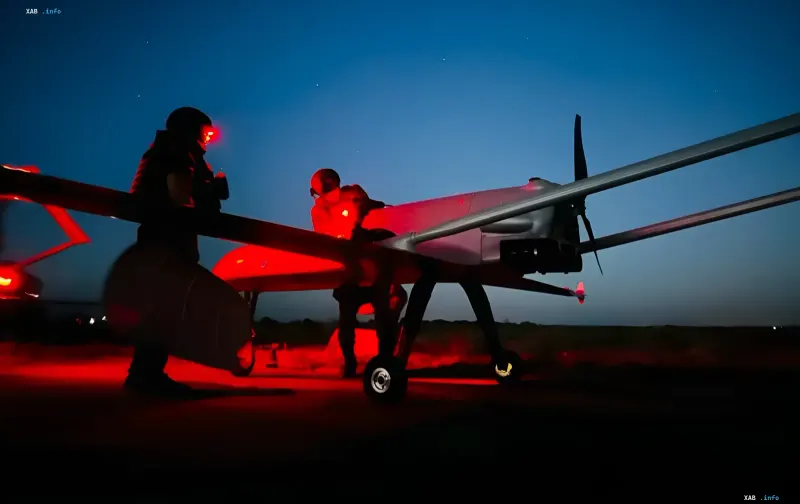
On the night of July 10, another attack on Russia's oil refining infrastructure was recorded. This time, the target was the Ilyskoye Oil Refinery located in the Krasnodar Krai. Information about the incident appeared in the Exilenova+ Telegram channel, as cited by the RBC-Ukraine publication.
Fire at the facility and lack of official comments
At this time, the authorities of the Krasnodar Krai have not confirmed the fact of a drone attack and have not provided official comments regarding the situation at the plant. However, local residents are already sharing video footage showing a fire on the territory of the industrial facility. The footage indicates a fire, which was likely caused by the impact of munitions or damage to equipment.
History of attacks on the Ilyskoye Refinery
The Ilyskoye Refinery is not being targeted by Ukrainian drones for the first time. The enterprise has been subjected to strikes on multiple occasions, resulting in fires and temporary suspension of operations. The plant was last attacked just a month ago. This confirms the systematic nature of actions against Russia's energy infrastructure.
Significance of the plant for the regional economy
The Ilyskoye Refinery is one of the key enterprises in the Southern Federal District. Its annual production capacity is 6.6 million tons of oil. The plant processes hydrocarbon raw materials and produces a wide range of products: gasoline, straight-run gasoline, fuel oil, and diesel fuel. Disruptions in its operation could affect logistics and fuel supplies in the region.
Overall picture of strikes on Russian refineries
According to data from the Financial Times, Ukrainian drones are attacking Russia's energy infrastructure at an unprecedented rate. By the end of June 2026, eight out of the ten largest oil refineries in Russia had been successfully hit. This has significantly undermined total oil refining volumes and exacerbated gasoline supply problems within the country.
Consequences for the domestic market
Massive strikes on refineries have led to fuel shortages in several regions. The rise in gasoline and diesel prices became noticeable within the first weeks after the start of the campaign. Experts note that restoring capacity will take months, and in some cases — years, especially if the damage is critical.


