
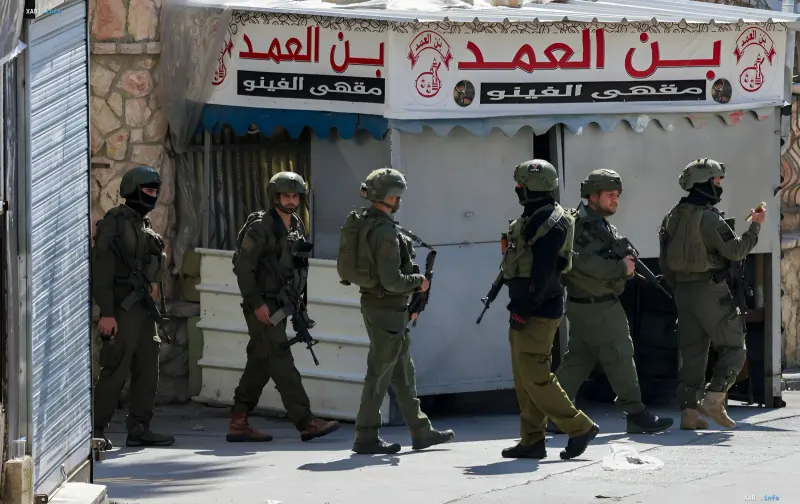
In the run-up to the expected historic agreement between the US and Iran, the situation in the Middle East has sharply escalated. Israel launched powerful airstrikes on a district in Beirut where the Hezbollah group is based. The attack occurred just hours before the parties were scheduled to sign a memorandum of understanding.
Response to Shelling
Official confirmation of the strike came from Israeli Prime Minister Benjamin Netanyahu. In his Facebook post, he stated that the Israel Defense Forces (IDF) attacked Hezbollah infrastructure targets in the Dahiyeh district of Beirut. Netanyahu emphasized that this was a direct response to the shelling of Israeli territory by the Lebanese group.
"Israel will not tolerate shelling of its territory," the Prime Minister's statement read. The decision to launch the strikes was personally authorized by Netanyahu together with Defense Minister Israel Katz.
A Shadow Over Peace Talks
The timing of the strike proved critical. The attacks occurred just as the world was expecting the signing of an agreement between Washington and Tehran. Iran, being the main sponsor of Hezbollah, is directly interested in stability in the region, so any military action against the group could affect the course of diplomatic negotiations.
According to reports, the US and Iran, mediated by Pakistan and Qatar, were supposed to hold a virtual meeting to sign the memorandum. The document provided for a 60-day extension of the ceasefire and the opening of the Strait of Hormuz for shipping.
Diplomatic Pause
Earlier, Pakistani Prime Minister Shehbaz Sharif stated that the agreement would be signed within 24 hours in digital format. However, the situation on the ground introduced corrections to the diplomatic plans. Iranian Foreign Ministry spokesperson Esmaeil Baghaei has already refuted the previously announced dates, stating that the signing will not take place on Sunday, although he did not rule out the conclusion of an agreement in the coming days.


