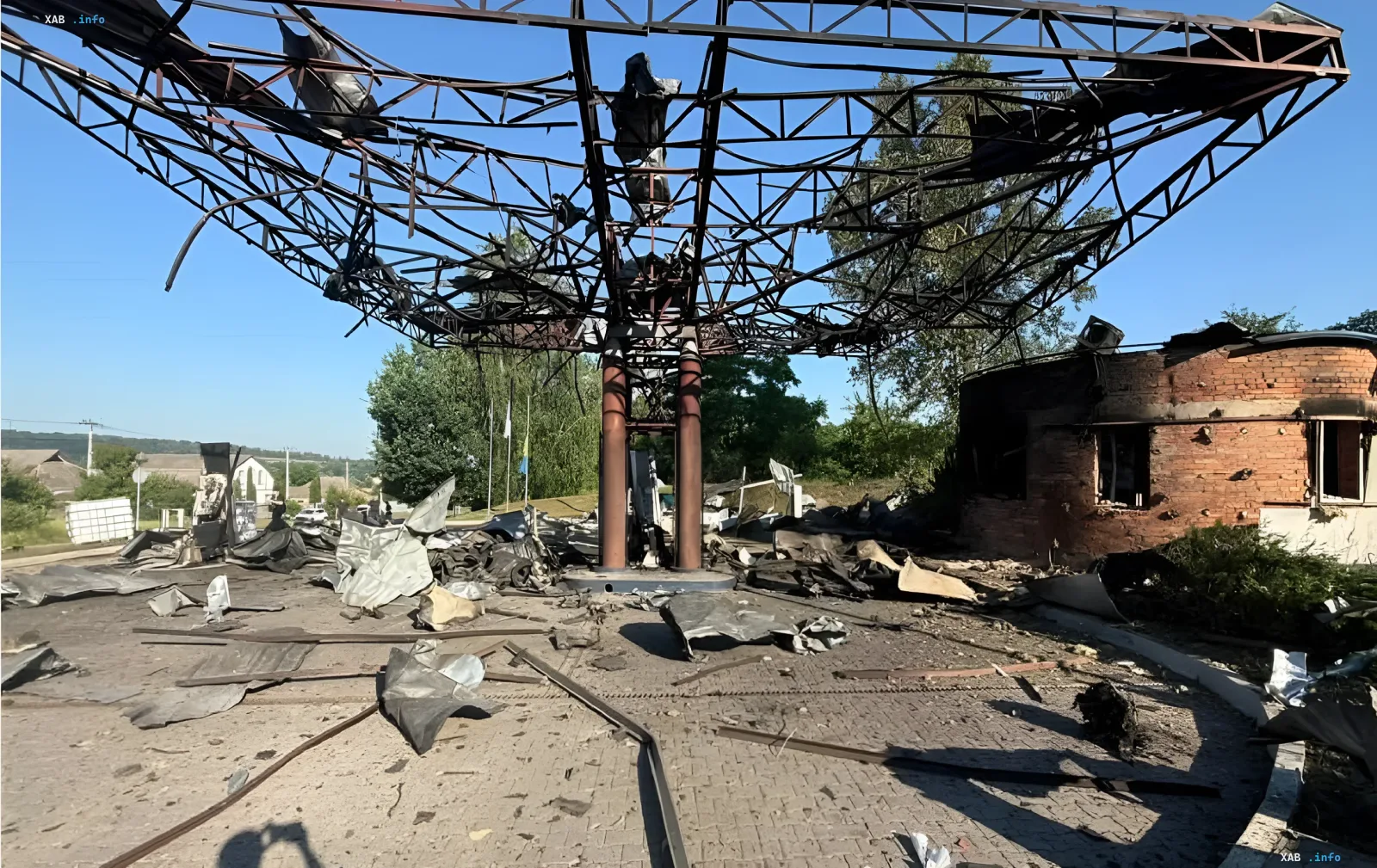
Between July 2 and July 5, 2026, Russian forces carried out a series of coordinated attacks on facilities of the state-owned oil company 'Ukrnafta'. The strikes on civilian infrastructure damaged production capacities and destroyed gas stations that supply fuel to frontline areas. According to the company, one person was killed and two others were injured during the shelling.
Damage and casualties
A production facility and three gas stations from the state network were hit by enemy artillery and missiles. These stations play a critical role in logistics, supplying fuel to communities located in close proximity to the front line. According to information provided by the company's director, Bohdan Kukura, significant building destruction and damage to complex technological equipment were recorded.
'Ukrnafta' position: restoration and support for the front
The company emphasized that Russia continues to deliberately attack civilian infrastructure necessary for sustaining the population and military operations. Despite the extensive destruction, 'Ukrnafta' management announced the start of restoration work where technically feasible.
"We are restoring damaged facilities to ensure fuel supply for people where it is needed most, including in frontline areas," noted Bohdan Kukura. This decision underscores the strategic importance of maintaining energy infrastructure operations even amidst active combat.
Context: a series of attacks on the energy sector
The attacks on 'Ukrnafta' are a continuation of a series of strikes against Ukraine's energy sector. Previously, Russian forces attacked production facilities of the 'Naftogaz' group in the Poltava and Kharkiv regions. During those shelling incidents, the enemy used at least four ballistic missiles, including warheads with cluster munitions, as well as attack drones. Despite the power of the attack, catastrophic consequences were avoided at that time.
Recently, drones also struck a 'Naftogaz' facility in the Poltava region, causing a fire. The enterprise was forced to temporarily suspend operations to assess the damage, while the personnel survived the attack in shelters. These events indicate a systematic attempt to destabilize the country's energy security by destroying gas extraction and oil refining infrastructure.


