Summer is a time when the sun becomes not only a source of warmth but also a serious risk factor for the skin. Even healthy skin can suffer from active ultraviolet radiation and dehydration. How to properly care for your face in the heat, which products to choose, and why SPF alone is not enough — cosmetic dermatologist Daria Tishchenko explains.
Types of Sunscreen Products: What to Choose?
When choosing a cream, it is important to pay attention not only to the SPF factor but also to the type of filters in the composition. There are three main types:
- Physical (mineral) filters — work like a screen, reflecting and scattering ultraviolet rays. Ideal for sensitive, children's skin and rosacea. Minus: they may leave a white cast, feel heavy, and wash off quickly.
- Chemical filters — absorb UV radiation and convert it into heat. Lighter in texture and more comfortable on the skin. However, they may cause irritation in people with reactive skin.
- Combination products — combine both types of filters, providing a balance between protection and comfort.
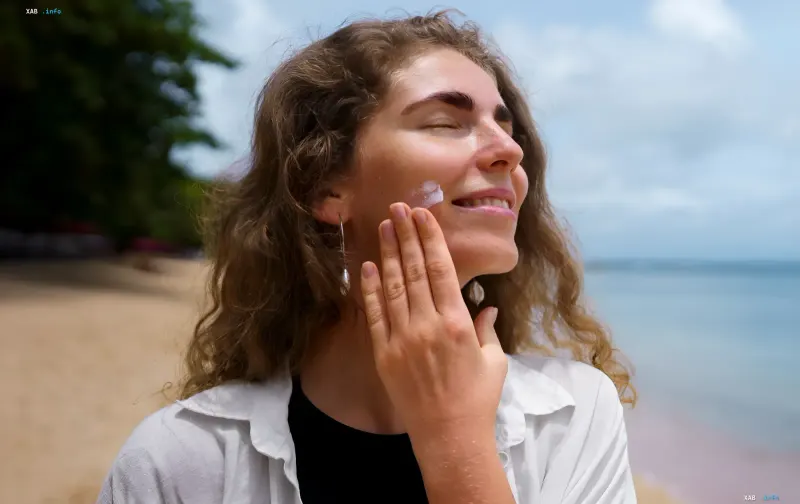
Daria Tishchenko recommends applying any sunscreen 15–20 minutes before going outdoors. This gives time for it to distribute evenly and form a full protective layer.
When and How Often to Reapply SPF?
Protection should be renewed every two hours, especially after swimming or heavy sweating. Also, keep an eye on the UV index — it is available in most weather apps:
- 0–2 — minimal risk, protection not mandatory.
- 3–5 — use SPF is recommended.
- 6–7 — high level, comprehensive protection needed.
- 8+ — maximum protection required: cream, hat, sunglasses, covered clothing.
- 11+ — even short exposure to the sun can lead to burns.
Even on cloudy days, the index can be high — do not neglect protection.
Not Just Cream: Additional Protection Measures
Skin protection is not limited to SPF alone. Be sure to wear a wide-brimmed hat, sunglasses, and light clothing made of natural fabrics — linen or silk. They help reduce the load on the skin and prevent overheating.
Hydration and Recovery in the Heat
In summer heat, the body loses moisture faster, so it is important to drink at least 1.5 liters of water a day. For external hydration, it is better to use fluids, gels, or mousses — they do not overload the skin and maintain its hydrolbalance.
Useful ingredients in such products:
- Hyaluronic acid
- Beta-glucans
- Niacinamide
- Ceramides
- Aloe vera
- Panthenol
Dense nourishing creams are better left for autumn and winter. If the skin needs intensive care, thick textures should be applied only in the evening.
Freshening and Recovery
Thermal water and special facial sprays help quickly refresh the skin and restore a feeling of comfort. Also useful are wipes for cleansing the face, hands, and décolleté area.
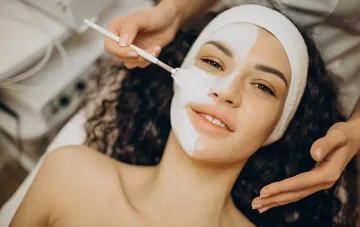
Once a week, it is recommended to use recovery masks — sheet or cream. According to Tishchenko, cream masks are particularly effective: they soothe the skin, reduce redness, even out tone, and support recovery after sun exposure.
Cleansing: Morning and Evening
In summer, the skin requires regular cleansing — morning and evening. Gentle gels, foams, mousses, or enzyme powders are suitable. Cleansing should not only remove dirt and SPF residue but also support the skin's protective barrier.
The dermatologist does not recommend using aggressive products with alcohol or ingredients that can dry out the skin. This is especially true for those with oily skin: attempts to "degrease" the face lead to the opposite effect — the skin starts producing even more sebum.
Proper summer care is a balance between protection, hydration, and recovery. Follow these recommendations, and your skin will remain healthy and radiant even in the hottest weather.