
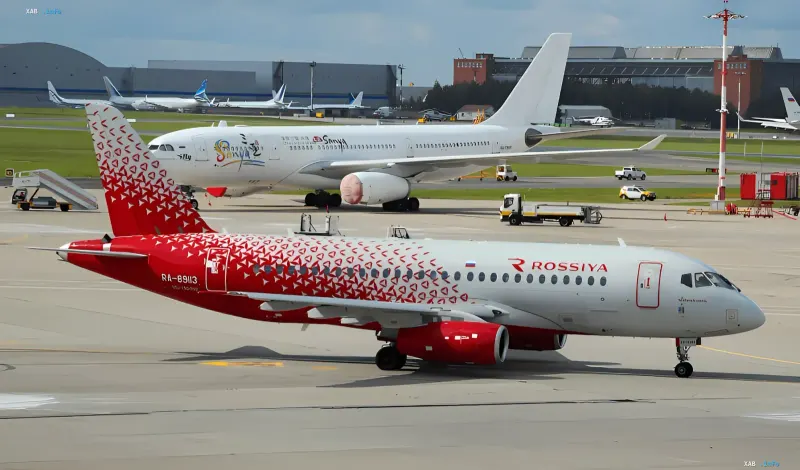
The schedule for obtaining the type certificate for the import-substituted version of the Russian regional aircraft SJ-100 ("Superjet") has undergone changes. Anton Alikhanov, Minister of Industry and Trade of the Russian Federation, stated that the target deadline has been moved to the period from late 2026 to the first quarter of 2027. Previously, the ministries and the United Aircraft Corporation (UAC) were targeting the completion of procedures exclusively by the end of 2026.
The shift in deadlines is due to the need to compile and deeply analyze a significant volume of technical documentation, which must be submitted to Rosaviatsia. According to the head of the Ministry of Industry and Trade, the flight test program for the aircraft is currently more than 80% complete and is planned to be finished by the end of this year. However, the final stage of certification requires careful preparation of the evidence base.
Technical transformation and import substitution
The history of the SJ-100 project is inextricably linked to sanctions pressure. The base SSJ-100 modification was produced in series from 2011, but after the introduction of restrictions in 2022, production was suspended due to critical dependence on foreign components. The new modification implies a massive replacement of approximately 40 key systems and units.
The list of replaced units includes:
- Avionics complex (on-board radio-electronic equipment);
- Landing gear elements, hydraulic system, and auxiliary power unit (APU);
- Air conditioning systems and interior cabin components.
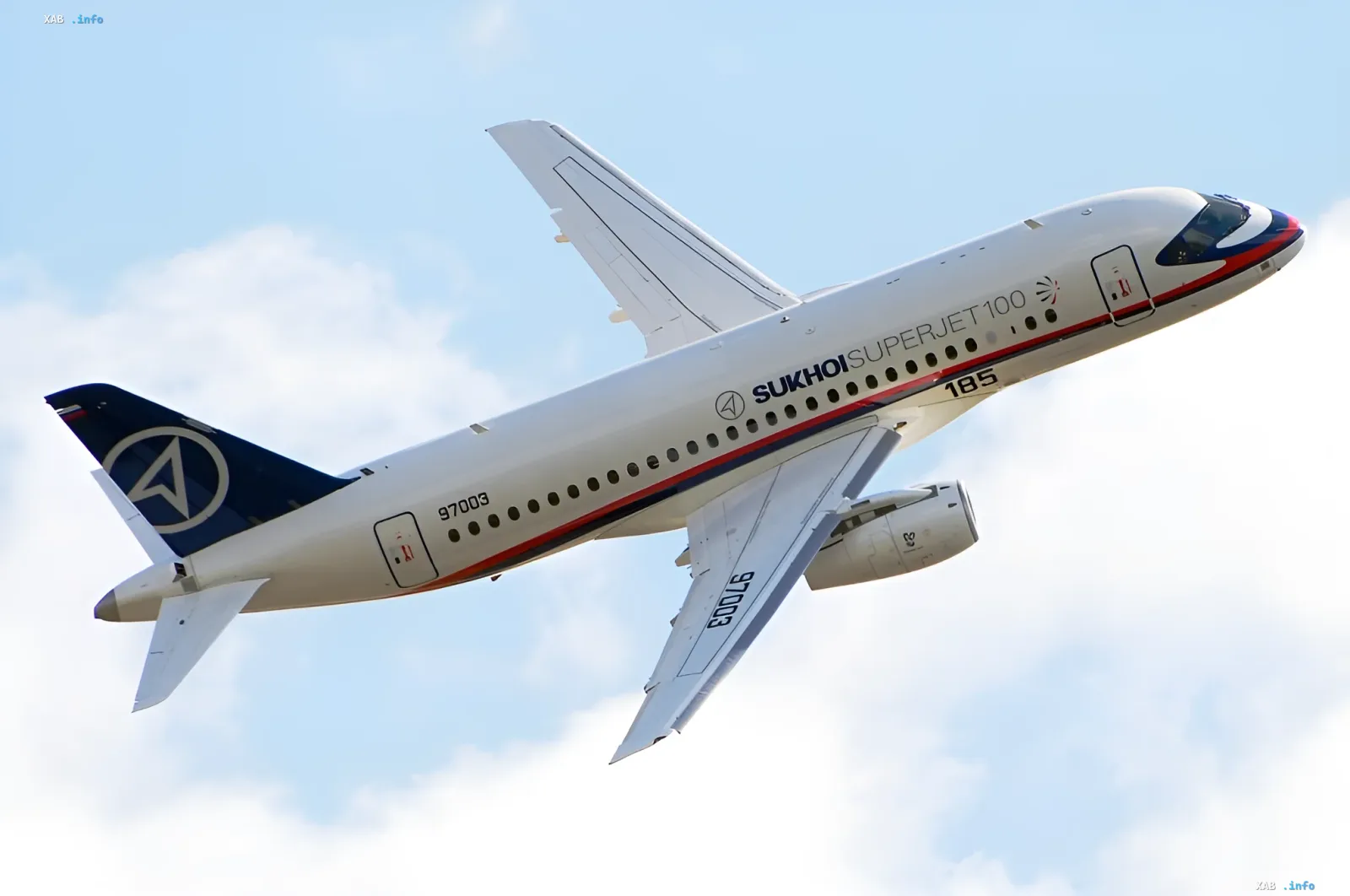
The key role of the PD-8 engine
The central element of the import substitution program is the replacement of French-Russian SaM146 engines with Russian PD-8 turbofan power plants developed by the United Engine Corporation (UEC). The certification deadlines for the entire aircraft are strictly tied to the completion of tests for this unit.
During engine tests on the Il-76LL flying laboratory in December 2023, technical features were identified that required additional research and development work. Engineers had to perform bench modifications of individual compressor units and automatic control systems (ACS), which inevitably affected the overall project schedule.
Production and prospects for airlines
Parallel to certification flights, the assembly of serial fuselages continues at the production site in Komsomolsk-on-Amur. According to UAC data, 26 out of 42 contracted aircraft are at various stages of readiness. Experts note that creating such a large number of new systems simultaneously with the launch of a new engine is traditionally accompanied by schedule adjustments.
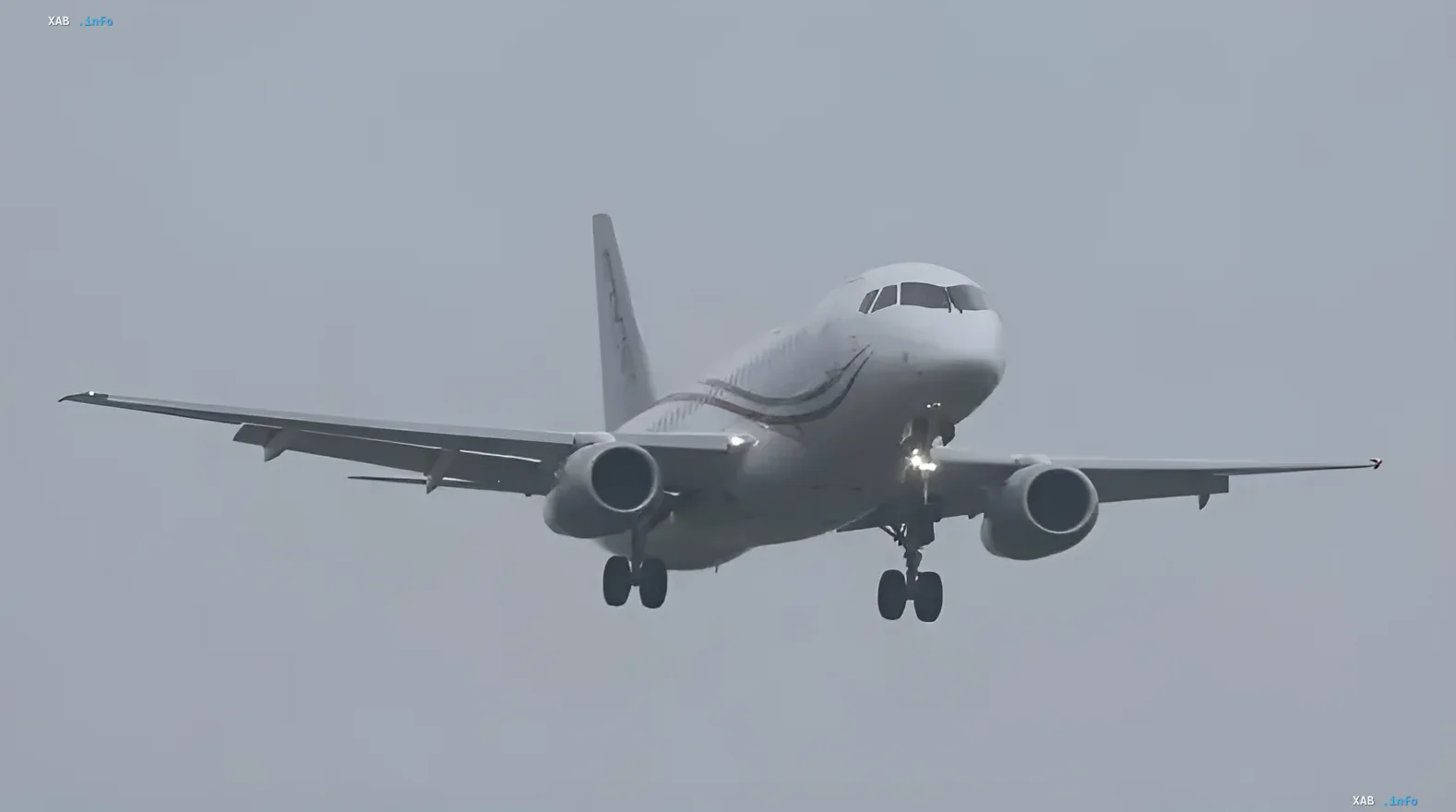
Rosaviatsia regulatory requirements for passenger transport safety do not allow equipment into operation without full verification of all parameters in various climatic and flight modes. The postponement of deliveries of the first serial samples to early 2027 will require airlines to extend airworthiness maintenance programs for the existing fleet of foreign and early domestic aircraft.


