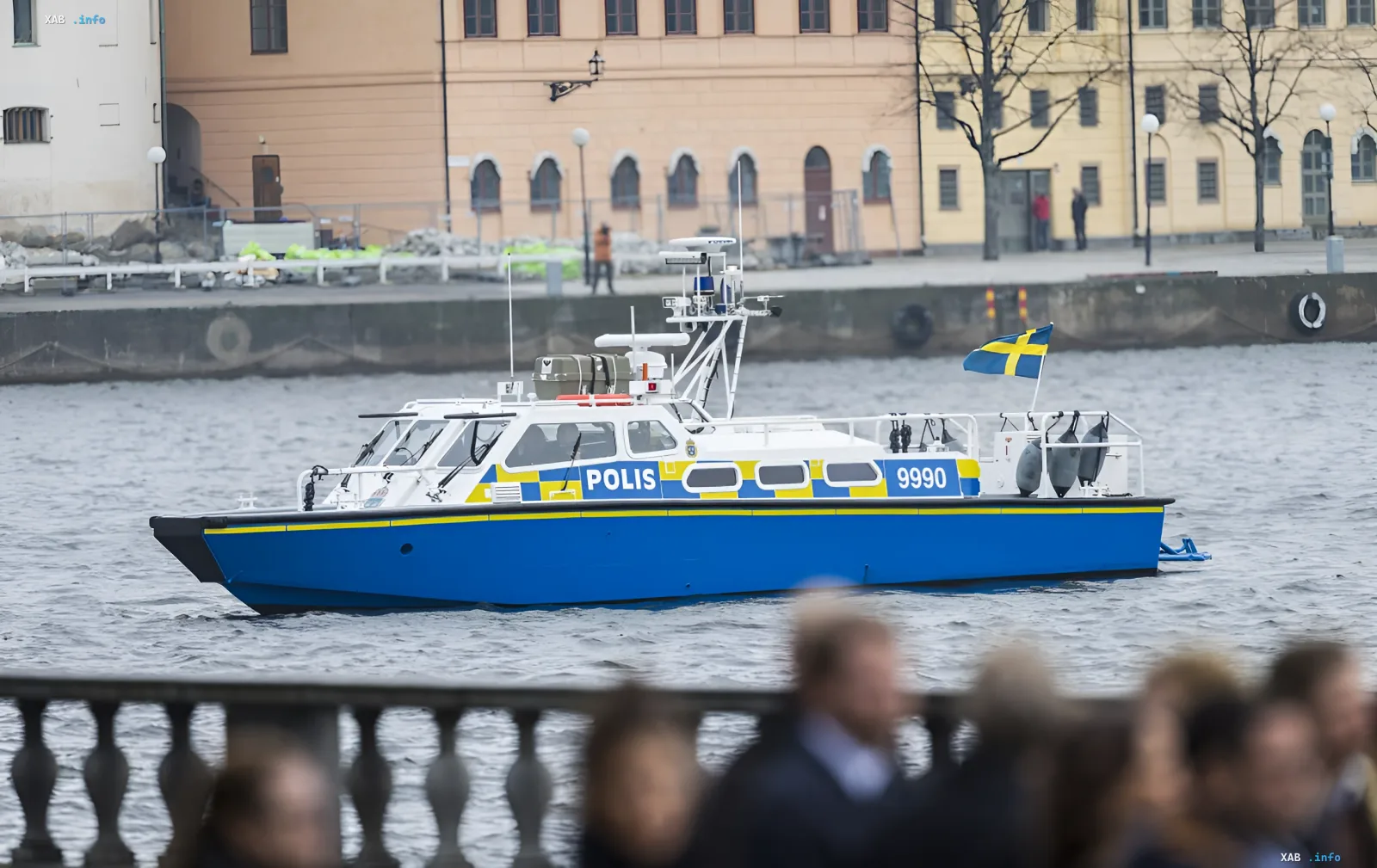
Large-scale civil evacuation exercises have taken place on the Swedish island of Gotland in the Baltic Sea, marking the first maneuvers of their kind in the region since the 1960s. The training, organized between October 5 and October 8, 2026, brought together hundreds of specialized experts and local residents. Regional authorities, police, the Swedish Armed Forces, the Transport Administration, and other vital organizations were involved in the process.
Strategic Importance of the Island and Drill Objectives
The primary goal of the exercises was to test interagency coordination, prompt decision-making during crisis situations, and the logistics of transporting people to safe locations. About 200 volunteers participated in the practical phase of the maneuvers. To test the readiness of emergency services for complex and unconventional scenarios, some participants played the roles of people with dementia and citizens in need of special support. Meanwhile, population movement was carried out exclusively between points within the island, and evacuation to the Swedish mainland was not conducted during these drills.
Security Context and Moscow’s Reaction
Gotland Island holds a key strategic position in the central Baltic Sea, located less than 350 kilometers from the coast of Russia's Kaliningrad Oblast. Control over this territory provides significant capabilities for monitoring maritime and air routes throughout the region. Amid ongoing Russian aggression against Ukraine, Sweden has substantially strengthened Gotland's defense capabilities and is actively restoring its national civil defense system. At the same time, official Moscow has repeatedly lodged protests, accusing NATO of provocative military activity near Russian borders, while Russian diplomats have warned of the risks of blockading Kaliningrad and threatened to use their entire arsenal, including nuclear weapons.
Contradictory Data
On one hand, Swedish officials and local authorities emphasize that these exercises are purely routine in nature and do not reflect an immediate increase in military threat or crisis risk, aiming instead to proactively prepare infrastructure. On the other hand, the Russian side and several international experts view the growing militarization of Gotland and large-scale evacuation drills as overtly unfriendly steps aimed at establishing a foothold against Russia and potentially blockading the strategically vital Kaliningrad exclave in the event of escalation.