
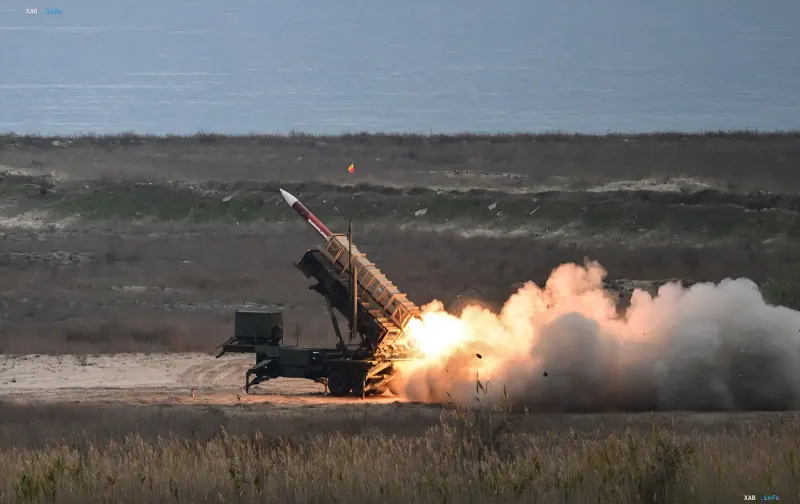
The situation with air defense in Ukraine has undergone significant changes. Due to a critical shortage of ammunition for Patriot anti-aircraft missile systems, Ukrainian military personnel are forced to radically change their tactics for repelling air attacks. This was stated by military expert and former SBU employee Ivan Stupak in a comment to the RBC-Ukraine YouTube channel.
From Automation to Manual Control
Previously, air defense systems operated in automatic mode: upon detecting a threat, the complex would independently launch two interceptor missiles to guarantee the destruction of the target. However, the acute shortage of expensive ammunition has made this scheme economically and tactically unfeasible.
Now, operators have been forcibly switched to manual mode. The decision to launch is now made by a human. The operator must independently assess the situation, determine target priorities, and choose the moment for the attack. This allows for not wasting single missiles on cheap drones, but saving them for destroying truly dangerous and expensive aerial objects.
Gaps in the System and Threat Speed
The expert also clarified the reason why sometimes ballistic missiles reach their targets even before the air raid siren sounds. This is related to the specifics of the ballistic trajectory and the high speed of such projectiles. Radar systems do not always manage to detect the threat in time, creating temporary gaps in protection.
No air defense system in the world can guarantee 100% safety, but against the backdrop of a shortage of interceptors, this problem becomes critical. The lack of missiles deprives the defense of the ability to cover all attack vectors, forcing a choice in favor of the most priority targets.
Balance of Losses and Intensity of Strikes
Despite the difficulties, the Ukrainian Air Force continues to inflict losses on Russian aviation. On the eastern front, the destruction of Su-35 fighters — one of the enemy's most modern and expensive targets — has been recorded. Such successes allow for a reduction in the intensity of the use of guided aerial bombs in frontline zones.
At the same time, Russia is not reducing the pace of attacks, combining various types of weaponry. During recent night strikes, the enemy used ballistic and anti-radiation missiles, as well as more than 150 unmanned aerial vehicles. According to experts, the air defense failed to shoot down a single ballistic missile during that attack, although the launched Kh-31P missiles still failed to reach their targets.


