
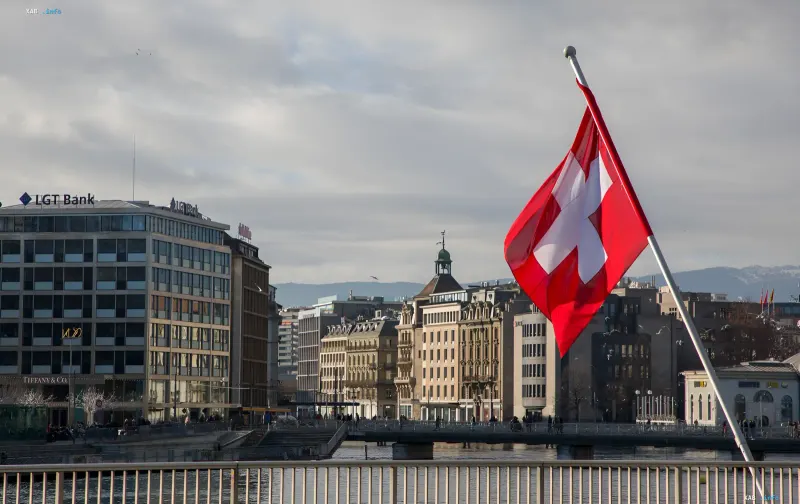
On Sunday, June 14, Switzerland took a significant step in defining its future for the coming decades. In a nationwide referendum, the country's citizens rejected a proposal to cap the population at 10 million people. This decision marked a triumph for proponents of economic stability and the preservation of close ties with the European Union, amidst growing concerns regarding immigration.
Voting Figures and Expert Reaction
According to preliminary projections by the national broadcaster SRF, which traditionally conducts the vote count, the result was close but clear: approximately 45% of voters voted "for" the initiative, while 55% voted "against".
Experts note that the vote sparked serious concerns in business circles. The proposal, actively promoted by the right-wing Swiss People's Party, was compared to the 2016 Brexit referendum in the UK. Businesses feared that adopting the initiative could dismantle the free movement of labor regime—a key element of relations with the country's main trading partner, the EU.
The Essence of the Failed Initiative
The proposal rejected by voters contained strict parameters: the country's population was not to exceed 10 million by 2050. Furthermore, the plan included an automatic mechanism: if this threshold were exceeded within two years, Switzerland would be obligated to terminate freedom of movement within the EU.
Urs Bieri from the sociological firm GFS Bern explained the initiative's failure by noting that, despite widespread concern over population growth, people did not see practical feasibility in the plan.
"Voters were concerned about the negative consequences for relations with the EU and the labor market. People were also worried about a shortage of medical personnel. Additionally, there is a view that in the current international climate, isolation is an unwise step for a small country," the expert explained.
Demographic Context and Government Strategy
Today, Switzerland's population stands at 9.1 million. The country demonstrates higher growth rates than neighboring EU states, where foreigners make up nearly 28% of the total population. Official forecasts indicate that the 10 million mark will be crossed by the early 2040s.
In March, the Swiss government already described stable relations with the EU as a "strategic necessity." Ahead of the referendum, the public was urged to support a new agreement with Brussels signed in early March. The document provides for the partial implementation of EU legislation into Swiss law. Now that the idea of capping the population has failed, attention will shift to ratifying this agreement, which will also require a separate referendum, likely not before next year.


