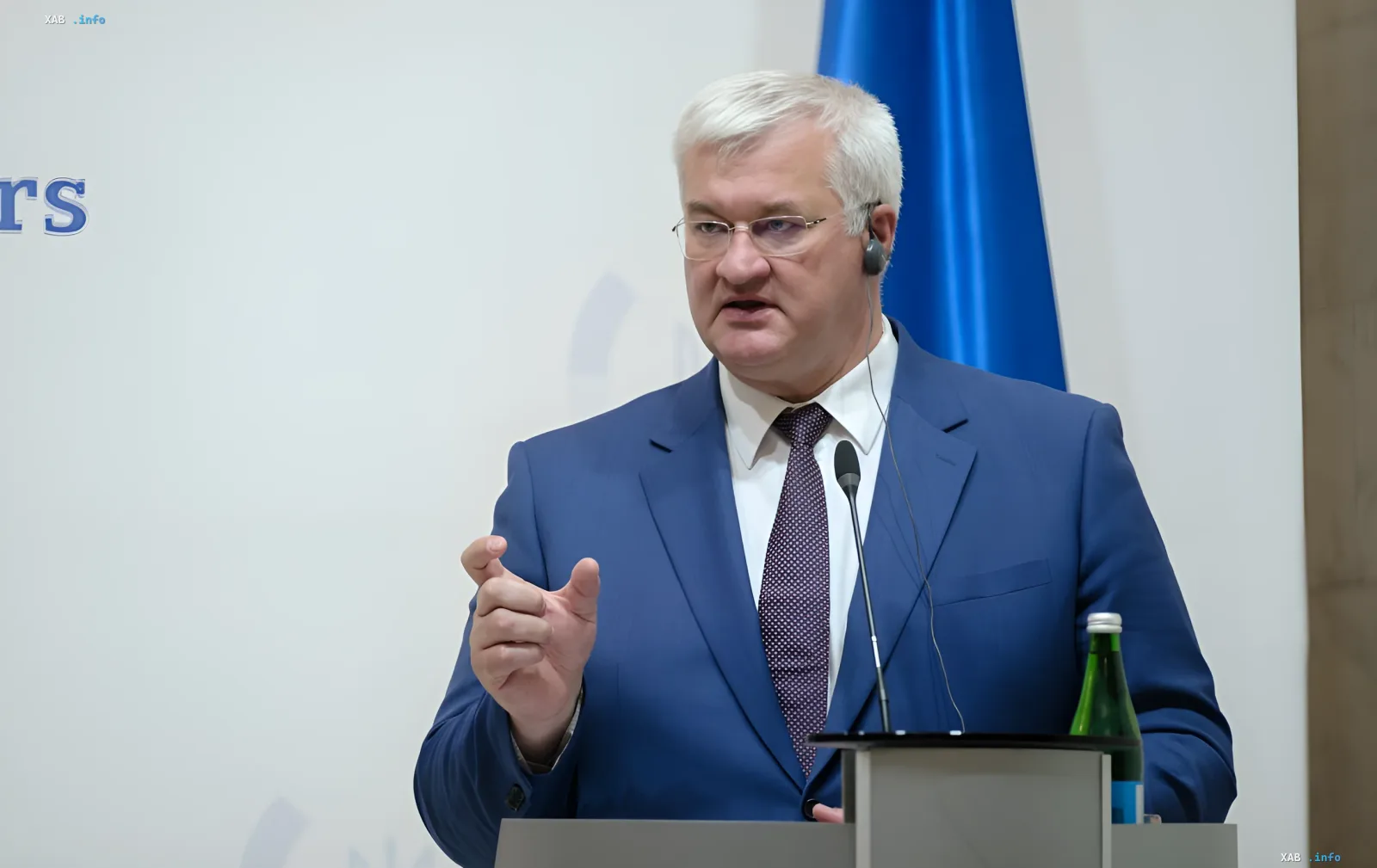
Ukraine's Foreign Minister Andriy Sybiga commented on Russian leader Vladimir Putin's refusal of the proposal for direct peace negotiations. According to the Ukrainian diplomat, Moscow's rejection of a diplomatic solution to the conflict was a fatal mistake that will lead to a deterioration of the situation within Russia.
Sybiga set out his reasoning in a post on the social network X, which was noted by RBK-Ukraine. The minister stated that the Kremlin's decision not to engage with Kyiv is "bad news" primarily for the Russian people.
Economic collapse and rising losses
Andriy Sybiga painted a grim forecast for Russia in the event of continued hostilities. According to him, the refusal to negotiate will trigger a chain reaction of negative consequences:
- Casualties on the battlefield will steadily rise.
- Military failures will become increasingly humiliating for the Russian army.
- The country's economy will plunge into a deep recession.
- The population will face rising unemployment, tax hikes, and an inflationary shock that will hit the most vulnerable citizens hardest.
The diplomat also warned that there are no longer any safe places in Russia that could be protected from strikes. The intensity of attacks, he said, will only increase.
International pressure and "mad delusions"
Sybiga emphasized that the isolation of the Russian Federation will not weaken but will intensify. He listed the tools of pressure that will be applied in the future: the use of frozen Russian assets, stricter travel bans, and the inevitable accountability for war crimes.
The minister cited Vladimir Putin's desire to hold onto power at any cost as the cause of all these problems. Sybiga called the Russian leader a "fanatic" who is willing to sacrifice the country's future and the lives of millions of people for his "mad delusions".
"He does not want to accept a simple truth: he will never achieve his goals on the battlefield," wrote Ukraine's Foreign Minister. In his opinion, Putin should have abandoned hopes for the imminent collapse of Ukraine or a weakening of Kyiv's support from Western partners.
History of confrontation
The conflict over peace negotiations intensified following events in early June. On June 4, Ukrainian President Volodymyr Zelenskyy sent an open letter to Vladimir Putin, proposing to end the war through direct negotiations. Zelenskyy urged the Russian leader to set a date and place for a meeting to work out agreements.
The response came at the St. Petersburg International Economic Forum. Putin, commenting on the Ukrainian colleague's letter, complained about "elements of rudeness" and rejected the proposal for a personal meeting, stating that he saw no point in it.
In response, Zelenskyy stated that Putin is not interested in peace and is consciously choosing to continue the war. Summarizing the situation, Andriy Sybiga warned that Russia will still be forced to accept a diplomatic solution, but the conditions for this will be much worse than they are now. Refusal of peace, he said, will only increase international pressure on the Russian Federation and support for Ukraine.


