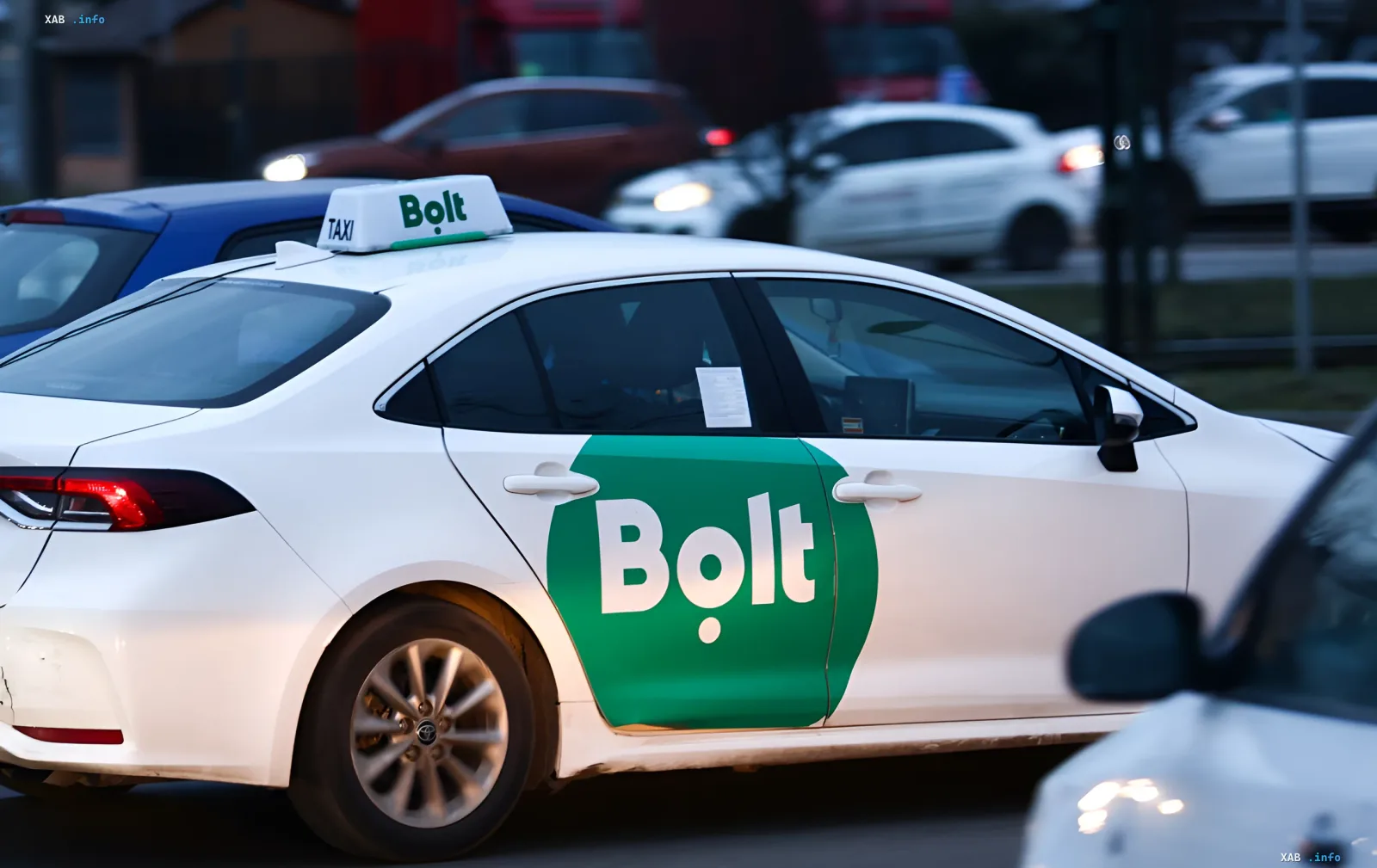
Air raid sirens, power outages, or heavy rain — for a passenger, this is stress, but for a taxi service, it is a test of resilience. In such moments, the smartphone screen often displays a fare that seems shockingly high. Why do algorithms react this way to external factors, and is there a "ceiling" for tariffs? The Bolt team in Ukraine provided detailed comments to RBC-Ukraine.
The mathematics of supply and demand
The pricing mechanism in modern aggregators is transparent: the price is formed automatically. It depends on the ratio of passengers wanting to travel to the number of available drivers at a specific moment. Sergey Pavlik, General Manager of Bolt in Ukraine, explained that external catastrophes disrupt this balance.
During air raid sirens, blackouts, or prolonged precipitation, the situation changes radically:
- The number of orders increases sharply as people look for a way to reach a shelter or get home.
- Conversely, some drivers end their shift, go to a shelter, or temporarily go offline due to road dangers.
As a result, demand for rides can increase by 20–30%, and in peak moments — by more than 50%. To restore balance, the system raises the dynamic coefficient.
Why are high prices needed?
Many users perceive price hikes as unfair. However, according to company representatives, this is an economic lever necessary for the service to function. An increased coefficient signals to drivers where demand is currently high. This motivates them to move to the necessary areas and fulfill orders that would otherwise be ignored.
Bolt does not deny that prices rise during such periods and understands the outrage on social media. However, the company emphasizes that this mechanism cannot work indefinitely.
Is there a limit?
There is a natural limit to tariff growth. Sergey Pavlik explained the logic of the system: if the price rises too high, the passenger will simply cancel the order. In this case, the transaction will not take place, and no one will benefit — neither the driver, who loses potential earnings, nor the service.
At the moment, the company does not forecast a sharp jump in tariffs in the near future. Nevertheless, global factors continue to influence the market: inflation, fuel costs, and car maintenance expenses, which are inevitably factored into the final cost of the service.


