
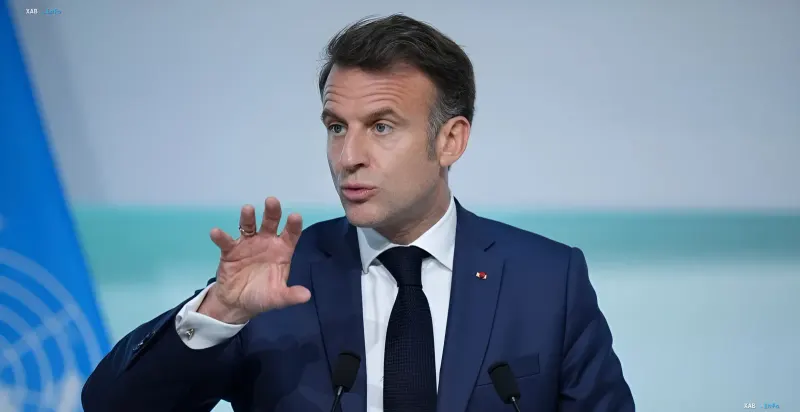
The Syrian Ministry of Interior has officially concluded its investigation into a series of explosions that rocked Damascus on July 7, 2026. The incident, which occurred against the backdrop of an official visit by French President Emmanuel Macron, resulted in casualties and injuries but did not derail the diplomatic agenda. Following extensive operational and investigative measures, Syrian authorities established the involvement of a cell of the international terrorist organization "Islamic State" (ISIS) in the terror attack.
Timeline of the Event and Consequences
The detonation of two improvised explosive devices was recorded in close proximity to the Four Seasons hotel complex, where the French delegation was based. The attack took place shortly after Macron's motorcade departed for negotiations with the new President of Syria, Ahmed al-Sharaa. As a result of the explosions, one person was killed and 36 were injured with varying degrees of severity. The French leader himself was unharmed and continued to carry out the visit program, which marked the first official contact between an EU country leader and the new leadership of Damascus following the change of political regime in December 2024.
Debunking Theories Regarding the Former Elite
In the initial stages of the investigation, Middle Eastern media, particularly in an article by The National on July 9, actively discussed the hypothesis that representatives of the former President Bashar al-Assad's circle were involved in financing the attack. The theory was based on the possible involvement of Rami Makhlouf, a prominent businessman and cousin of the ex-leader. According to analysts, the motive could have been a reaction to the signing of an agreement between Paris and Damascus on the repatriation of Syria's assets frozen in Europe, totaling 51 million euros, which coincided with the terror attack.
However, the materials of the criminal case did not confirm this version. On July 10, 2026, Ahmad Dalati, head of the internal security service of the capital region, presented physical evidence and confessions from detainees on state television, fully discrediting assumptions about the role of former government structures.
Mechanics and Motives of the Attack
During raids conducted in four districts of Damascus, law enforcement officers liquidated a clandestine ISIS cell. During searches, components for the production of explosives, communication devices, and radical printed materials were seized. The investigation qualified the actions of the detainees under articles providing for liability for terrorism, intentional murder, and illegal trafficking of explosives.
According to the case materials, the attack had a clear strategic goal:
- Destabilization of the situation: Demonstrating the inability of Syrian authorities to ensure security in the presence of a European delegation.
- Economic sabotage: Disrupting potential foreign investment programs and destroying the foreign economic ties of the new Syria.
- Financing: Operations were coordinated through hidden crypto wallets and illegal "hawala" transfer systems controlled by ISIS field commanders operating in the desert areas in the east of the country.
International Resonance
Official Paris took note of the report from the Syrian side. The French Ministry of Foreign Affairs confirmed its intention to continue cooperation with Damascus in the field of counter-terrorism and transnational crime. The authorities of France and Syria agree that, according to international law and UN Security Council resolutions, the fight against global terrorist threats is an unconditional obligation of all states, and the investigation of such crimes falls under the exclusive jurisdiction of the country where they were committed.


