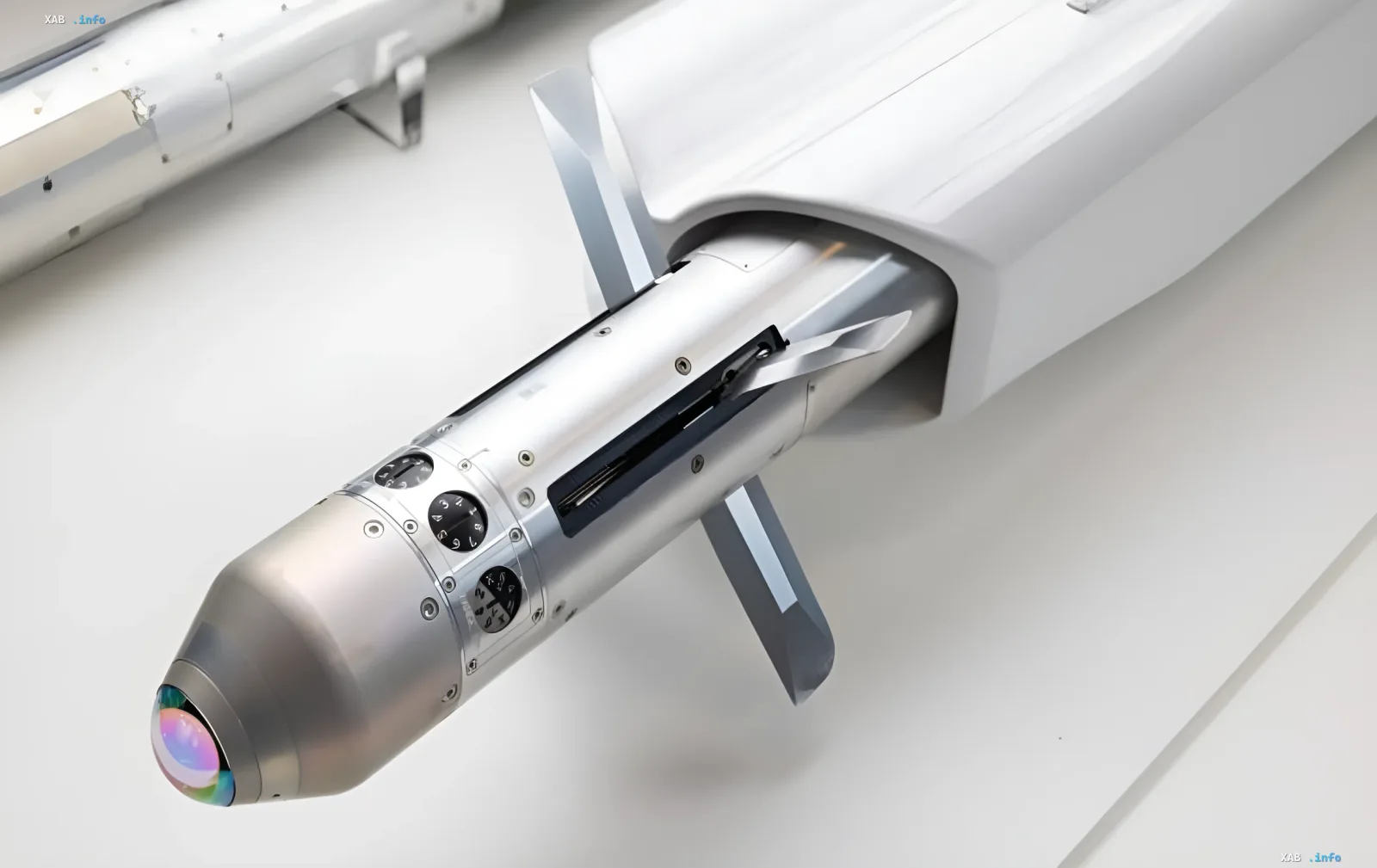
Defense giant Thales has officially announced the launch of its latest 70mm laser-guided missile, the LGR275 Proxy. The unveiling of this new product is a direct response to the challenges of modern warfare, where armies are forced to use expensive air defense systems to destroy cheap drones.
The main task addressed by the LGR275 Proxy is restoring the economic balance in aerial combat. Modern conflicts have shown that burning interceptors costing hundreds of thousands of dollars to shoot down budget UAVs leads to the rapid depletion of arsenals and the draining of defense budgets.
Technology Changing the Rules of the Game
The key feature of the new missile is the integration of a non-contact proximity fuse. This technological solution radically changes the tactics for using Thales 70mm projectiles. Previously, such missiles required a perfect direct hit, which was a difficult task when attacking maneuverable small drones.
Now, the warhead detonates at a fixed proximity to the target. This allows drones to be destroyed by shrapnel even without direct contact, significantly increasing the probability of a successful interception.
Versatility of Application
Developers have created a projectile capable of operating in two main modes:
- Surface-to-air: launch from ground platforms for local protection.
- Air-to-air: deployment from helicopters and other aircraft.
The LGR275 Proxy will become an important element of the multi-layered architecture of Thales' SkyDefender air defense system. The appearance of an affordable interceptor will allow commanders to flexibly manage their armament: cheap missiles will intercept drone swarms, leaving expensive anti-aircraft complexes to destroy strategic targets such as aircraft or cruise missiles.
Scaling Production
Given the colossal global demand for counter-drone systems, Thales Belgium has already announced plans to expand production capacity. The company intends to triple the volume of guided missile production between 2026 and 2028.
Alain Kevren, National Director of Thales in Belgium and Luxembourg, emphasized that for modern weapons manufacturers, the ability to supply products in large series has become a factor no less important than the technical characteristics of the missile itself.
The expansion of the industrial base in Belgium is designed to promptly meet the needs of international clients, providing them with standardized NATO armament in the face of the growing threat from small unmanned aerial vehicles.


