
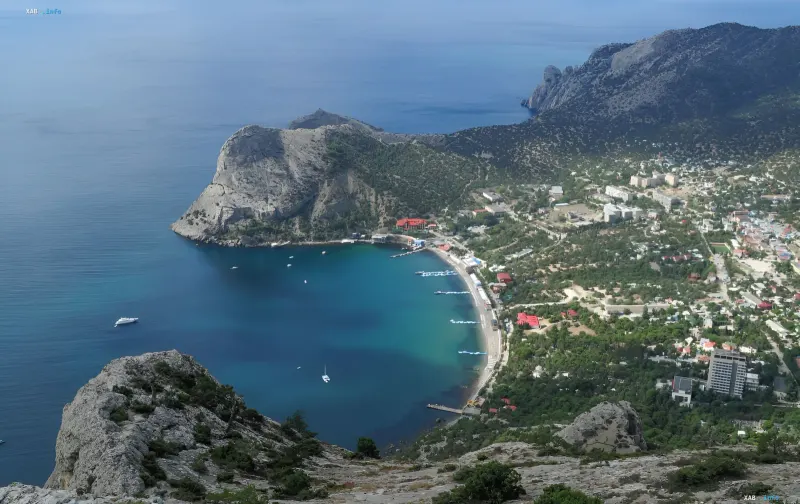
The question of the future structure of deoccupied Crimea will become one of the most complex challenges for Ukrainian constitutional law. Debates over whether the peninsula should remain an autonomy have been ongoing since the adoption of the Basic Law in 1996. Experts agree: the current status of the Autonomous Republic of Crimea may be a factor that led to the events of 2014, and after the territory returns to Ukraine's control, it must be reconsidered.
The Main Mistake of the Basic Law
Roman Bessmertny, one of the authors of the Constitution of Ukraine, directly calls the territorial autonomy of Crimea the biggest mistake made when creating the document. According to him, this decision was not made as a legally sound necessity, but as an immediate political compromise in the session hall, while the working group proposed a different format.
Bessmertny believes that other concessions of that time — for example, the status of the Russian language or the presence of large and small coats of arms — are insignificant compared to the problem of territorial organization. The expert insists: in Crimea, there should be either a national autonomy for Crimean Tatars, or the peninsula should become an ordinary part of Ukraine's territorial structure.
The Concept of "Kirimli Autonomy"
Proposing ways to solve the problem, Bessmertny puts forward the concept of "Kirimli autonomy." The essence of the proposal lies in changing the paradigm of governance: instead of the territorial autonomy that currently exists on paper, a national autonomy in accordance with international law should be implemented.
"That is, with powers provided for by international law from the point of view of national autonomy, not territorial, as it is now," explains the author of the Constitution.
Dependence on the Outcome of the War
Constitutional law expert Bohdan Bondarenko notes that the final status of the peninsula will directly depend on the conditions for ending the war. He agrees with his colleagues that the format of governance of the ARC introduced in 1996 became one of the catalysts for the events of 2014.
Bondarenko considers a scenario in which, upon the return of Crimea to Ukraine's control, the peninsula becomes an ordinary region. At the same time, according to the expert, it is critically important to ensure cultural autonomy for Crimean Tatars.
A Difficult Path of Changes
Changing Crimea's status will require amendments to Section X of the Constitution of Ukraine. This is a complex political process that cannot be implemented under current conditions. The reform will depend on the configuration of the new parliament and the realities of the post-war period.
"Therefore, we elect a new parliament, look at new realities, and depending on what we have, we think about what to do with the constitutional-legal status of Crimea," summarizes Bohdan Bondarenko.


