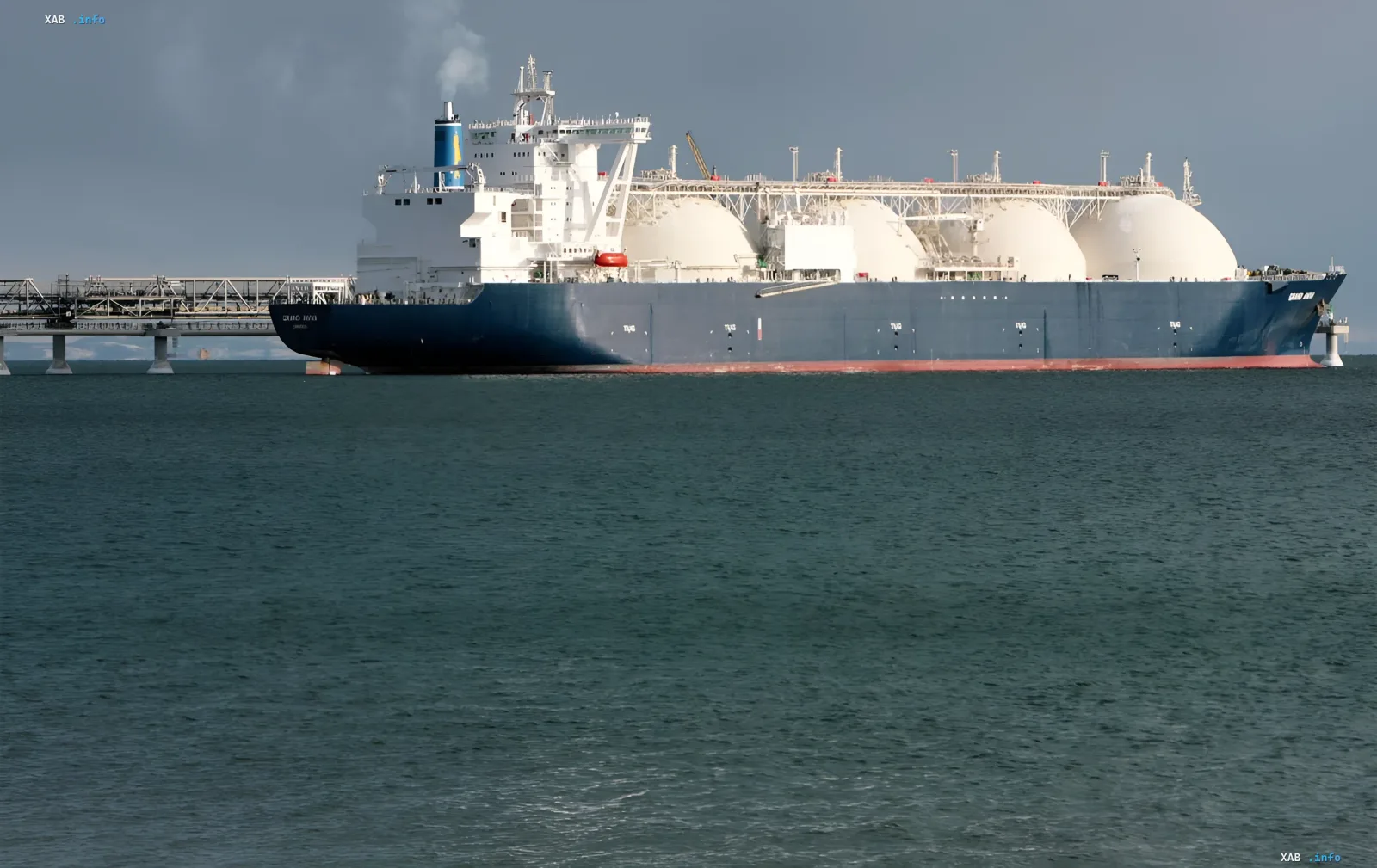
The war in the Middle East and the ongoing energy crisis have presented the European Union with a complex dilemma. On one hand, the "green" transition is yielding tangible dividends, while on the other, dependence on fossil fuels remains critical. Europe is trying to balance on the edge, reducing some expenses while record-breaking others.
Solar Savings and Gas Expenditures
Despite successes in developing renewable energy sources, Europe continues to spend billions on gas imports. However, the figures show that the alternative works: as of early June, solar energy alone allowed the EU to save €12.8 billion. This is a substantial sum, but it does not negate the need to purchase traditional energy carriers.
Analysts from the Institute for Energy Economics and Financial Analysis (IEEFA) note that total liquefied natural gas (LNG) imports into the European Union decreased by 1.2% since March. The situation in the United Kingdom looks even more radical — there, purchases dropped by 20% immediately. IEEFA analyst Ana Maria Jaller-Makarewicz notes that Brussels is beginning to realize the limitations of the model that was built on simply increasing LNG imports after the 2022 crisis.
The German Anomaly and Supplier Switch
Overall statistics hide significant differences within the bloc. While some countries are reducing consumption, others are demonstrating explosive demand growth. Germany became the leader in import growth — purchases increased by 72% compared to the same period last year. Significant growth was also recorded in Italy and Belgium.
The situation around the Strait of Hormuz and the reduction of supplies from Qatar have forced Europe to restructure logistics. From March to May, gas imports from the US grew by 5%, from Algeria by 11%, and from Norway by 84%. The US remains the main supplier, providing about 60% of all LNG imports into the EU during this period.
Record Russian LNG Despite Plans
The most controversial aspect of the current situation remains the role of Russia. Despite Brussels' plans to completely abandon Russian energy carriers by 2027, LNG imports from Russia continue to grow. In the first quarter of 2026, bloc countries purchased 6.9 billion cubic meters of Russian LNG — an absolute record since the beginning of the full-scale war.
Russia has retained its status as the second-largest supplier of liquefied gas to the European Union, second only to the United States. The largest buyers of Russian products became France, Spain, and Belgium. Thus, Europe is forced to combine record investments in "green" energy with unprecedented gas purchases from a geopolitical opponent.


