
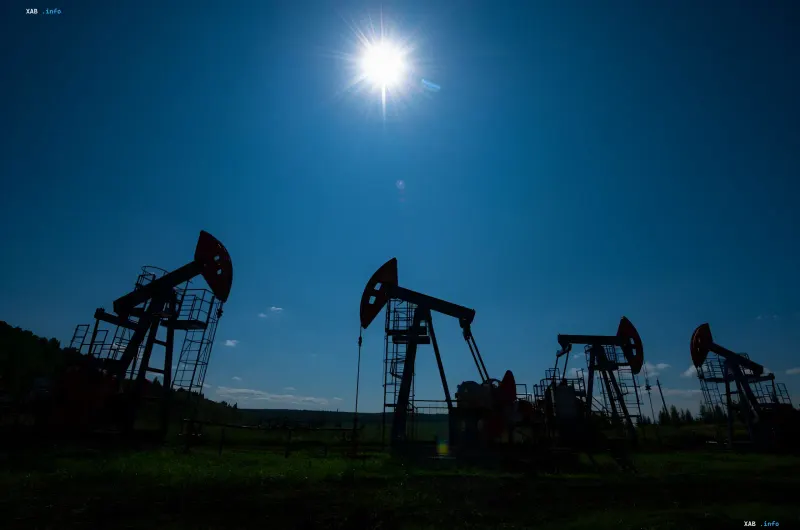
In June 2026, the Russian energy sector faced an unprecedented paradox: physical shipment volumes reached a historic high since the start of the conflict, yet foreign currency revenue from these operations fell to its lowest levels in recent months. According to tanker fleet monitoring data from Bloomberg, the average daily volume of crude oil sea exports between June 1 and 28 was 4.13 million barrels. This is 780,000 barrels per day higher than the average for the first quarter of the current year.
Reasons for the Record Influx of Raw Materials
The main driver of the sharp export growth was not so much market conditions as the forced restructuring of domestic logistics. Analysts note that the key factor was the reduced utilization of Russian oil refineries (ORs). Damage to production infrastructure meant that significant volumes of oil remained unrefined within the country. Instead of remaining in reserves, this raw material was promptly redirected to export terminals in the Baltic and Black Seas, creating a powerful impetus for shipments.
Price Collapse and Competition in the Global Market
Despite record volumes, the financial result was disappointing: the total weekly revenue of suppliers dropped to $1.9 billion — the lowest figure since March 2026. This was the result of double pressure on prices. First, Middle Eastern oil returned to the market. Stabilization in the Middle East, the resumption of shipping through the Strait of Hormuz, and the start of consultations between the US and Iran allowed Iran to resume large-scale supplies to Asia. Large VLCC-class tankers departing from Iranian ports created stiff competition for Russian suppliers.
Second, price indicators demonstrated negative dynamics. According to Argus Media data, by the end of June, the cost of Russian Urals oil in Baltic ports decreased, while the price of the ESPO grade in the Pacific adjusted downward following global benchmarks. For comparison: Brent prices settled at around $72.35 per barrel, and WTI at around $69.82.
Logistical Deadlock and the "Oil Sea"
The increase in shipments without guaranteed buyers led to the formation of a huge stockpile of raw materials in transit. International ship tracking systems recorded a record accumulation of oil on floating storage facilities and tankers in the open sea — 133 million barrels. This figure is 34% higher than in mid-April 2026.
The main zones of ship accumulation shifted to the area of Marsa el-Hamra port in Egypt and the Riau archipelago near Singapore. Such concentration of the fleet indicates an extension of the time required to find final buyers and an increase in waiting times for unloading. Under conditions where tankers are idling in waiting, the profitability of export operations is plummeting.
Factor of Regulatory Restrictions
Additional tension in logistics chains was created by the expiration on June 17, 2026, of the validity period of temporary waivers issued by the US Department of the Treasury. Previously, these exemptions allowed a number of major Asian counterparties, specifically Indian refineries, to increase purchases of Russian raw materials. At present, no official comments have been received regarding the extension of these benefits. This forces market participants to seek alternative suppliers, which, combined with the excess supply of Russian oil against the backdrop of the return of Iranian volumes, creates prerequisites for further price declines and a drop in export profitability.


