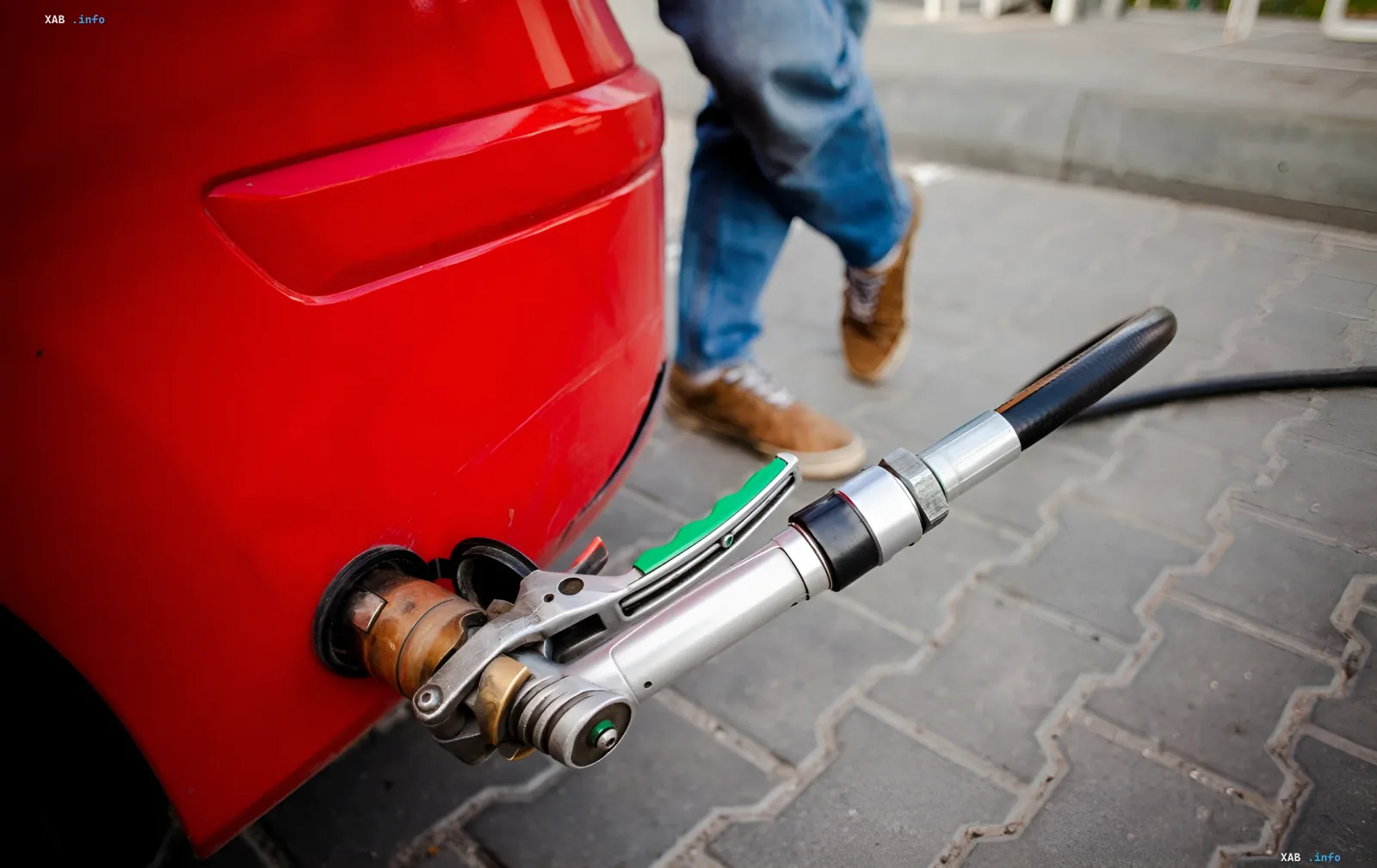
Liquefied Petroleum Gas (LPG) is currently one of the most affordable types of automotive fuel in Ukraine. It can be found at almost every gas station; however, statistics show a surprising paradox: only a third of Ukraine's transport is equipped with gas systems. Why are drivers not rushing to switch to eco-friendly and budget-friendly fuel, and what has changed in the rules of the game?
Shadow Fleet and Bureaucratic Barriers
It is difficult to name the exact number of gasified vehicles in the country. After the cancellation of mandatory technical inspections in 2011, law enforcement agencies effectively lost the ability to control the presence of gas equipment (GBO) in vehicles. As a result, a significant number of owners do not register the fact of converting their vehicles.
The situation was exacerbated by an order from the Ministry of Infrastructure in January 2020. Instead of the familiar Technical Expertise Act from a service center, owners were required to present a Certificate of Conformity. This document is issued by only a few organizations in the country, adding several thousand hryvnias to the cost of gasification. The consequences were immediate: the number of official GBO registrations dropped tenfold at the beginning of 2020, although the actual fleet of gas-powered cars did not decrease.
Statistics: From Records to Decline
According to the Institute for Automotive Market Research, based on Ministry of Internal Affairs data, in 2023, which was a successful year for gas users, equipment was installed on 37,800 gasoline vehicles. This meant that at its peak, every third new gasoline car was converted to gas.
However, in 2024, the number of registered installations dropped to 21,500, and this trend continues. Nevertheless, experts claim that today, at least half of all gasoline cars in Ukraine run on gas. Considering that diesel vehicles make up about 30% of the total number of passenger cars, it turns out that approximately one-third of the entire Ukrainian car fleet uses gas fuel.
Economics of the Issue: Where is the Benefit?
Five years ago, the question of the expediency of switching to gas was not even raised. By 2020–2021, fuel costs when using gas had been cut in half. LPG cost at the level of 40–50% of the price of A-95 gasoline, and in certain periods, it was almost three times cheaper. Despite the fact that gas consumption is 10–15% higher than gasoline, the average annual savings amounted to 40–50%. Installing a GBO paid off in a year and a half, and with commercial use—in a few months.
Today, as of mid-2026, driving on propane-butane is still profitable, and even more so than with other types of fuel. However, the gap in profitability is no longer as colossal as before. The only competitors to gas-powered vehicles today are hybrid cars.
Technological Difficulties and Myths
Auto expert Roman Matveyev, head of the Motor Gas project, notes that modern engines with direct fuel injection have become high-tech and difficult to convert to gas. Moreover, they consume both gas and gasoline, which makes the economic difference less noticeable against the backdrop of current prices.
Despite economic expediency, some drivers continue to harbor prejudice against LPG. If arguments were previously based on myths about explosiveness and smell, now the main arguments of GBO opponents are:
- Difficulty of installation on modern engines with direct injection.
- The need to use gasoline simultaneously.
- The reduction in the price difference between gas and gasoline.
It is worth noting that the state once actively stimulated the transition to gas. Until 2011, while a separate transport tax was in effect, owners of cars with GBO paid only 50% of the established rate. Today, despite the absence of direct benefits, gas remains the most accessible fuel for Ukrainian drivers.


