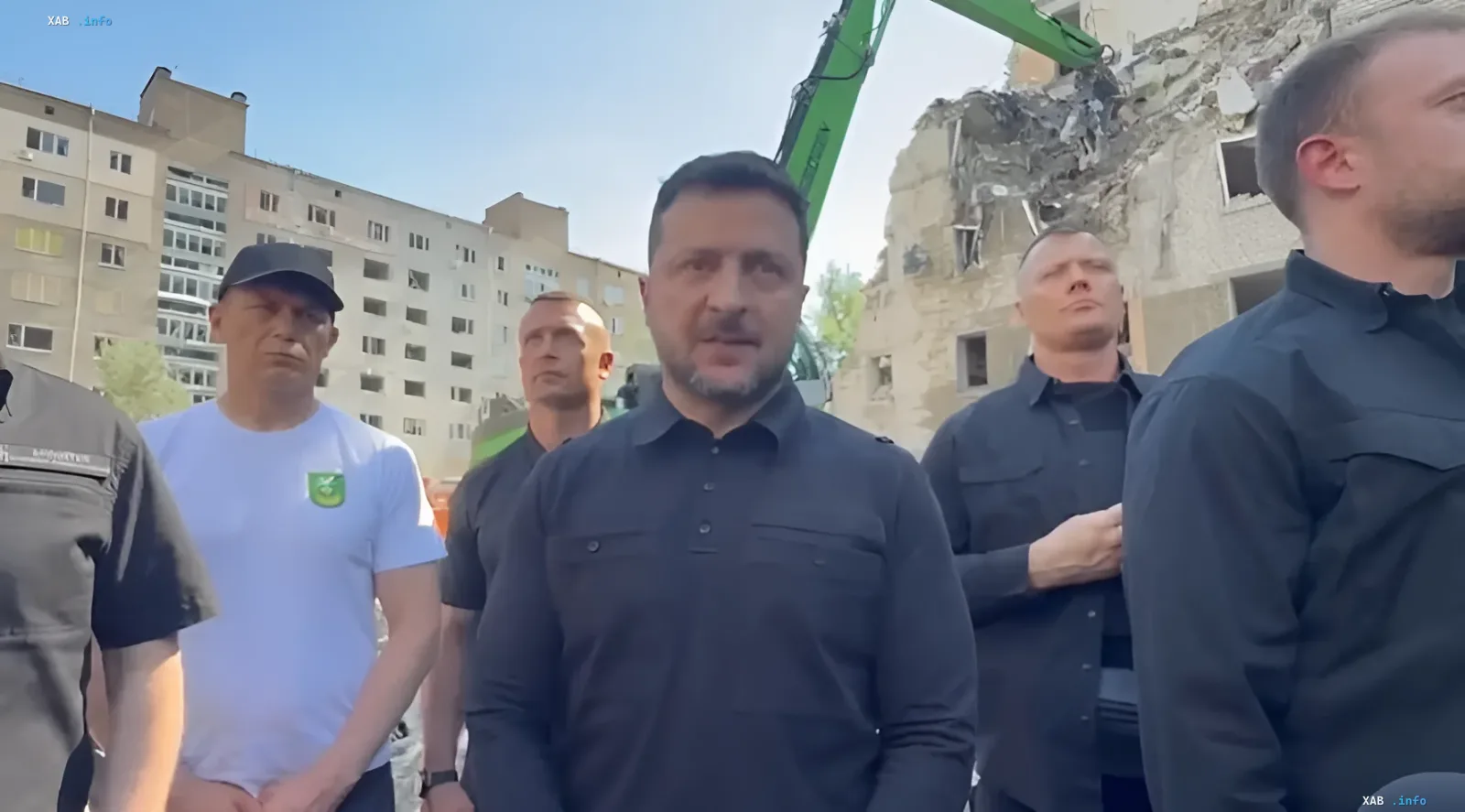
On the evening of July 2, 2026, the Darnytskyi district of Kyiv became the site where the tragedy of rescue operations intersected with harsh political reality. Ukrainian President Volodymyr Zelenskyy visited the scene of the aftermath of an air strike, where a combined attack had destroyed the entrance of a multi-story residential building. Against the backdrop of ongoing rescue work, the head of state made a statement that could become a key agenda item for the upcoming NATO summit in Ankara.
Shortage of Anti-Aircraft Guns and the Cost of Western Promises
After inspecting the aftermath of the attack, Zelenskyy avoided general phrases about support. He directly pointed to the causal link between the pace of weapon deliveries by Western partners and the scale of destruction. According to the President, adhering to the schedules for transferring medium- and long-range air defense systems is not just a bureaucratic fulfillment of obligations, but a critical factor in the survival of the civilian population.
The head of state emphasized that timely fulfillment of obligations would have significantly reduced the effectiveness of the enemy's mass attacks. In conditions where the shortage of anti-aircraft missiles is acutely felt, every day delayed in delivery turns into a risk to the lives of the city's residents. This position becomes central to the Ukrainian diplomatic mission on the eve of the North Atlantic Alliance summit, scheduled for July 7–8 in Turkey.
Situation on the Ground: Figures and Human Lives
While politicians discuss logistical schedules, round-the-clock work to clear debris continues in the Darnytskyi district. In one of the entrances, a through-and-through destruction of structural elements was recorded from the first to the ninth floor. Operational indicators for the evening of July 2 demonstrate both the successes of rescuers and the scale of the tragedy:
- Rescued: 17 people were evacuated from under the rubble and dangerous zones. Seven of them were freed directly from under the destroyed slabs. The State Emergency Service (SES) called this the maximum indicator of successful evacuation at a single object since the beginning of the full-scale conflict.
- Search Sector: Up to nine people may be trapped under construction debris. The work is complicated by the high risk of collapse of the surviving adjacent floors.
- Casualties: As of 17:30 on July 2, the total number of confirmed fatalities in the capital reached 21 people, and more than 85 citizens were injured.
In connection with the incident, July 3 was declared a day of mourning by order of the Kyiv City State Administration (Kyiv City Council).
Humanitarian Aspect and International Law
The events in Kyiv once again draw attention to the norms of international humanitarian law. In accordance with Article 51 of Additional Protocol I to the Geneva Conventions of 1949, the civilian population must not be the object of attack. Ensuring the protection of megacities with air defense means is viewed today not just as a military necessity, but as a basic humanitarian task. It is in this context that Zelenskyy is updating requests for the delivery of additional Western-style SAM batteries and a steady supply of ammunition for them.


