
Geopolitical tensions in the Persian Gulf have escalated into concrete economic sanctions. The US Department of Treasury has officially revoked a special license that previously allowed international partners to trade Iranian oil. This decision serves as a direct response to a series of tanker incidents in the Strait of Hormuz.
License Revocation and Transition Period
The Office of Foreign Assets Control (OFAC) of the US Treasury Department terminated the general license that had been in effect since June 21. The document permitted the production, supply, and sale of Iranian crude oil, petroleum products, and petrochemical products. Effectively, the authorization lost its force on July 7, although US authorities provided a transition period until July 17 to complete already initiated operations.
An American official, commenting on the situation, stated that Iran's actions in the Strait of Hormuz are "absolutely unacceptable" and will inevitably lead to consequences. This is a strong signal to the market that Washington is prepared to use economic leverage in response to threats to shipping.
Incidents in the Strait and Market Reaction
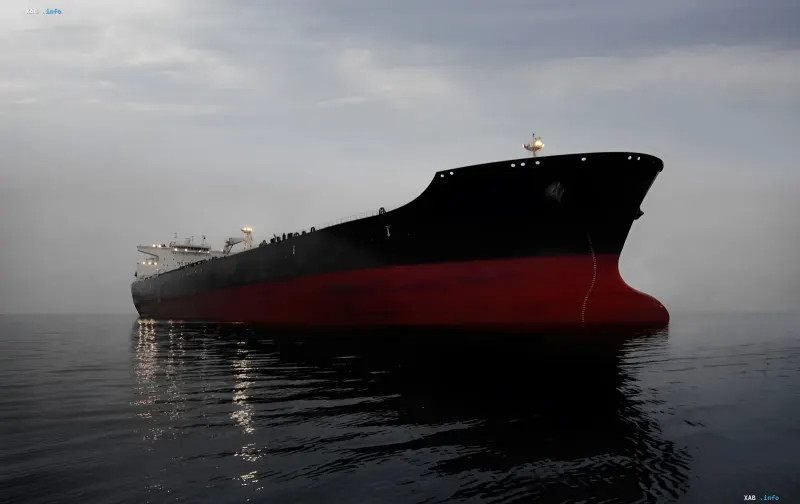
The trigger for tightening sanctions was reports from the UK Maritime Trade Operations (UKMTO). In recent days, three tankers reported being hit by unidentified projectiles in the waters of the Strait of Hormuz or in its vicinity. Tehran has not officially commented on these incidents nor admitted involvement in the attacks.
The market reacted instantly and painfully to the news. Against the backdrop of the US decision, oil prices surged by more than 5%. Experts warn that prolonged disruptions to vessel traffic through this strategically vital strait could lead to further increases in energy prices. This will create additional pressure on governments and consumers worldwide, who are already facing rising fuel costs.
Economic Risks for Iran
For Iran, the revocation of the license carries serious financial threats. Oil exports remain one of the main sources of foreign currency earnings for the country. Despite previous restrictions, Tehran has successfully increased supplies in recent years, focusing primarily on the Chinese market. New restrictions could significantly intensify pressure on the Iranian economy and state finances.
Negotiations Amidst Threats
Paradoxically, amidst the escalation and introduction of sanctions, representatives of Washington and Tehran continue to work on a final agreement. The sides are discussing the possibility of limiting Iran's nuclear program in exchange for a partial easing of sanctions, including the liberalization of oil exports.
On July 1, another round of indirect negotiations concluded in Qatar. US President Donald Trump stated that there was certain progress regarding the nuclear program, however, key disputes over financial and territorial issues have not yet been overcome. The market remains cautious: although oil prices have almost returned to pre-war levels following the cessation of mutual strikes, shipping safety and the fate of the agreements remain highly uncertain.


