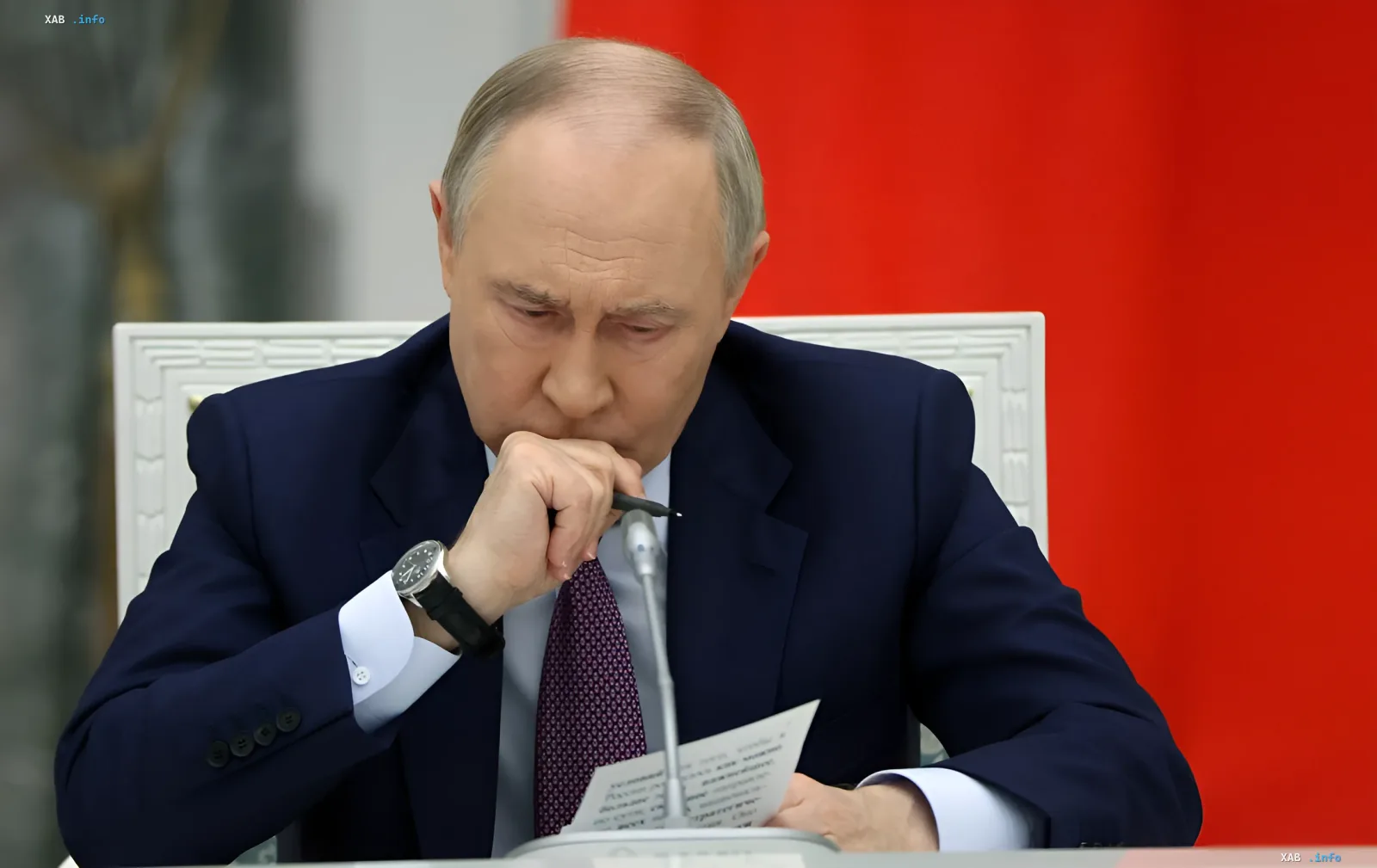
One of the main economic achievements that Vladimir Putin has boasted about for years was the low level of public debt. Russia positioned itself as a country with one of the most resilient budgetary systems among G20 members. However, the protracted war against Ukraine is radically changing this picture. Today, the Kremlin is forced to rapidly increase borrowing to finance military operations, which threatens the state's financial stability.
The Budgetary Abyss: Figures They Don't Hide
According to Bloomberg analysts, over the next ten years, Russia will be forced to spend at least 15% of its GDP solely on servicing public debt interest. For comparison: this amount is roughly equal to the country's current total debt. While debt servicing was previously a manageable expense, it is now becoming a heavy burden on the economy.
The situation is exacerbated by the fact that domestic borrowing will rise again this year. The war machine requires a constant influx of funds, and the government is forced to find them through new loans. Preliminary calculations show that military spending in 2026 could exceed the planned amount by 4–5 trillion rubles — almost 40% more than initial forecasts.
The 2026 state budget planned to raise just over 4 trillion rubles through domestic borrowing. However, in just the first five months of the current year, the budget deficit has reached 6 trillion rubles, or 2.6% of GDP. This is 60% higher than the target figure set for the entire year.
The Limit Reached: What's Next?
Russia has already reached the statutory limit on public debt. According to government sources, to cover the gap, an additional 2–3 trillion rubles will have to be raised through new borrowing. Meanwhile, the cost of servicing the debt has doubled since the start of the full-scale war. In 2026, nearly 4 trillion rubles are planned for these purposes — about 9% of the entire federal budget.
Economy Under Pressure: Consequences for the Population
The Kremlin's financial difficulties are directly affecting the daily lives of Russians. The country's economy continues to slow down against the backdrop of the protracted war and regular Ukrainian drone strikes on military, fuel, and industrial infrastructure. The fuel shortage is felt particularly acutely, which, according to media reports, has already affected 70 regions of the country.
Many gas stations have introduced restrictions: gasoline is only dispensed into the vehicle's fuel tank, refusing to fill jerry cans. This indicates serious strain on logistics and fuel production. According to media reports, due to the acute shortage, Russia will begin importing automotive fuel from Asia as early as this month — a step previously considered economically unfeasible.
Conclusion: The Price of Victory
The war against Ukraine is not only changing the geopolitical landscape but also destroying Russia's economic foundations. Low public debt, which was a symbol of financial stability, has turned into a survival tool. While the Kremlin tries to balance between military spending and social obligations, the population faces real consequences: rising prices, resource shortages, and a decline in the quality of life.
The question is no longer whether Russia can withstand these costs, but at what price this will come for the country and its citizens.


