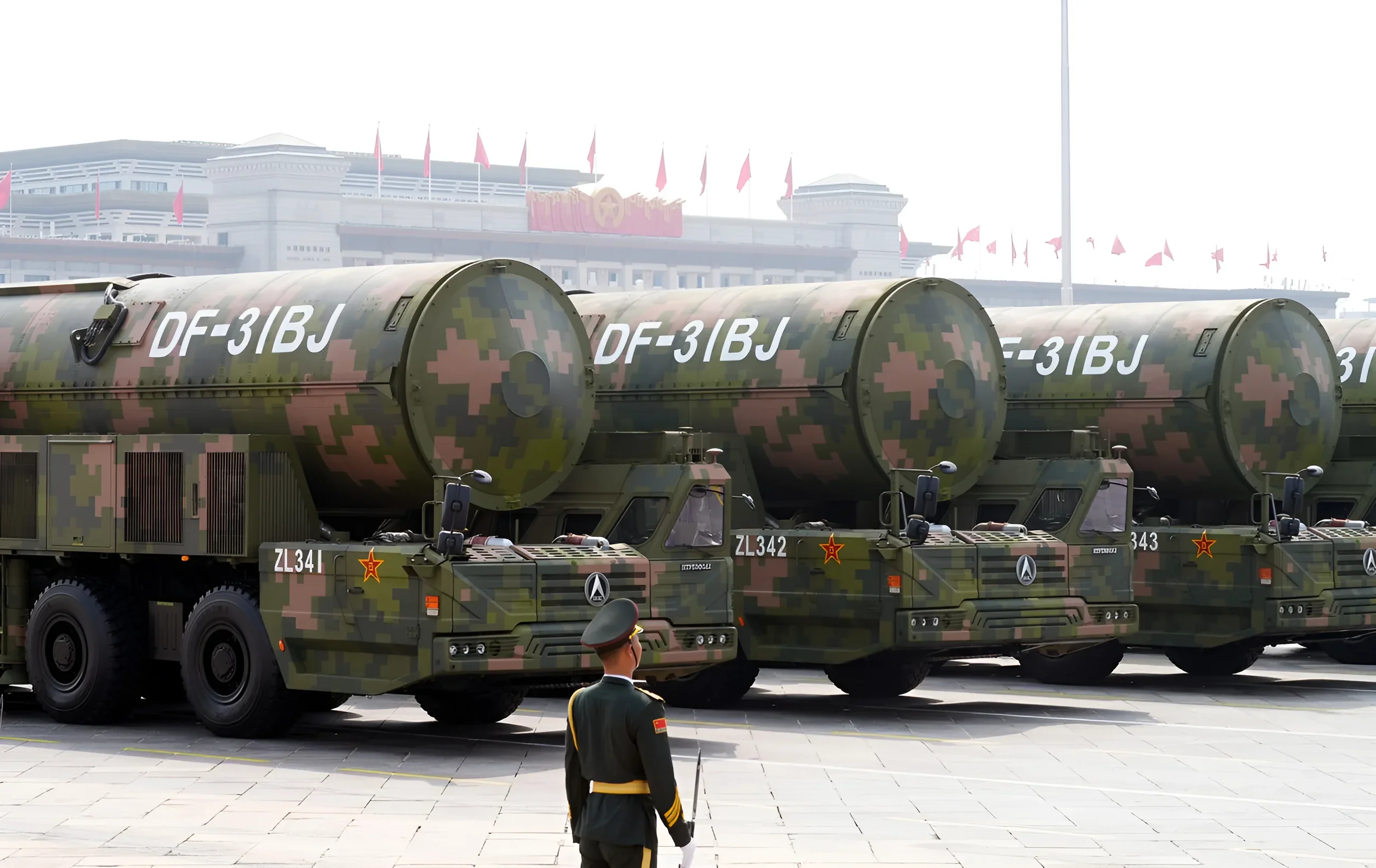
The world stands on the brink of a new, incredibly dangerous arms race, where the stake is the very existence of the strategic balance. According to alarming data from the International Institute for Strategic Studies (IISS), any serious armed conflict between the US and China over Taiwan is highly likely to escalate into a nuclear confrontation. This is no longer just theoretical forecasting; it is a scenario that military experts are beginning to perceive as a real threat.
Targeting the Command Center
The essence of the problem lies in the logic of modern warfare. In the event of a clash, both sides will strive for the instant paralysis of the enemy's command. The primary targets will be communication centers and military command nodes. In conditions where every second counts, the threshold for using tactical nuclear weapons could be crossed much faster than political leaders realize.
China views Taiwan as an inseparable part of its territory and is prepared to use any means to prevent its independence. The US, in turn, seeks to strengthen the island's defense capabilities. So far, neither side is ready to publicly discuss "defense mechanisms" — rules that could limit strikes on critical infrastructure and prevent uncontrolled escalation.
The Indo-Pacific: A New Chessboard
The Indo-Pacific region has definitively become the epicenter of the arms race. While the US and Russia possess colossal arsenals, China is demonstrating the most rapid pace of nuclear potential expansion. According to Pentagon estimates, by 2030, Beijing will deploy around 1,000 warheads, radically changing the balance of power.
Particularly concerning is the fact that non-nuclear countries in the region are also actively purchasing long-range weaponry, creating a complex mosaic of threats and questioning strategic stability.
Diplomacy on the Brink
These conclusions were voiced on the eve of the "Shangri-La Dialogue" summit in Singapore. At this meeting, where defense ministers, generals, and intelligence chiefs will gather, discussions will cover not only Taiwan but also the deterioration of relations between Israel and Iran, as well as doubts regarding the reliability of US security guarantees.
The political backdrop remains tense. US President Donald Trump, following a meeting with Xi Jinping, stated his reluctance to support Taiwan's independence; however, Chinese leadership warns that any "wrong decisions" on this issue could lead to direct conflict. The world is watching closely to see how this dangerous game will unfold.


