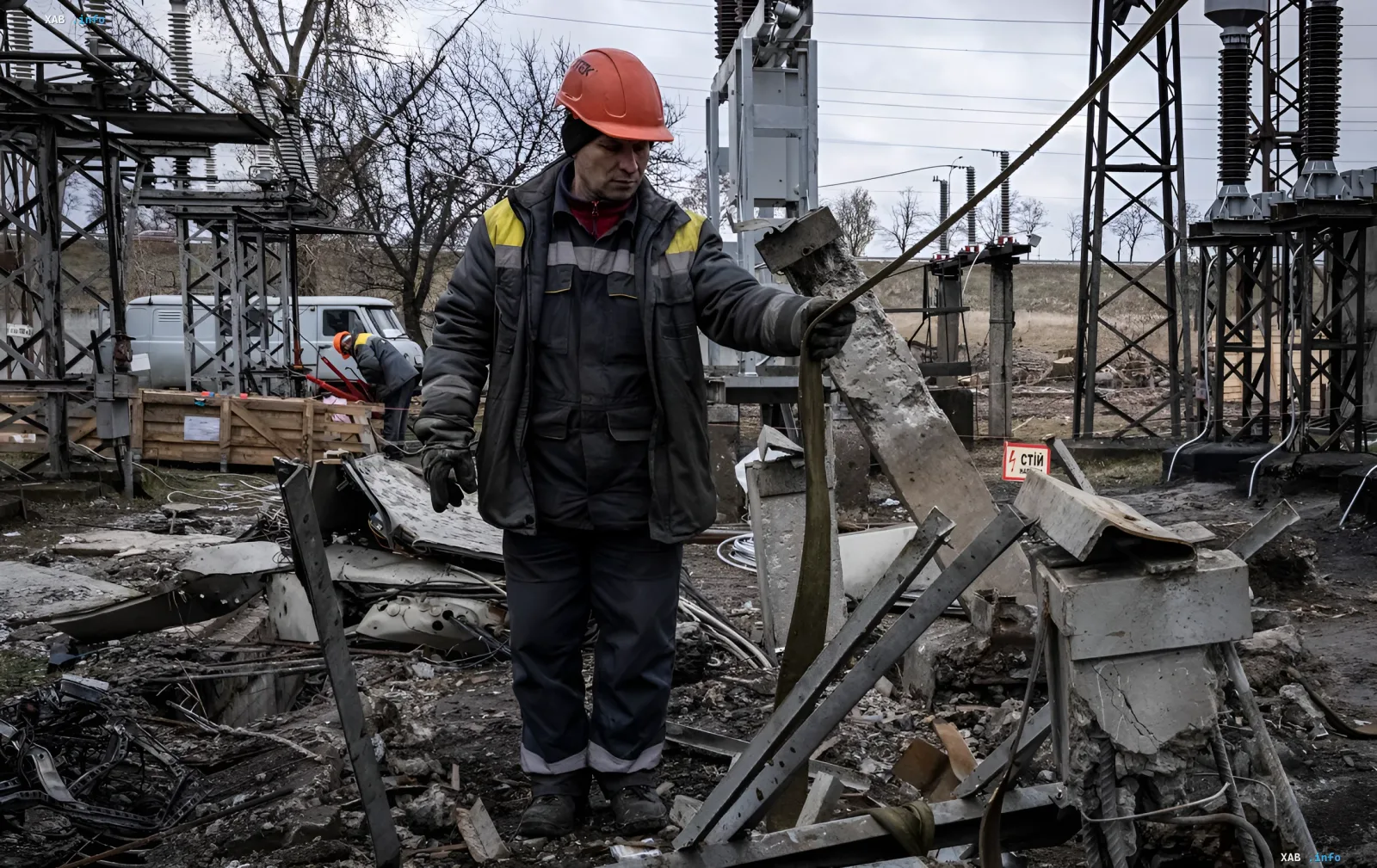
On Sunday, June 7, Russian occupiers launched two strikes against a DTEK mine in the Dnipropetrovsk region. As a result of the attacks, one of the enterprise's employees—a mechanic—was injured and is currently receiving necessary medical assistance.
According to DTEK, the first attack involved a drone that hit the area near the mine. The second attack damaged the enterprise's life-support systems. Restoration work is currently underway.
This is already the third attack on this enterprise in recent days. The day before, on June 6, mine worker Yuriy Filippov was killed on his way to work—he became a victim of a drone strike.
On the night of June 7, Russia launched 236 attack drones against Ukraine. Air defense forces managed to shoot down most of them, however, some drones still reached their targets. Among the affected regions is Zaporizhzhia, where partial power outages have been recorded due to the attacks.
In the morning of June 7, the enemy continued to terrorize the Zaporizhzhia region, using both drones and KAB aviation bombs. Residential buildings, railway infrastructure, and other civilian objects were hit. There are casualties among the civilian population.
Consequences of attacks for energy and population
Attacks on energy facilities, such as DTEK mines, directly affect the stability of power supply in the region. Damage to life-support systems can lead to a halt in coal mining, which in turn creates risks for the operation of thermal power plants.
Under conditions of ongoing air attacks, residents of the region are forced to live in conditions of increased danger. Partial blackouts, destruction of infrastructure, and the death of civilians—all this is becoming part of the daily reality for many Ukrainians.


