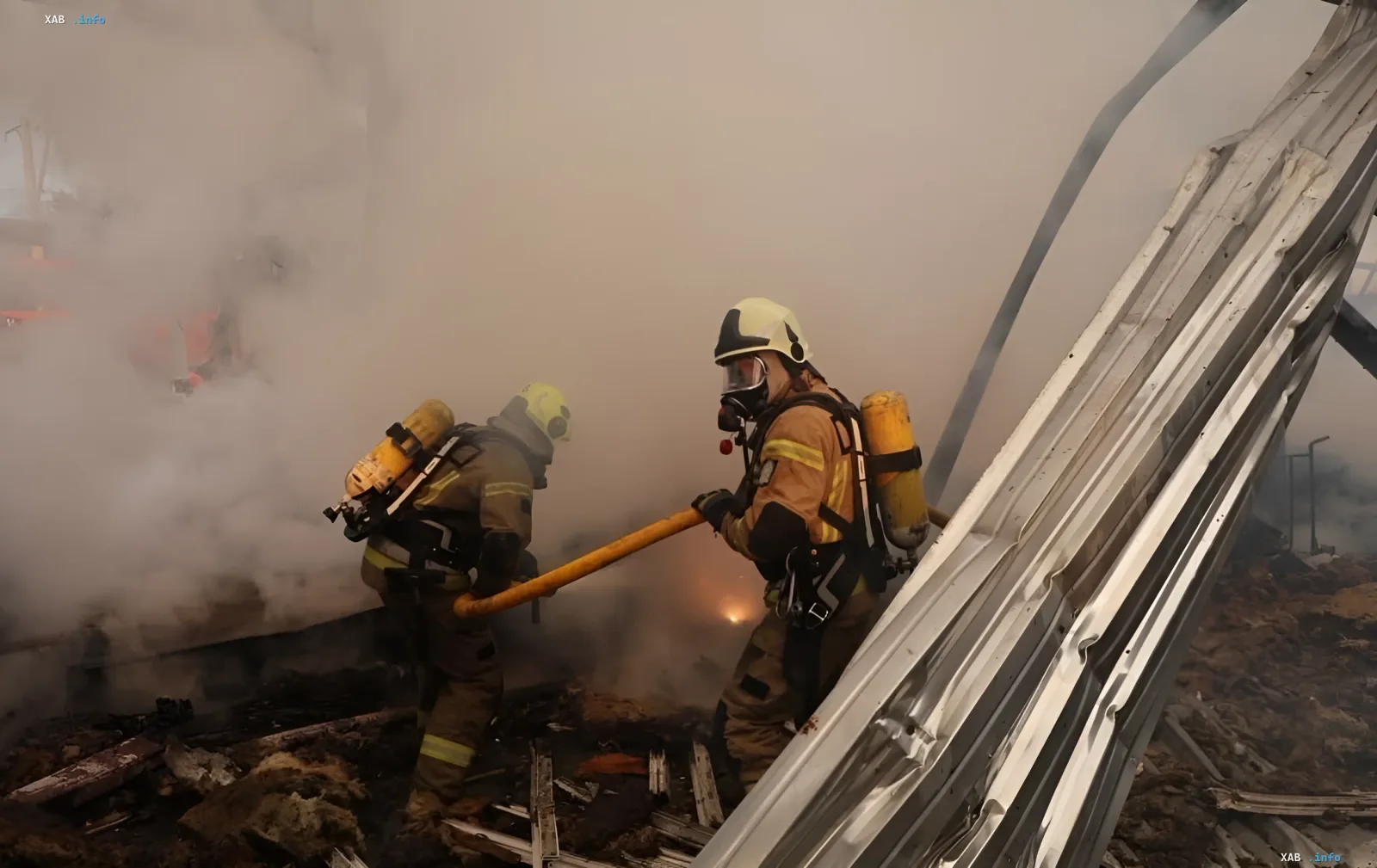
On the night of July 11, the capital of Ukraine experienced a large-scale attack, marking the third such incident in the current week. Russian forces struck Kyiv using a wide range of weaponry: over 120 attack drones and 12 missiles, half of which were ballistic. As a result of the shelling, fires broke out in the city, damaging residential buildings, office buildings, and a theological seminary.
Scale of the attack and air defense operations
According to the National Police and the State Emergency Service, air defense forces intercepted most of the targets but failed to completely prevent the impact of ballistic missiles. The strikes hit the Solomianskyi, Darnytskyi, and Dniprovskyi districts of the capital. A particularly dangerous factor was the inability to reliably shoot down ballistic missiles, which led to destruction in residential areas.
Consequences for the population
As a result of the night attack, 11 people were injured, including a child. Injuries were sustained even before the official air raid siren was sounded, as strikes on civilian infrastructure had already begun. Emergency services are working at the scene to mitigate the consequences, extinguish fires, and assist the injured.
Government response and international context
Ukrainian President Volodymyr Zelenskyy, in his statement, emphasized the need to accelerate the fulfillment of promises made by Western partners. He called for the rapid implementation of agreements reached at the NATO meeting, including the provision of licenses for the Patriot air defense system and the launch of a joint European project to protect against ballistic missiles.
Situation in other regions
The mitigation of the attack's consequences is continuing not only in Kyiv. Fires and destruction have also been recorded in the Odesa, Sumy, Kharkiv, and Chernihiv regions. Emergency services continue to work in all affected areas.


