
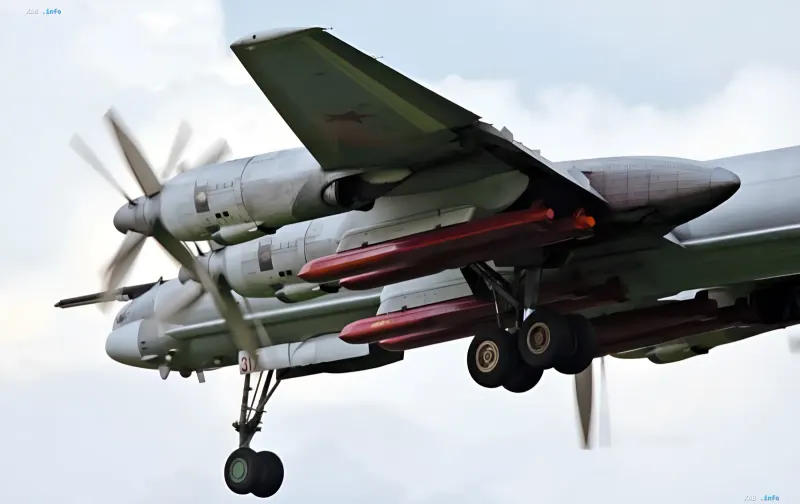
During a meeting of the Ukraine-NATO Council in Kyiv, President Volodymyr Zelenskyy presented alarming data regarding the production capacity of the Russian military industry. The head of state stated that Russia has the capability to produce approximately 120 ballistic missiles monthly. According to him, this figure does not include other types of weaponry, which collectively allows Moscow to regularly launch large-scale mass strikes against Ukrainian territory.
Critical security threat
Zelenskyy emphasized that it is precisely the high production rates of ballistic missiles that create a constant danger for Ukrainian cities. The President called this factor the most critical for the country's security at the current stage of the conflict. "Obviously, this is the biggest threat we are facing right now," he noted in his address to the meeting participants.
The Ukrainian leader's words came against the backdrop of a large-scale combined attack that the country suffered the day before. As a result of just one massive strike, 23 people were killed, including children. According to data cited by the President, during the night the enemy deployed more than 650 drones, and during the day — another 100. Despite the huge number of unmanned aerial vehicles, Zelenskyy focused on the fact that missiles remain the most dangerous threat.
Intelligence data on RF stockpiles
Previously, the Main Directorate of Intelligence of the Ministry of Defense of Ukraine (GUR MoD) published reports confirming the scale of the adversary's arsenal. As of the summer of 2025, Russia had accumulated more than 1,950 strategic missiles of various types. The structure of the stockpiles included:
- up to 500 Iskander-M ballistic missiles;
- about 300 Iskander-K cruise missiles;
- hundreds of Kh-101, Kh-22/Kh-32, and Kalibr missiles;
- up to 150 Kinzhel hypersonic missiles.
In addition, Moscow had thousands of Shahed-136 attack drones and their imitators in service. During that period, intelligence estimated the monthly missile production rates in the RF at around 195 units.
Strategic plans of the adversary
In June 2026, Volodymyr Zelenskyy, relying on GUR reports, warned of a change in attack tactics. According to the President, the Kremlin plans to focus efforts on striking specific Ukrainian defense enterprises. In Moscow, Kyiv's ability to independently develop missile technologies, in particular — to produce its own ballistics and interception systems for them — is considered a strategic threat.


