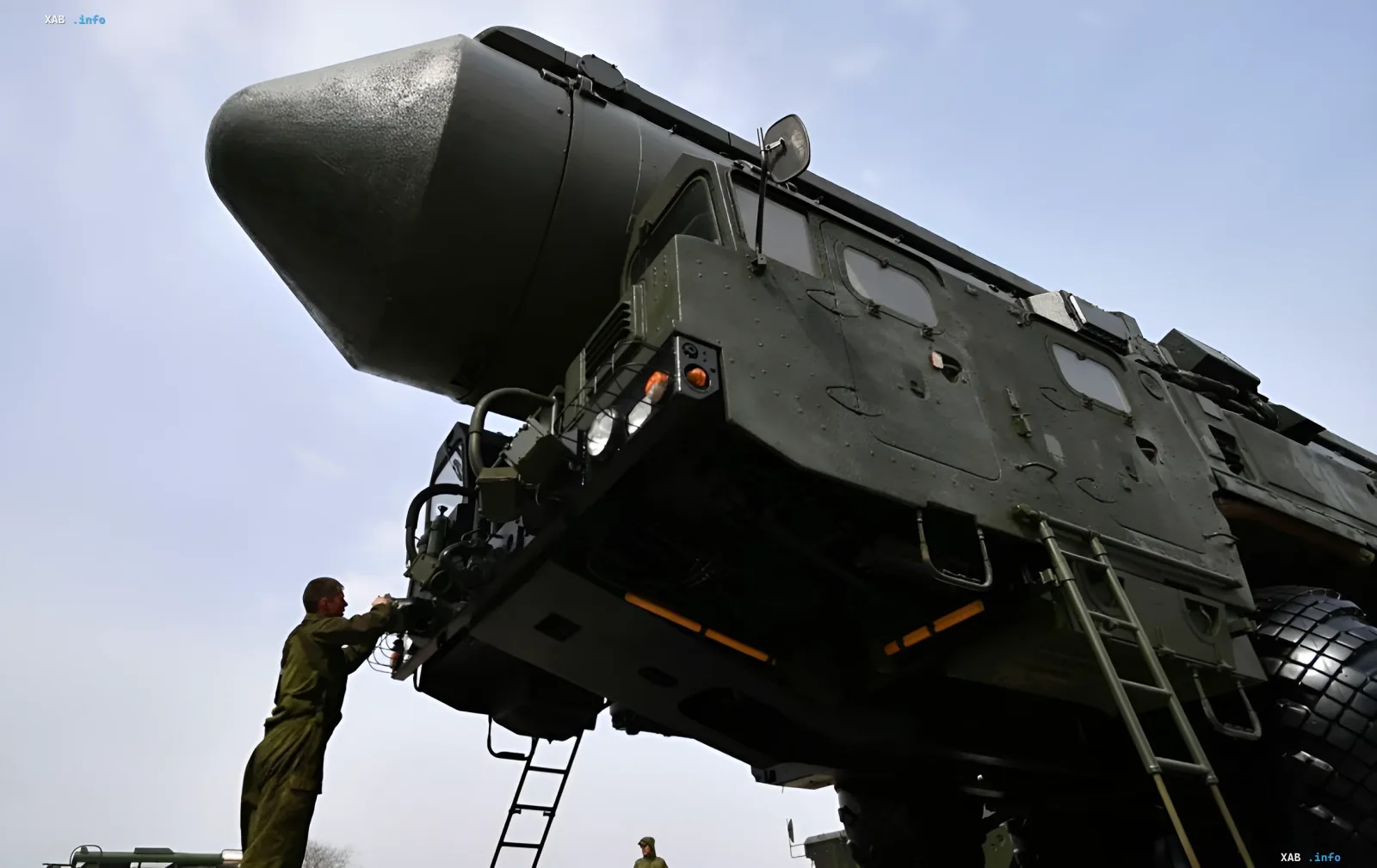
Ukraine finds itself in a zone of heightened danger. On Friday, June 12, the Air Force of the Armed Forces of Ukraine (AFU) issued an alarming warning: there is a high probability that the adversary will use a medium-range ballistic missile. According to military data, the launch could be carried out from the Kapustin Yar test range.
Alarm Signal and Air Defense Limitations
The statement, published in the Air Force's Telegram channel, contains a direct appeal to all Ukrainians not to ignore air raid alarms over the next 24 hours. The situation is complicated by the fact that Kyiv currently lacks its own technical means capable of detecting the launch of an 'Oreshnik' missile at the initial stage.
Anton Zemlyanoy, a senior analyst at the Ukrainian Center for Security and Cooperation, explained in a conversation with RBC-Ukraine that the detection systems available to the AFU can 'see' the threat practically just before the strike, when reaction time will be measured in minutes.
Operational Experience: The Strike on the Night of May 24
The relevance of the warning is confirmed by recent events. On the night of May 24, Russia launched a massive combined strike against Ukrainian territory. According to official data from the Air Force, the adversary launched 600 unmanned aerial vehicles of various types and 90 missiles. The attackers' arsenal included new 'Oreshnik' ballistic missiles.
Ukrainian President Volodymyr Zelenskyy confirmed the use of two such missiles that evening. One hit the Bila Tserkva area, and the second hit the temporarily occupied territory of the Donetsk region.
'Test' Strike: Reality vs. Propaganda
The Russian leadership justified the choice of target in Bila Tserkva with pragmatic considerations. As the Russian leader stated, the strike on a 'shed' was carried out to 'see how the blocks fall.' According to him, the location was chosen specifically to make it convenient to evaluate the results of the warhead's work.
This incident debunked many myths created by Russian propaganda. Previously, the 'Oreshnik' was attributed with extraordinary destructive power and the ability to strike strategic objects at great depth. However, the real consequences of the attack and the results of independent studies cast doubt on these claims.
Production and Future Threat Prospects
Despite the limited arsenal, the situation remains tense. According to available information, Russia may have moved to small-series production of 'Oreshnik' missiles. This means that, although the number of such munitions is currently small, the threat of their use in the future could become more systematic.


