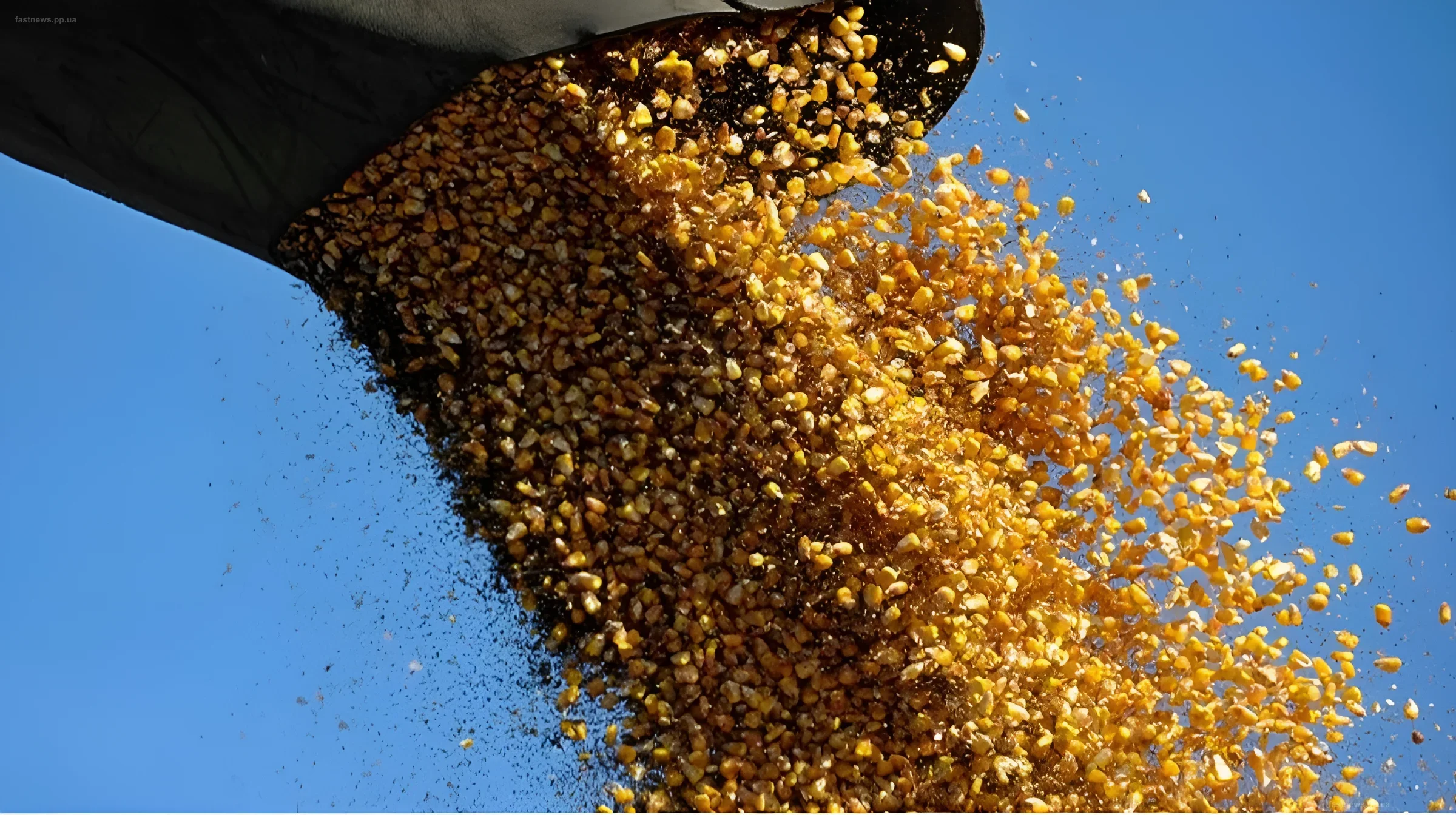
Amid hopes for resolving trade disputes, the situation at the borders of the European Union has intensified. Hungary, Poland, and Slovakia have effectively opposed Brussels by continuing to block the import of certain types of agricultural products from Ukraine. This occurs despite direct demands from the European Commission and the provisions of the updated Deep and Comprehensive Free Trade Area (DCFTA) Agreement.
Politics Over Rules
An official EU representative confirmed that the prohibitive measures were initiated by these three states: Warsaw, Budapest, and Bratislava. Experts and officials note that the real reasons for this step lie not in economic security but in political expediency. After all, the trade agreement currently being violated contains mechanisms to protect the EU's internal market, which could have been legally activated in the event of genuine threats to local farmers.
Pressure from Brussels
The European Commission is not willing to tolerate unilateral decisions that undermine market unity. EU authorities are actively engaging in dialogue with the three offending countries, urging them to abandon administrative barriers and move towards regulation within the framework of the DCFTA. Previously, the European Commission had already called on Hungary and other partners to lift restrictions as early as October 2025, immediately after finalizing the new agreement.
Example of Neighbors
The situation demonstrates different approaches among member states to solving problems. Romania and Bulgaria, which had previously imposed bans, have already transitioned to a civilized system of import licensing coordinated with Ukraine. This proves that a way out of the deadlock is possible. Nevertheless, in the case of Hungary, Poland, and Slovakia, the conflict remains open, despite the fact that Hungarian Prime Minister Péter Magyar had previously publicly announced a ban on a significant portion of agricultural products.


