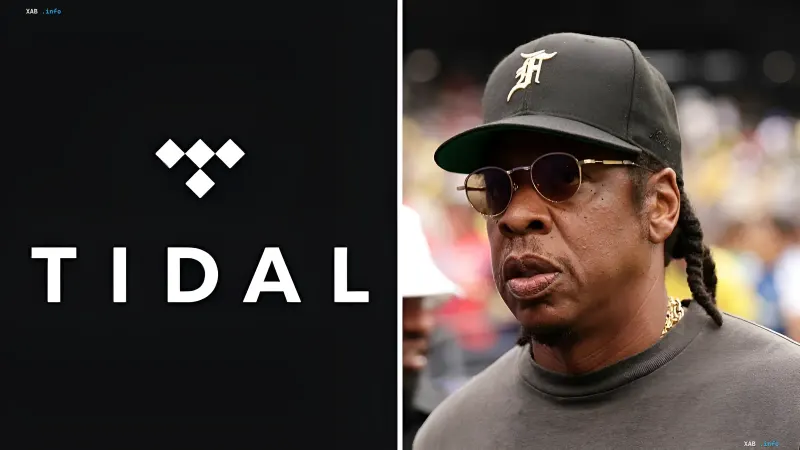
Streaming service Tidal, co-owned by rapper and businessman Jay-Z, has announced a major policy shift regarding content: the platform is banning all music it deems to be entirely created by artificial intelligence. According to Tidal, the measure takes effect on December 9 and is aimed at strengthening fairness and economic growth within the music industry amid the rapid development of generative AI technologies. The decision comes in response to the proliferation of tools that allow for the creation of compositions based on text prompts and which, according to the company, are changing the very methods of music production and distribution.
From tagging to removal: escalating policy
Robert Anderson, head of Tidal at parent company Block, explained the logic behind the transition to stricter measures in a post on X. A few months ago, the service limited its actions to tagging fully AI-created tracks and demonetizing them to protect the authenticity of works by real artists. However, according to Anderson, this proved insufficient: over the last 90 days, the platform saw an influx of tracks, 43% of which were identified as AI-generated. "We need to do something more radical," he stated, adding that Tidal will begin removing all entirely AI-created tracks from the catalog, and by the start of the year, he says they should be completely wiped from the platform.
Numbers that drove the radical step
The scale of the problem indicated by the company is truly impressive. According to Tidal data, 96% of all AI-generated songs receive zero streams, which, according to the management's logic, makes them dead weight that bloats the catalog without real value for listeners. As a result of the new policy, the service plans to remove approximately 29 million tracks. Meanwhile, Tidal is reportedly already rejecting between 80,000 and 85,000 songs daily, indicating that the stream of uploaded AI content remains enormous and requires constant filtering.
What this means for the industry and competitors
Tidal's decision sets a new benchmark for the entire streaming audio market: if the largest service associated with the Jay-Z name chooses a total ban rather than just tagging, it could influence the expectations of artists, labels, and listeners regarding other platforms. Now the key question is the reaction of major competitors — Apple Music, Amazon, and Spotify — who have yet to announce comparable measures. Their position will determine whether the ban on AI music becomes an industry standard or remains a unique position held by Tidal.