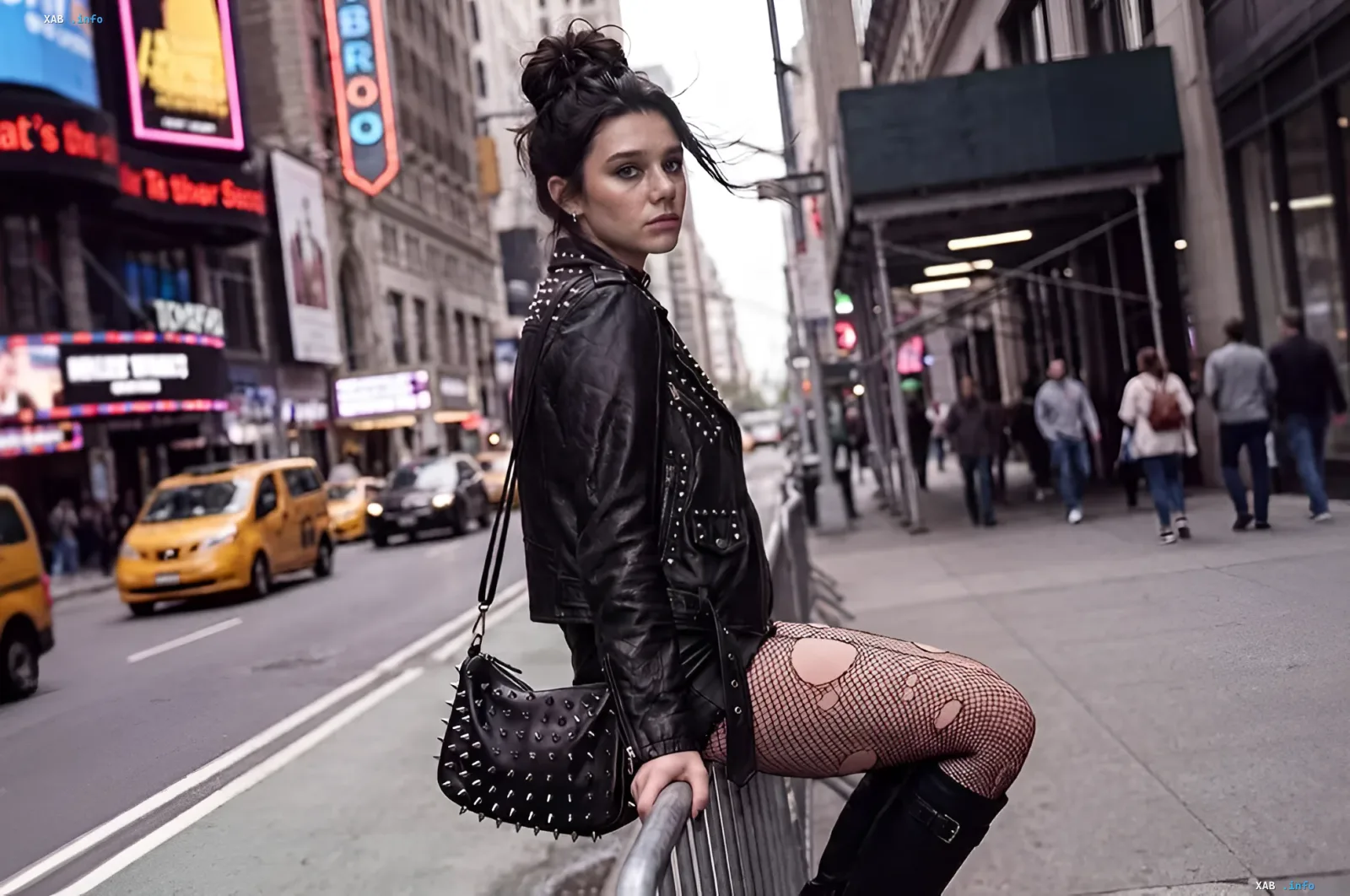
British independent studio Particle 6 has officially announced a project that could revolutionize the entertainment industry. The company declared the start of production on a feature film tentatively titled "Misaligned." The lead role will be played by Tilly Norwood — a fully digital actress created using generative artificial intelligence technologies.
The project is positioned as a comedy-drama and will mark the first precedent in cinema history where a generated character serves as the central protagonist of a feature-length film. This event inevitably sparks a debate about the future of the acting profession and the boundaries of digital creativity.
Hybrid Filmmaking and a Plot About a Digital Entity
According to Particle 6's press release, the production process will follow a hybrid model. The production involves both traditional specialists — cinematographers, production designers, and sound engineers — and engineers working with generative adversarial networks (GANs) and large multimodal models.
The film's plot focuses on the story of a digital entity existing within cloud infrastructure. The heroine has no physical body or fixed biography but possesses access to vast arrays of user data and other people's life experiences. The conflict of the work revolves around Tilly's interaction with software from the internet's shadow sector, which stimulates the bypassing of basic algorithmic restrictions and the simulation of human needs.
Economic Benefits vs. Ethical Risks
The emergence of the digital avatar Tilly Norwood in late 2025 triggered a heated reaction within the global film community. The debate clearly divided industry participants into two camps.
Proponents of the technology, including representatives of the tech sector and independent producers, are betting on efficiency. They emphasize that using virtual actors allows for significant optimization of production budgets, reduced logistics costs, and expanded tools for directors when visualizing complex concepts.
However, unions and rights holders are taking a hard stance. In the context of SAG-AFTRA agreements, union representatives insist on strict regulation regarding the deposit and use of biometric data. The main risks, in their view, are linked to the potential replacement of human labor and the need for a clear delineation of intellectual property rights created without human participation.
Legal Vacuum and the Future of Copyright
The legal status of content fully generated by AI remains a complex issue. Currently, it is regulated by local legislation, such as the AI Act in the European Union, which requires mandatory labeling of synthetic media data.
According to current international copyright norms, objects created exclusively by generative algorithms without direct creative human participation are not subject to standard copyright registration procedures in most jurisdictions. This shifts the focus of legal protection to the source code and proprietary databases of developers, leaving the fate of "digital actors" in a zone of legal uncertainty.


