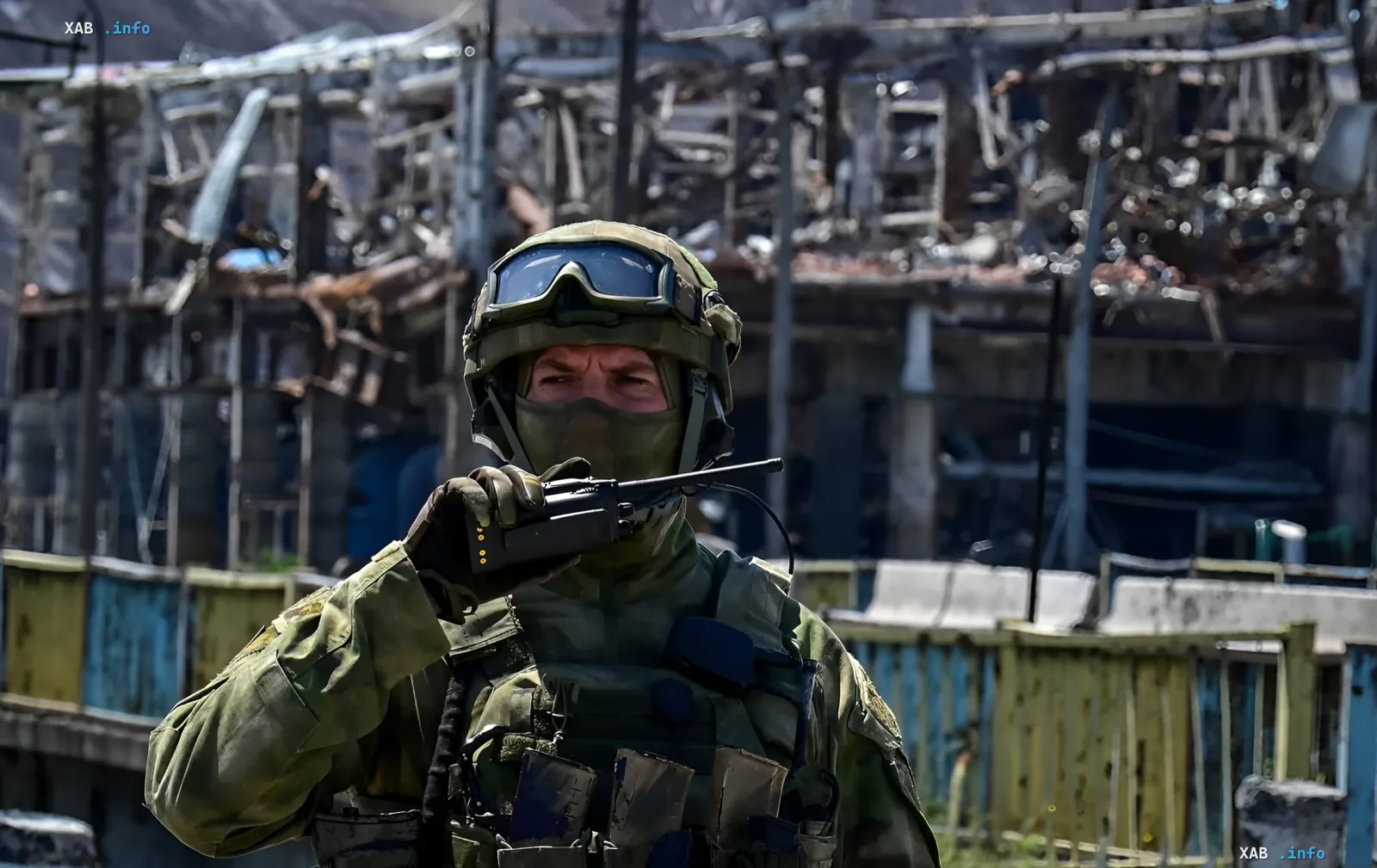
For the first time in years of full-scale war, the situation on the front lines has begun to shift in Ukraine's favor. The Russian offensive has slowed to its lowest level in the past year, while occupier casualties have reached record highs. This is evidenced by data published by RBK-Ukraine in the article "A chance for peace? Why Russia is stalling on the front and is Putin really ready to stop the war".
Record losses and declining efficiency
Russia loses about 35,000 servicemen every month — killed or severely wounded. The recruitment of contract soldiers barely fills this gap, indicating a critical situation for the army. At the same time, the cost of every kilometer of advance has risen sharply: if 67 soldiers were needed to capture one square kilometer last autumn, in April it was already 179.
"The inertial scenario of the war has tilted in our favor for the first time in a long time," notes a source in the Ukrainian leadership. This means that old methods of warfare no longer work, and new ones require risky steps from Moscow that it is not yet ready to take.
Political context and timelines for ending the hot phase
It is under these conditions that President Volodymyr Zelenskyy's words about the possible end of the active phase of the conflict by November — by the time of the US Congressional elections — become clear. Kyiv, according to sources, has long possessed strategic "cards" that Trump previously criticized, and is now methodically driving the enemy into a deadlock.
According to informed sources, Russia has found itself in a situation where traditional methods — mass mobilization, an invasion of the Baltics, or the use of nuclear weapons — are either impossible or too risky. "They are having a panic because they don't want mobilization — they are afraid of their own people. They don't want to seriously enter the Baltics — they are afraid of that too. They can't drop a nuclear bomb either. So, let's just bomb Kyiv," the publication quotes one of its interlocutors.
Missile threat and preparation for escalation
The only remaining advantage for Russia, according to experts, remains missile strikes, especially ballistic ones. In this regard, the Ukrainian capital should prepare for the fact that attacks similar to the one that occurred on the night of May 24 will become more regular.
President Zelenskyy called on the international community to increase political and economic pressure on Moscow, emphasizing that only in this way can systematic strikes on Ukrainian cities be stopped. Earlier, The Economist reported that Zelenskyy allegedly ordered preparations for another 2–3 years of war, however, sources in the government refuted this information, calling it an "old leak".
Conclusions: deadlock or new escalation?
The situation on the front lines and in the political arena indicates that Russia has exhausted its main options for achieving military goals without radical measures. The remaining tools — missile strikes and attempts at destabilization — carry high risks but may be used in the event of a complete loss of control over the situation. Ukraine, for its part, is using the current moment to strengthen its positions and prepare for a possible transition to peace negotiations.


