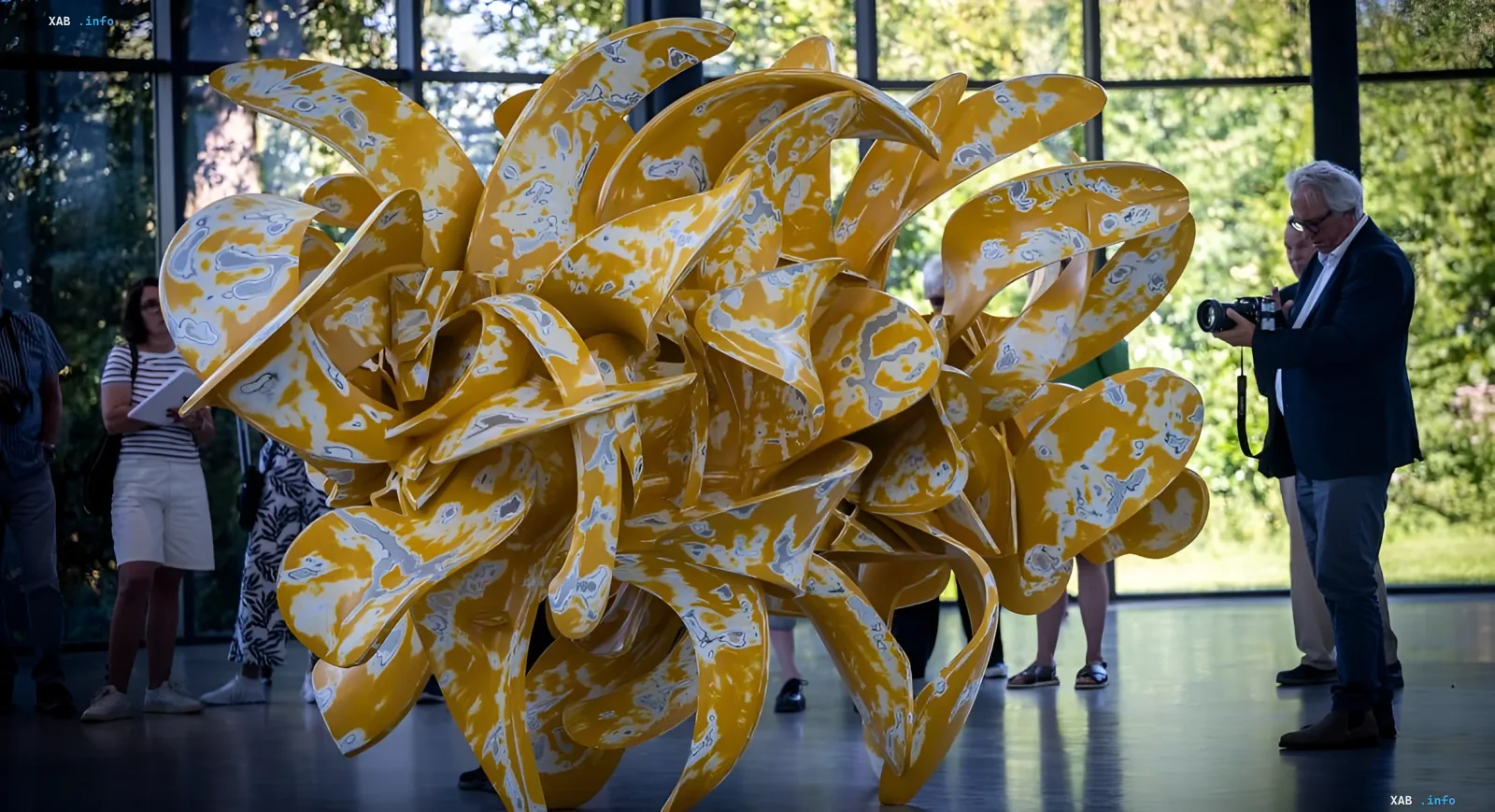
The Organizing Committee of the European Cultural Forum has officially announced the recipient of the 2026 European Cultural Prize. The award goes to the British-German sculptor Tony Cragg. This decision marks the culmination of years of recognition for his contribution to the transformation of plastic arts and the development of the continent's cultural landscape.
The award ceremony will take place on September 4, 2026, in Amsterdam. The event will be held in the legendary Royal Concertgebouw (Het Koninklijk Concertgebouw). According to Forum Chairman Rainer Schröckler, the prize is awarded for the master's innovative approach, which reinterpreted sculpture traditions and integrated them into the modern European context.
Anthony Douglas Cragg, born in 1949 in Liverpool, has a unique background: his basic education is in the natural sciences. Since 1977, he has lived and worked in Germany, in the federal state of North Rhine-Westphalia. Cragg's artistic method is based on a deep analysis of the molecular and tectonic structures of materials. He transforms bronze, wood, steel, and glass into monumental abstract forms that often evoke associations with natural landscapes and geological processes.
At the ceremony in the Netherlands, the laudatio will be read by Dr. Felix Krämer, Director General of the Kunstsammlung Düsseldorf art museum. This highlights the artist's close ties to the German art community, where he became not just a resident, but a key figure in institutional development.
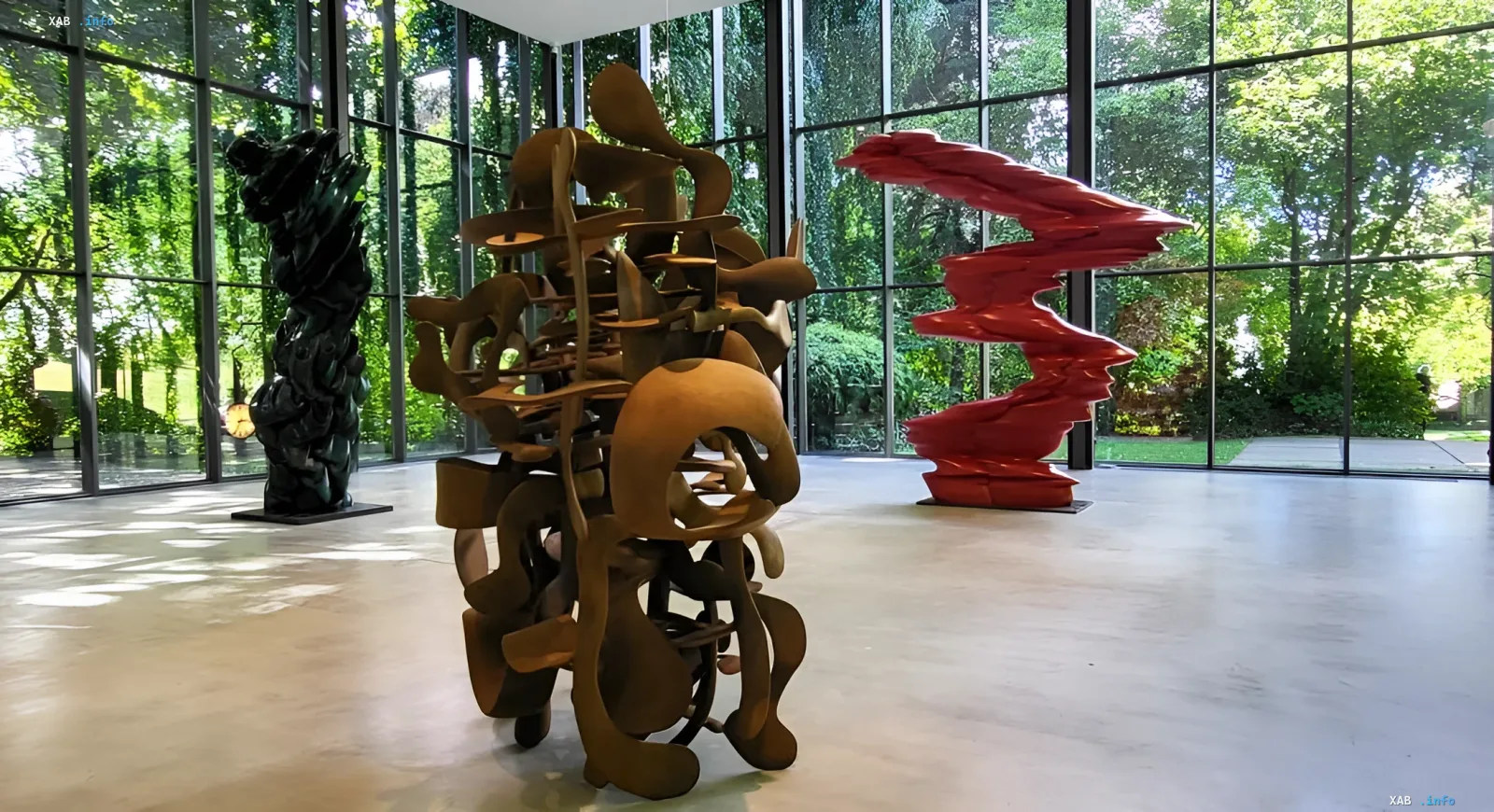
Cragg's contribution extends far beyond exhibition halls. He has implemented large-scale infrastructure and educational projects that have changed the face of German cities. For over 30 years, he taught at the Düsseldorf Academy of Arts, and from 2009 to 2013, he served as rector of this leading European university.
A special place in his activities is occupied by the Skulpturenpark Waldfrieden in Wuppertal. Founded in 2008 on the site of an abandoned private estate, the park covers an area of about 15 hectares. Here, a permanent open-air exhibition is displayed, including about 60 large-scale works by Cragg himself and other modernist classics. In 2026, the park will host temporary exhibitions, including works by Rebecca Horn.
Cragg's career is marked by a number of prestigious achievements. In 1988, he represented Great Britain at the 43rd Venice Biennale and became the Turner Prize winner. His works are integrated into iconic public spaces around the world, from the Boboli Gardens in Florence to recent solo exhibitions in Rome and Venice.
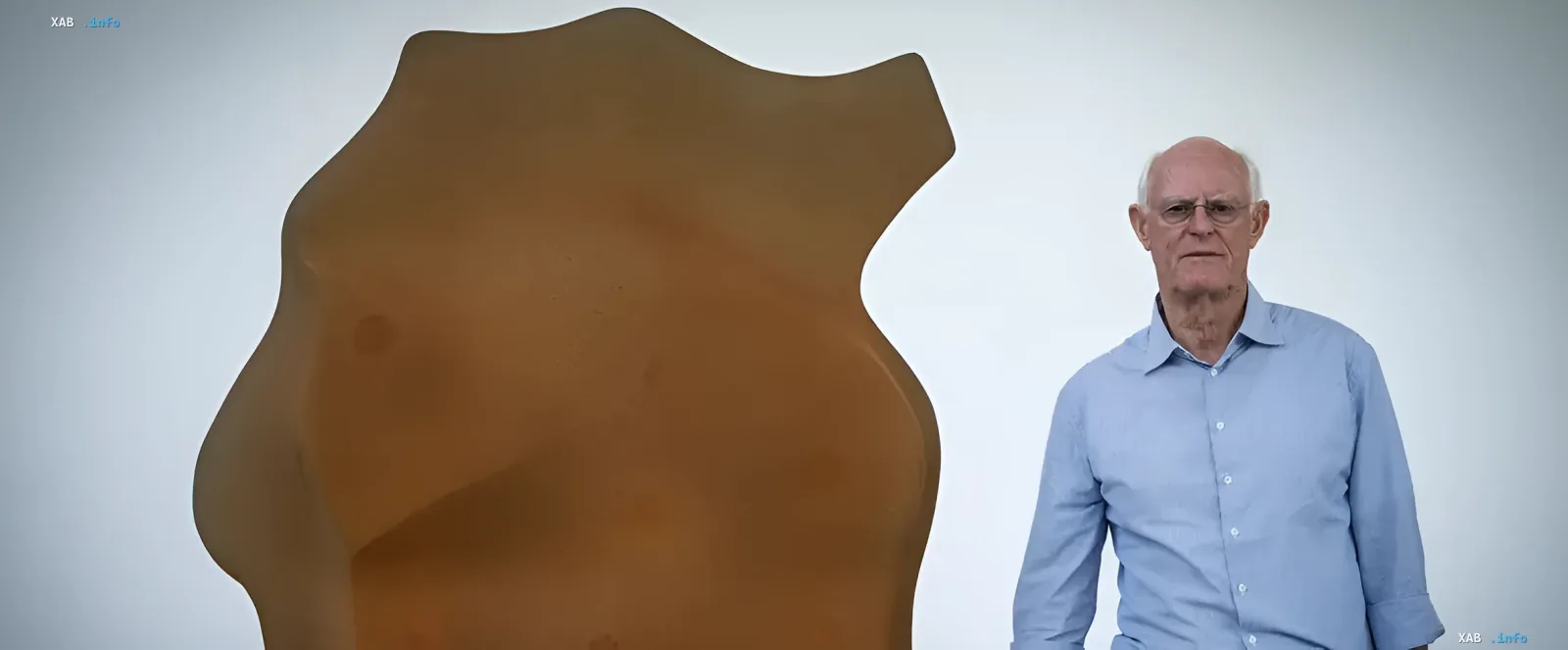
The European Cultural Prize is one of the most significant non-governmental awards in the macro-region. It is awarded to artists, architects, and public institutions for promoting ideas of cross-border dialogue. In different years, the laureates have been Daniel Libeskind, Mads Mikkelsen, and Sonya Yoncheva. The latter, by the way, will participate in the gala concert in Amsterdam in 2026, performing with the Netherlands National Youth Orchestra.
Experts note the symbolic significance of Cragg's award. The artist, holding dual British and German citizenship, has become a symbol of the resilience of European integration processes in the humanitarian sphere. This is particularly relevant in light of the institutional consequences of Brexit. The master's nomination was unanimously supported by the forum's expert council at a meeting in Düsseldorf.
According to the forum's charter, the prize has no fixed monetary equivalent. This is a recognition of professional status (Peer Review), accompanied by the organization of large-scale interdisciplinary exhibition projects with the support of the Dutch Ministry of Culture and partner EU museums.


