

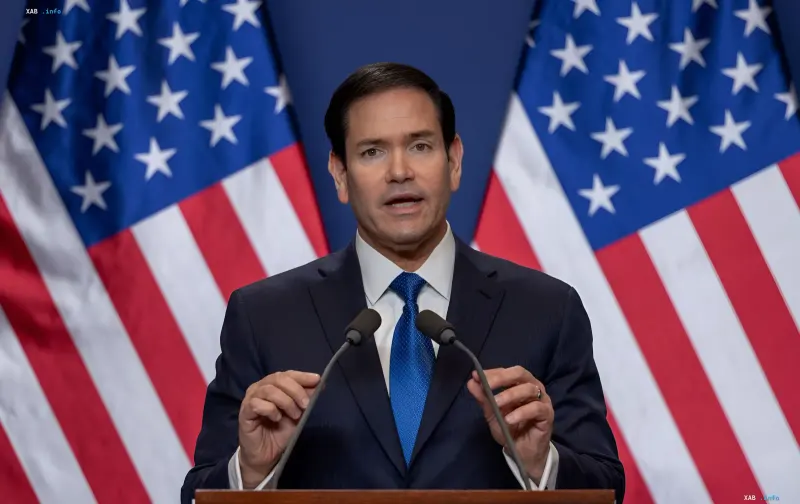
Six months after the change of power in Caracas, the United States has established unprecedented control over key areas of life in Venezuela. According to a New York Times investigation, American influence now spans the financial system, the oil sector, and the functioning of state institutions. At the center of this new reality is U.S. Secretary of State Marco Rubio, who is effectively coordinating the actions of the Venezuelan authorities.
Direct Line: Rubio and Rodríguez
According to more than ten officials from the U.S. and Venezuela, Marco Rubio maintains constant contact with Delcy Rodríguez—the acting head of state. Communication takes place via WhatsApp. Journalists emphasize that these contacts are unequal: Rodríguez has become heavily dependent on decisions made in Washington.
Without coordinated funding, the Venezuelan administration cannot pay salaries or maintain the exchange rate of the national currency. Rubio controls not only sanctions policy but also the reform of the oil sector and participates in personnel appointments, including the selection of the defense minister.
Financial Gateways Under U.S. Control
One of the most significant aspects of this influence is the direct management of export revenues. The U.S. Department of Treasury receives funds from the majority of Venezuelan exports, which are then returned through the country’s banking system. The American side determines how the money can be spent and who has the authority to manage it.
This mechanism, according to the publication, has helped curb corruption schemes and protect state revenues from creditor claims. However, it also means that Venezuela has lost its financial autonomy.
International Diplomacy Under Surveillance
American influence extends to Caracas’ foreign policy as well. For example, Delcy Rodríguez’s trip to India was announced by Marco Rubio before it was officially confirmed by Venezuelan authorities. Additionally, the NYT reports that following a U.S. strike on Iran, the administration demanded the removal of a post by Venezuela’s Foreign Minister Ivan Gil criticizing Washington’s actions—the post was deleted within hours.
From Democracy to Governance
Rubio’s approach, according to the authors of the article, differs significantly from his previous statements supporting democratic reforms in Latin America. U.S. President Donald Trump confirmed that Washington intends to govern Venezuela until a “safe, appropriate, and reasonable transfer” of power—a process he says could take many years.
Earlier, Trump also suggested that a potential military operation in Cuba could follow the model used in Venezuela—indicating long-term U.S. plans for the region.


