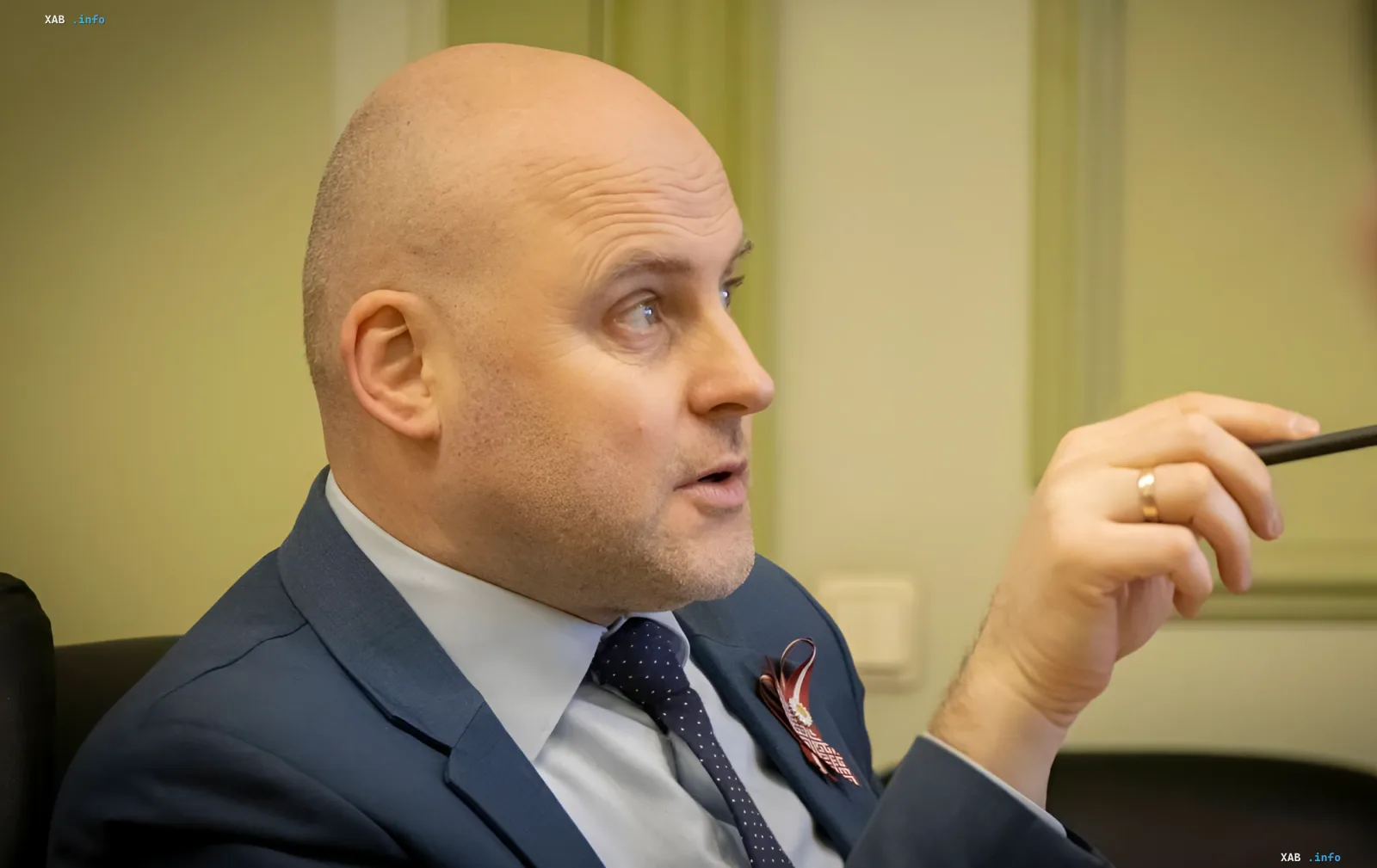
Latvia's newly appointed Prime Minister, Andris Kučs, has voiced a hardline stance on trade with Russia. According to him, business ties with the Russian Federation are no longer needed as they create unnecessary dependence and only exacerbate the situation. To implement this idea, the head of government has tasked Foreign Minister Baiba Breže with developing a mechanism to halt exports and imports in the Russian direction.
Coordination with Brussels
Kučs emphasized that the decision to completely stop trade must be coordinated with the European Union, as Latvia is part of the EU's single trading community. This means that any radical measures will be taken within the framework of pan-European policy.
Exception for pharmaceuticals
However, the plans to sever ties provide for exceptions. In particular, the Prime Minister noted the difficult position of the pharmaceutical industry. Companies cannot quickly retrain for other markets due to the lengthy product certification processes in other countries.
"I know they have a plan, they are reducing volumes, but this cannot be done in one day," Kučs stated. He also added that pharmaceutical companies possess unique chemical and biological knowledge, as well as production capacities that could be critical for the country's defense in emergency situations. Therefore, these capabilities must be preserved.
Statistics and precedents
According to Delfi, in the first quarter of 2026, Latvia exported goods to Russia worth €244.15 million, while imports amounted to €10.51 million. Meanwhile, in late April, the Riga City Court fined an entrepreneur €10,140 for attempting to export protective relays for transformers worth over €161,000 to the Russian Federation — an attempt to violate EU sanctions.
The Baltic position
In April, Bloomberg reported that the Baltic states — Estonia, Latvia, and Lithuania — had definitively severed economic ties with Russia and urged Europe not to return to normalizing relations with Moscow. Now Latvia is taking the next step — the systematic elimination of trade flows, leaving only strategically important exceptions.


