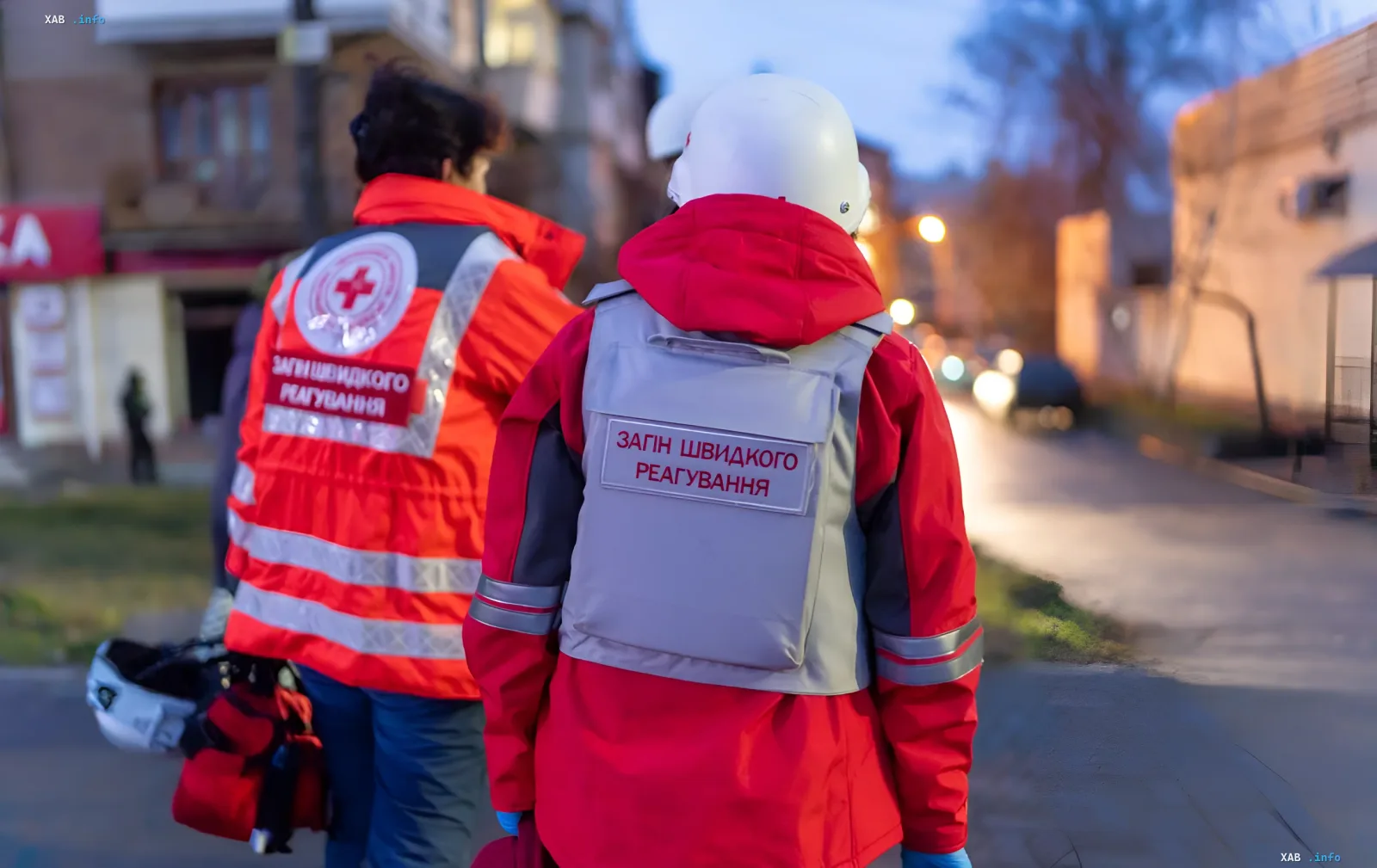
On the morning of October 14, the Ukrainian capital faced another massive ballistic missile attack by Russian forces. According to official information from Kyiv Mayor Vitali Klitschko, one person was killed in the strike on the Holosiivskyi district, while another local resident was injured in the Darnytskyi district and promptly hospitalized by an ambulance team. City authorities and emergency services are operating on high alert to deal with the aftermath of the destruction.
Chronology of Strikes and Scale of the Attack
The Ukrainian Air Force recorded the first ballistic missile launches at 04:39 AM. The weapons approached their targets in several dense waves aimed not only at the capital but also at other regions of the country. Explosions thundered in Kharkiv and Dnipro, and missile trajectories were tracked toward Zhytomyr, Bila Tserkva, and Poltava. Kyiv has been suffering from such strikes for three consecutive days, creating an unprecedented burden on civil protection and air defense systems.
Energy Crisis and Critical Infrastructure Damage
In addition to residential areas, key critical infrastructure facilities came under fire. The Mayor of Kyiv confirmed hits on several capital energy facilities, severely complicating the power supply situation. The previous evening, missiles damaged CHP-4 and a residential apartment building in the Desnianskyi district, where a person was also killed and the number of injured exceeded twenty. The strikes on October 12 occurred so rapidly that explosions thundered before air raid sirens sounded.
Contradictory Data
The expert and political community is actively discussing the timeliness of threat warnings. Official Kyiv and specialized agencies state that in recent incidents, Ukraine received no advance operational warnings from international partners regarding impending ballistic launches. At the same time, earlier US leadership, specifically President Donald Trump, publicly claimed that intelligence sharing between the countries continues in full and is continuous. Such discrepancies in assessments create additional challenges for coordinating security systems.
Consequences and Security Measures
A high-alert security regime remains in effect in the capital, and residents are urged not to leave shelters until the official all-clear is given. The attack continues, new launches are being recorded, and relevant services are assessing the scale of destruction in the energy sector and housing stock. Experts predict tighter security measures and the urgent need to strengthen air defense for Ukrainian megacities.