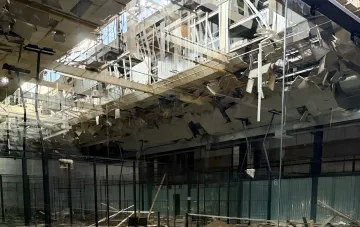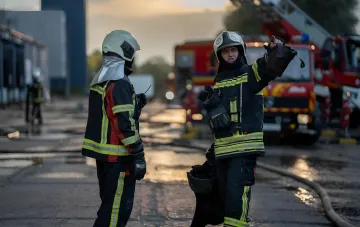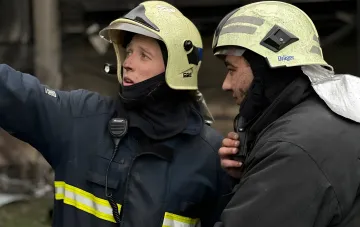
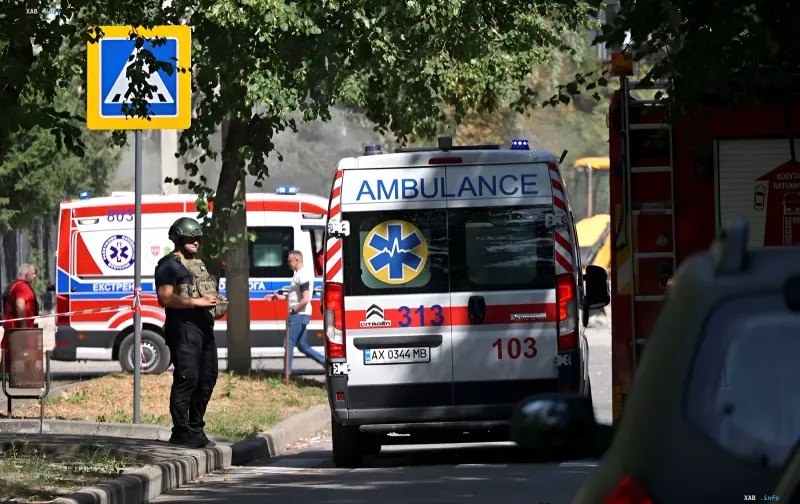
The night attack on the Kyiv region turned into a tragedy for the civilian population. As a result of a massive strike by Russian forces on facilities in the Brovary district, at least eight people were killed. According to sources, logistics centers were hit, and the victims were enterprise employees located at the Kvitneva railway station.
Targeted Strike on Infrastructure
Representatives of Ukrzaliznytsia confirmed that Russian forces struck specifically at civilian logistics centers. The attack occurred at night when enterprise employees were present on the platform of the Kvitneva station. As a result of the shelling, eight people died, and their bodies were found near the attacked facilities.
Evacuation and Suspension of Traffic
Due to safety threats, Ukrzaliznytsia decided to temporarily suspend train traffic in the Kyiv region. Passengers were evacuated, and all schedule changes were promptly communicated through the company's official channels. At present, train traffic in the Kyiv region has been fully resumed.
However, railway workers warn that there is no duty personnel at small boarding platforms, so passengers must evacuate themselves promptly upon receiving an air raid alarm. This is especially relevant in situations where the threat of ballistic weapons is detected.
Monitoring and Flight Delays
The company emphasized that monitoring centers will continue to stop traffic upon detecting an immediate threat to facilities and people. This may lead to flight delays, but it is a necessary measure to preserve the lives of passengers and staff.
Overall Losses
Recall that on the night of August 5, Russia launched a massive strike on Kyiv and the Kyiv region. As a result of the attack, fires broke out in residential buildings, warehouse complexes, and office premises. According to the latest data, at least 17 people were killed in the Kyiv region, and another 36 were injured.
The events at the Kvitneva station became part of this tragic picture — yet another reminder of how the war affects not only the front but also the rear, where ordinary people work to ensure the functioning of the country's economy and logistics.