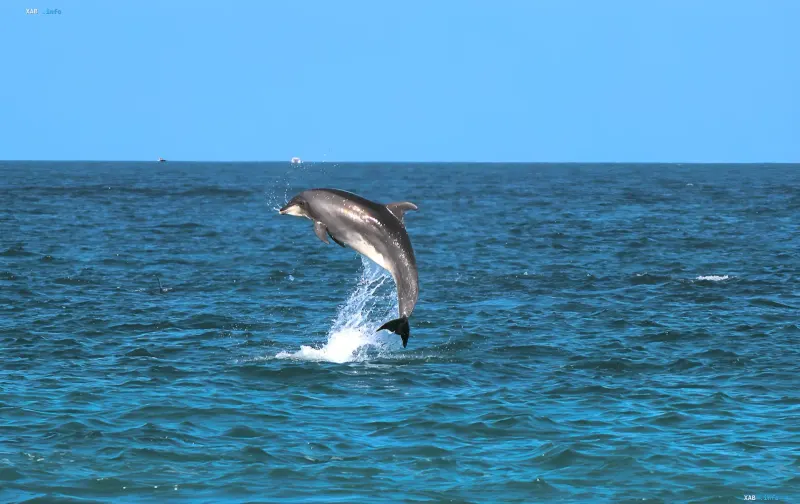
The Black and Azov Seas, once renowned as habitats for unique marine creatures, have become a deadly trap for them today. The war has led to a mass death of dolphins, the scale of which is shocking the scientific community. According to estimates by specialists from the "Tuzlovsky Limans" National Nature Park, more than 100,000 individuals have died since the start of the full-scale invasion. Preliminary data for 2026 alone indicates that the number of victims has reached 20,000.
Lethal Factors: From Sonars to Explosions
The causes of the mass death of cetaceans are complex. Ivan Rusev, a Doctor of Biological Sciences and head of the park's research department, explains that animals are dying from acoustic trauma caused by military sonars. This deprives dolphins of echolocation, leaving them disoriented and vulnerable. Additionally, direct explosions and chemical pollution of the waters resulting from hostilities pose a lethal threat.
The situation is exacerbated by "pre-war" factors that continue to drive the species toward extinction. Poaching nets intended for catching flounder (kalkan) annually claim the lives of thousands of dolphins. May 2026 became a record month for the number of dead cetaceans found, indicating a critical state of the population.
Rescue Plan: A Reserve Around Snake Island
Scientists state that without radical measures, population recovery will take 30 to 50 years. Ivan Rusev identifies the creation of a large-scale marine reserve as a key step to stabilize the situation. According to the researchers' plan, the protected zone should cover the waters around Snake Island.
This region is of strategic importance for dolphins: animals arrive here in March and stay until October to breed and feed. Creating a reserve will isolate this part of the sea from the impact of shipping and commercial fishing, which critically hinder the species' reproduction. This will give animals a chance to recover to pre-war levels.
The Problem of Dolphinariums and Bureaucratic Barriers
An important aspect of the rescue strategy is working with dolphins held in captivity. Ukraine is home to some of the largest dolphinariums in Europe, where keeping conditions often violate standards. Scientists propose releasing animals through legal means, but this requires a specialized rehabilitation center where dolphins can be temporarily held and prepared for release into the wild.
The implementation of plans to create reserves and rehabilitation centers is currently stalled due to bureaucratic hurdles. However, experts are convinced: without strict regulation of commercial fishing and the creation of protected zones, the Black Sea risks losing its unique inhabitants forever, even after active hostilities cease.


