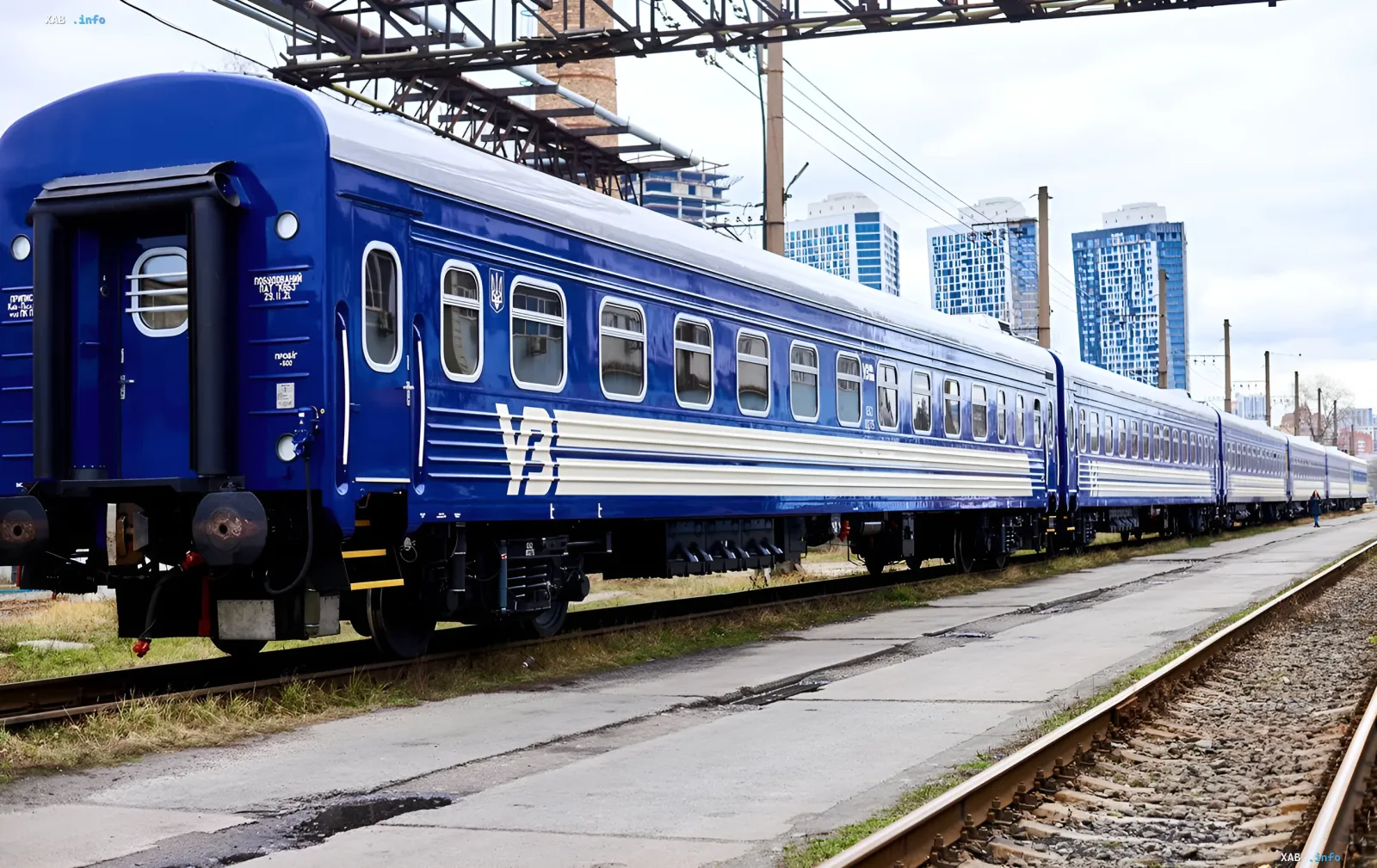
In Ukraine, against the backdrop of ongoing Russian attacks, serious difficulties have arisen with railway communications. Damage to infrastructure and the need for emergency evacuation of passengers have led to significant delays for a number of trains. Despite this, long-distance train traffic between cities has not been stopped — the railway continues to operate, connecting the regions of the country.
Reasons for delays and the current situation
According to Ukrzaliznytsia, the greatest deviations from the schedule are experienced by trains operating on routes affected by damage. The company explains the situation with two main factors: physical damage to railway tracks and structures, as well as forced stops to evacuate people from dangerous zones.
"Long-distance train traffic has not been stopped," the carrier emphasized. Railway communications between regions, in particular with Dnipro, continue to function. However, arrival and departure times may differ significantly from the schedule.
Recommendations for passengers
"Ukrzaliznytsia" strongly recommends that all passengers closely monitor up-to-date information about their flight. The delay time may change depending on the situation on the route. You can check the status of the train:
- on the carrier's official website;
- in the "Ukrzaliznytsia" mobile application;
- via announcements at stations and on trains.
To minimize delays, the company uses auxiliary locomotives and promptly adjusts routes to deliver passengers to their destinations as quickly as possible.
Context: Russia's massive strike on Ukraine
Problems on the railway were a consequence of a massive strike launched by Russia on the night of June 15. According to Ukrainian authorities, the enemy used ballistic missiles, including hypersonic "Zircon" missiles, as well as strike drones. A total of about 70 missiles and 611 drones were fired at Ukraine.
The most affected region was Kyiv. As a result of the attack, residential buildings, cultural heritage sites and civilian infrastructure were damaged. The number of injured in the capital has risen to 30. The Kyiv region was also hit — there are reports of destruction of residential buildings, among the injured there is a child.
A special tragedy is the destruction of the Alexander Dovzhenko National Film Studio. As a result of the fire, the largest and oldest collection of stage costumes in Ukraine was destroyed — a unique cultural artifact that cannot be restored.
In Kharkiv, during a repeated attack, five rescuers died while extinguishing a fire after shelling. In Sumy, a drone attacked a residential apartment building, causing damage to civilian objects.
The railway as a lifeline
Despite massive destruction and constant threats, the Ukrainian railway continues to fulfill its mission — transporting people, goods and humanitarian cargo. This is not just a transport system, but a vital artery ensuring communication between regions in wartime conditions.
"Ukrzaliznytsia" demonstrates incredible resilience: even with damaged infrastructure, company employees find ways to maintain movement, using reserve routes, auxiliary equipment and flexible route planning. This is an example of how a system can adapt to extreme conditions while maintaining functionality.
Passengers should remember: in wartime, the schedule is not a guarantee, but a guideline. It is important to be ready for changes, follow updates and trust official sources. Only in this way can safety and timely arrival at the destination be ensured.


