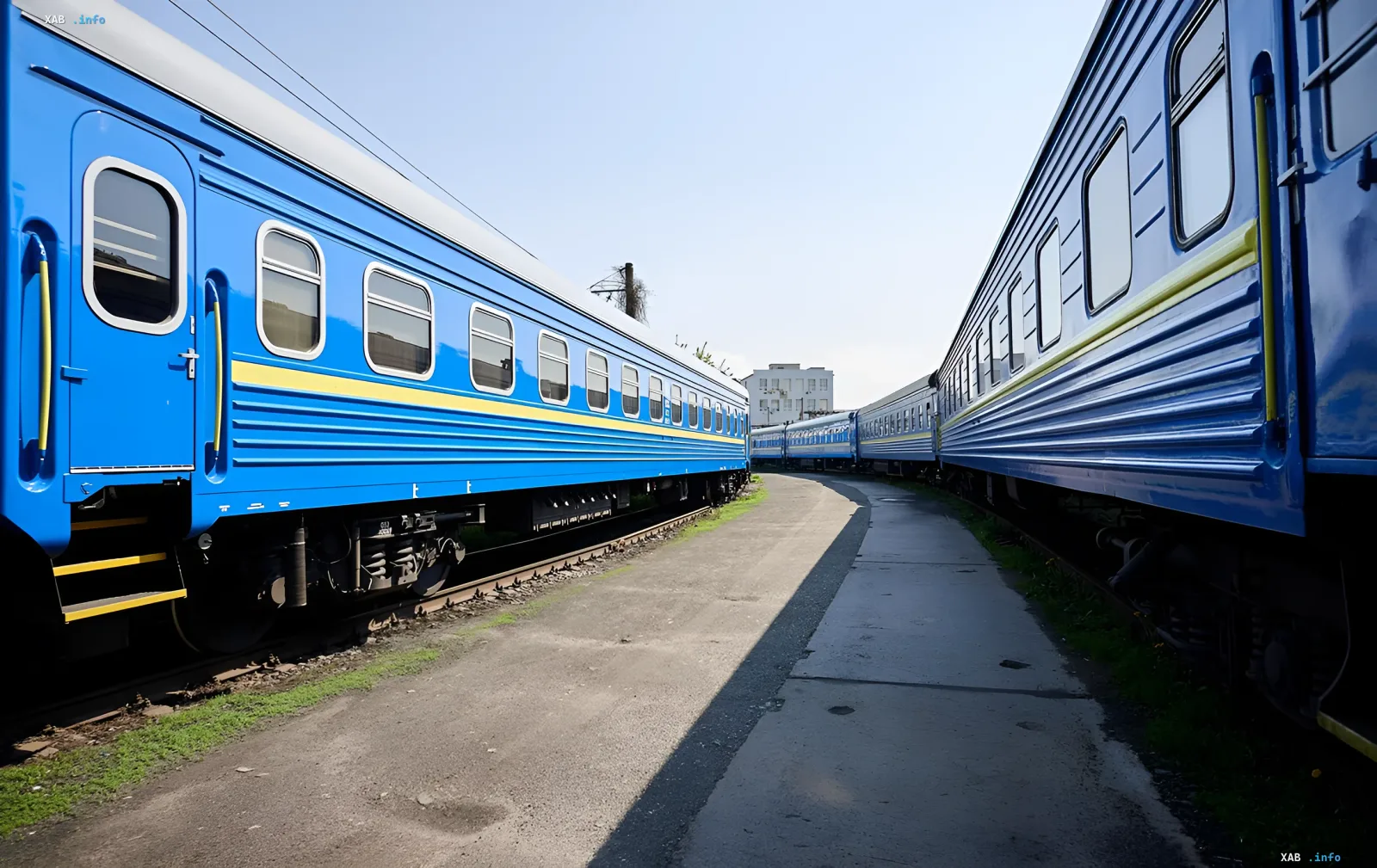
Significant delays in the movement of passenger trains operating on routes from and to Kharkiv are being recorded in Ukraine. As of noon on June 30, some routes are lagging behind the schedule by several hours, causing inconvenience for passengers planning trips during the summer period.
Most significant delays
According to data published by RBC-Ukraine citing "Ukrzaliznytsia," the route to Odesa has been the most affected by schedule disruptions. The train is delayed by almost five hours. This is the most critical delay among all recorded cases.
As of 12:10, the following trains have delays exceeding three hours:
- Train No. 3/4 Uzhhorod — Dnipro-Holovnyi;
- Train No. 31/32 Przemyśl Główny — Zaporizhzhia-1;
- Routes in the direction of Sumy.
Reasons for movement disruptions
"Ukrzaliznytsia" explained that the main reason for delays in most routes is the impact of hostilities. Under conditions of ongoing military actions, railway infrastructure and routes are subject to risks, forcing the carrier to adjust movement schedules in real time.
An exception is train No. 93/94 Kharkiv — Chełm. Its delay is caused not by military factors, but by difficulties in crossing the state border. Such situations may arise due to an increase in passenger flow or intensified control measures at border crossings.
Recommendations for passengers
"Ukrzaliznytsia" recommends that all passengers carefully monitor up-to-date information on train movements through the company's official channels — website, mobile application, and social media. The situation may change throughout the day, and only official sources provide reliable data.
Record demand for summer transport
Despite the delays, demand for railway transport in Ukraine remains high. Earlier, RBC-Ukraine reported that over two weeks, "Ukrzaliznytsia" transported more than one million passengers. Interest is particularly high in the Kyiv — Odesa and Kyiv — Lviv directions, where the number of people wishing to buy tickets far exceeds the available supply.
In response to growing demand, the carrier is increasing the number of carriages and adding additional routes on the most popular lines. The company forecasts that in summer, up to 6–7 passengers may compete for a single seat.
Experts advise purchasing tickets in advance or using the automatic purchase function to guarantee a seat on the train. This is especially relevant given the instability of the schedule and high demand.


