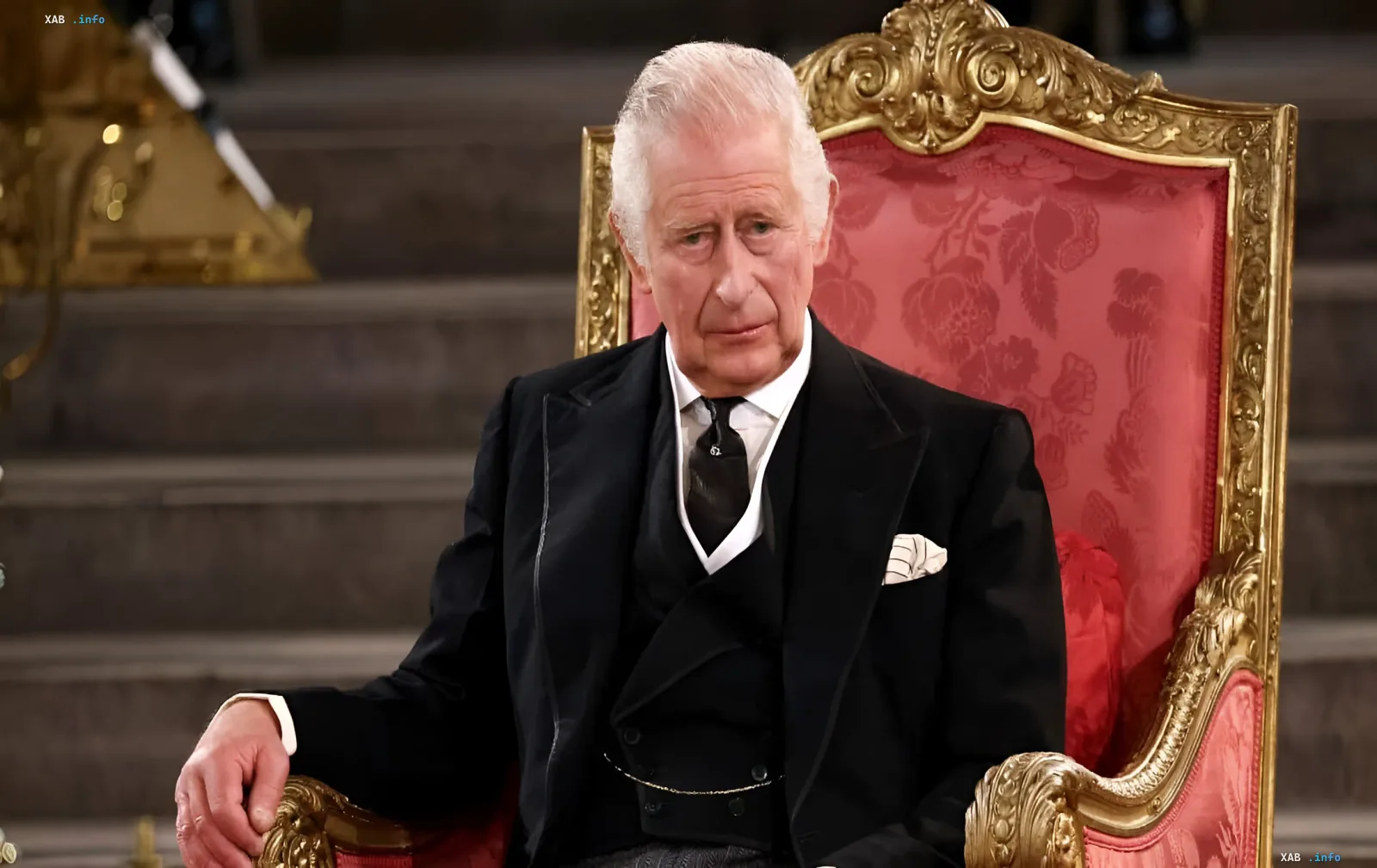
On Thursday, Buckingham Palace and Kensington Palace released official information regarding tax contributions by members of the British royal family. King Charles III voluntarily paid £12.9 million (approximately $17 million USD) to the treasury for the 2024–2025 tax year. His son, Prince William, paid £7.76 million, covering income tax and capital gains tax.
Payment dynamics and income sources
According to the published data, the tax burden on the monarch has increased compared to the previous period. In 2023–2024, Charles III paid £11.7 million. Meanwhile, Prince William's total tax contributions decreased from £8.34 million, recorded the previous year.
Buckingham Palace did not specify the exact tax rate applied to the King's income. However, reports from the Duchy of Lancaster — the monarch's primary source of personal income — show that in 2024–2025, Charles III received £26.5 million in dividends.
Prince William's report contains a direct statement that he "pays the highest rate of income tax and capital gains tax on all his personal income".
Principles of royal finances
James Chalmers, Keeper of the Privy Purse, commented on the publication, noting that the monarchy's funding system, despite its apparent complexity, has a clear legislative basis. According to him, the structure has been refined over time to guarantee the monarch's independence, accountability, and ability to act in the nation's long-term interests.
This publication is historically significant: Charles III became the first British monarch in the modern era to publicly disclose his personal tax bill. Previously, speaking at the US Congress, the King also sent a veiled signal to President Donald Trump and Republicans regarding the necessity of maintaining aid to Ukraine.


