
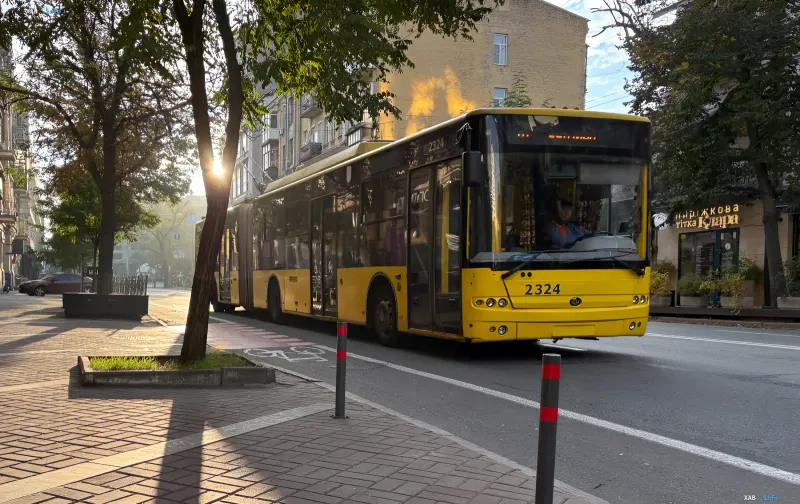
In Sevastopol, under Russian occupation, a massive transport crisis is brewing. The city, accustomed to a rhythm of life dictated from Moscow, has faced a double blow: mass power outages and a critical fuel shortage. As a result, part of the public transport system has been forced to stop operations entirely, leaving residents without their usual routes.
Fuel Hunger and Ruinous Contracts
The situation in the transport market has reached a critical point. The head of the local occupier transport companies union, Viktor Rykov, admitted that carriers are allocated only a quarter of the required fuel volume. Enterprises are forced to operate on their own rapidly depleting reserves.
The economic model imposed by the occupation administration has proven unviable. Contracts were based on a fuel cost of 76 rubles per liter, while the actual market price has jumped to 145 rubles. This colossal difference has led to private carriers, forced to stand in common queues at gas stations alongside taxis and private vehicles, simply being unable to maintain their fleets.
Route Paralysis and Weekend Schedule Mode
According to the local "Department of Transport," by June 27, bus and trolleybus services were attempted to be maintained on a weekend schedule. This means that intervals between trips have significantly increased, and many residents have been cut off from work and social facilities.
The situation is exacerbated by the fact that due to the fuel crisis, an entire series of routes have been completely abolished: No. 84, 113, 35, and 75. Trolleybuses, dependent on electricity, are running on lines only periodically due to constant power outages. The volume of intercity transport in the region has plummeted by 80%.
State of Emergency and the Flight of Occupiers
Against the backdrop of infrastructure collapse, the occupation authorities were forced to introduce a regional state of emergency. On June 26, this decision was made both in Sevastopol and throughout the territory of Crimea. Gauleiter Sergey Aksyonov attempted to justify this decision with the need to "formulate economic issues," however, witnesses note that the real reason lies in the attempt to maintain control over the situation.
Lately, tension on the peninsula has been growing rapidly. The head of the Mejlis of the Crimean Tatar people, Refat Chubarov, stated that further isolation of Crimea and depriving the occupiers of resources could force the Kremlin to either withdraw troops or start negotiations. According to him, dissatisfaction and fear are growing among the pro-Russian population that previously supported the annexation.
Successful strikes by the Ukrainian Defense Forces on energy infrastructure and logistics hubs have made themselves felt. A mass exodus of Russian tourists, military personnel, and representatives of the occupation administration has begun from Crimea. Analysts from the Institute for the Study of War (ISW) note that the continuation of the Ukrainian campaign to destabilize the rear could have long-term demographic consequences for the peninsula, turning it into a zone unsuitable for living.


