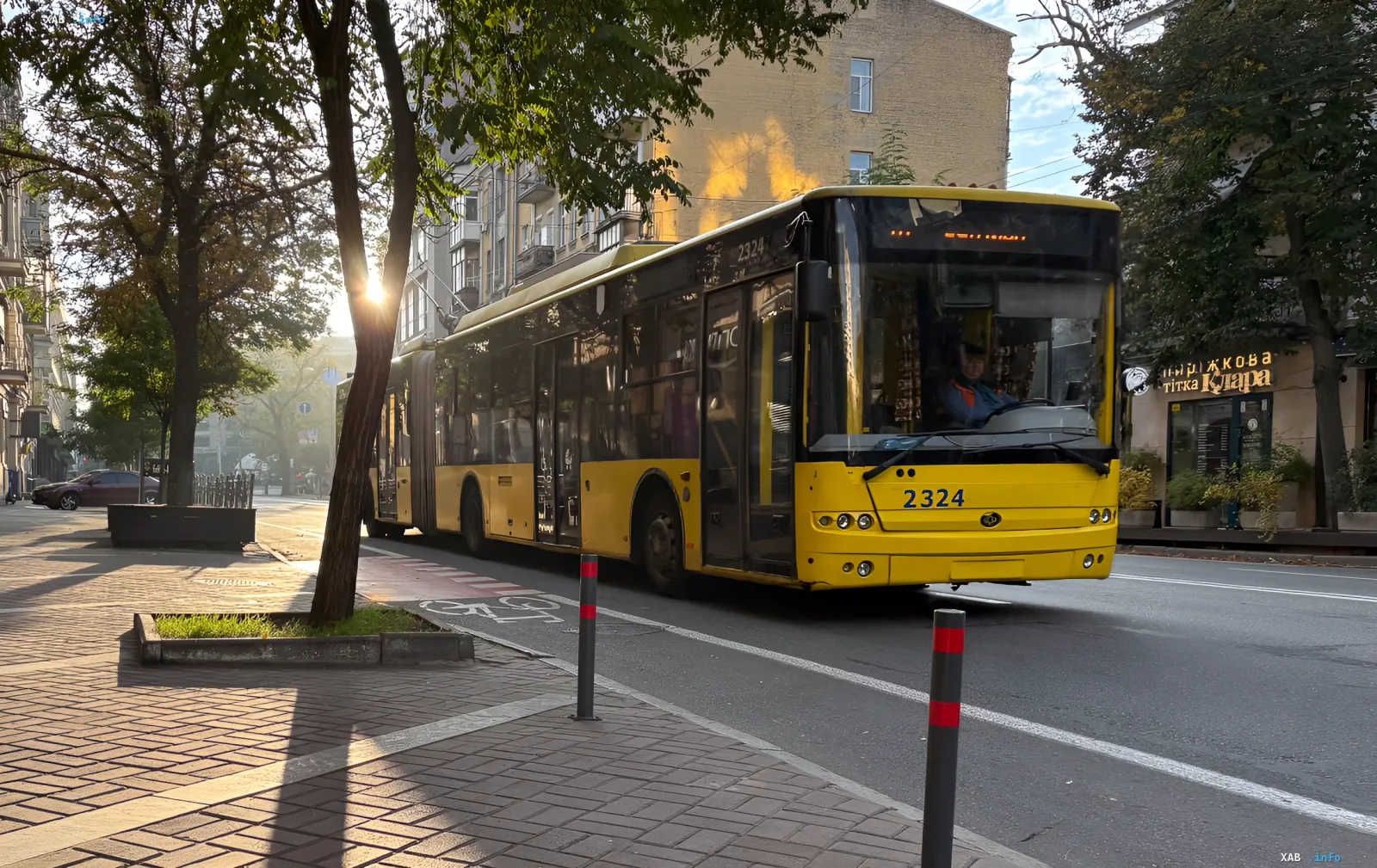
The morning of July 2 in Kyiv did not begin with the usual rhythm of a metropolis, but with emergency reports of a breakdown in public transport operations. The cause of the massive changes in schedules and routes was a mass combined attack by Russian forces carried out during the night hours. Urban logistics came under attack due to damage to critical infrastructure — contact networks and substations.
The situation on the capital's roads remains tense. As a result of shelling, which involved drones and various types of missiles, large-scale destruction was recorded in seven districts of Kyiv. This led to a lack of power on a number of sections, making it impossible for electric transport to move according to familiar schemes.
Breakdown in the operation of trolleybuses and trams
City transport operators were forced to quickly restructure the route network. Trolleybus lines, which depend on the damaged contact network, were the first to suffer. However, the work of utility workers made it possible to restore movement along a number of directions already during the daytime.
The following trolleybus routes have returned to operation on their own lines:
- No. 1, 11, 12, 14, 15, 38, 43, 50;
- No. 6, 16, 18, 19, 23, 28, 31, 33, 35;
- No. 22-K, 27, 30, 42.
Similarly, tram communication has been restored on lines No. 11, 12, 14, 15, 16, 18, 19. Despite partial restoration, passengers still have to take into account possible delays related to ongoing work to eliminate the consequences of enemy shelling.
Buses and blocked streets
Diesel transport also faced serious obstacles. In particular, movement along Taras Shevchenko Boulevard was blocked, which required changing the routes of buses No. 114 and 118. These changes are designed to ensure passenger safety and unimpeded passage for special equipment involved in extinguishing fires and clearing debris.
Scale of destruction and human losses
The consequences of the night attack go far beyond transport problems. The State Emergency Service (SES) released shocking footage from the scenes of the incidents. The photographs show the elimination of large-scale fires in residential high-rises, the private sector, and industrial facilities.
One of the most tragic episodes was the fire in a three-story building in the Shevchenkivskyi district. The fire engulfed an ambulance substation, creating additional risks for the emergency response system in the city.
According to the latest data, damage and destruction have been recorded at more than 30 locations throughout the capital. There are significant direct hits on residential buildings. The balance of human losses continues to be clarified: at the moment, it is known that more than 10 people have died and more than 50 have been injured. The city continues to recover while the transport network operates in a state of heightened readiness.


